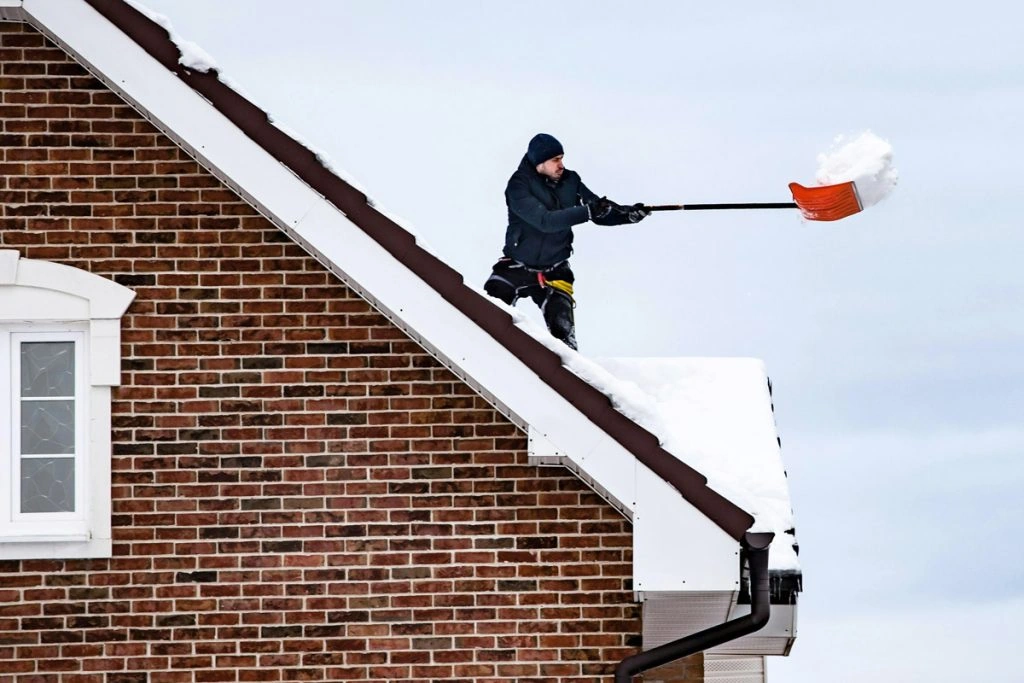
Winter squalls, heavy rain and snow can swiftly harm andruin your home. Severe weather brings flash flooding and widespread power disruptions, and some seasons it can feel never-ending.
If a storm is approaching, you’ll want to make sure your residence can withstand the elements. Fortifying your home against storms doesn’t always require big spending. Below are budget-friendly strategies to safeguard your house and grounds.
Here are 19 low-cost or free methods to make your home more storm-resistant.
1. Protect Your Home With Insurance
Home insurance may not be cheap, but it’s an effective shield against costly losses down the road. Look into our roundup of top homeowners insurance. Keep current photos of your property so you can document damaged items if you need to file a claim.
2. Know Your Home’s Risk for Flooding
Prevention is the best approach. That’s especially true when guarding your home against storms and flooding. Start by evaluating your property’s flood risk in heavy rain, hurricanes and other disasters. Visit the Federal Emergency Management Agency’s Know Your Risk webpage to learn about your area.
3. Store Unsecured Outdoor Items
If a storm is imminent, particularly one with strong winds, make sure outdoor items are secured or stored away. Patio furniture, umbrellas, potted plants and yard ornaments can become hazardous projectiles in gusty weather. Before the storm hits, bring these items indoors or fasten them down firmly.
4. Cut Down and Remove Tree Branches
Trees can be perilous during high winds. Reduce the chance of property damage by trimming loose or weak branches before a storm arrives.
You don’t need an expensive landscaping crew; grab your pruning shears and inspect your yard, cutting any sagging or damaged limbs. This preventative chore can stop trees from causing major harm to your home.
5. Caulk Cracks in Your Foundation
Help keep your basement dry by sealing visible cracks in your foundation.Caulkis an affordable way to close joints and fissures; you can find it at any hardware store (or via our Amazon link). Grab an economical tube of caulk and run it along any gaps you see in the basement walls. This simple step can stop water from infiltrating and damaging your home’s structure or belongings.
6. Install a Sump Pump in Your Basement
Although sump pumps can seem pricey, you can buy budget-friendly models — some cost under $50. A sump pump moves water from one place to another and is useful in basements to evacuate any water that leaks in during heavy rains. While a pump doesn’t prevent leaks, it’s a strong defense against flooding.
7. Raise Condensers, Heat Pumps and Other Equipment
Many key systems, like condensers, heat pumps and meters, are located low to the ground. Elevate these appliances a few inches or feet to protect them from flood damage. There are numerous inexpensive DIY ways to raise equipment, and doing so promptly gives you added protection if water enters your basement.
8. Build Up Sunken Areas and Channel Water Away
Grab a shovel and get to work. One free DIY approach to reduce storm harm is to level any depressed spots on your land and dig shallow channels that divert water away from the house. It takes some labor, but creating proper slopes and pathways for runoff helps ensure water flows away instead of toward your foundation.
9. Install a Rain Barrel for Your Gutters
Putting rain barrels at the ends of your downspouts is a smart way to collect water for garden use and to keep rain from pooling around your home. Captured water won’t be soaking your yard. Rain barrels can be fashioned from everyday items like outdoor bins, or you can purchase one from a hardware store.
10. Wrap Towels Around Your Home’s Pipes
When the temperature plunges, make sure your pipes won’t freeze and burst. Hardware stores sellfoam pipe insulation, but if you don’t have time to buy it before a big winter storm, wrapping pipes with towels in cold spots like the basement can help prevent freezing and subsequent water damage.
11. Clean Your Gutters and Drains
Maintaining clear gutters is essential to avoid flooding and harm. Gutters channel roof runoff away from your house; if clogged, water spills over and soaks the foundation perimeter, potentially leading to interior flooding. Clogged gutters also collect extra weight from leaves and debris, which can cause them to sag or break.
12. Create Sandbags To Protect Against Flooding
There are pricier commercial flood barriers, but a time-tested solution is sandbags. Before a storm, place sand-filled bags around vulnerable spots like doors and basement windows to keep water out. Sandbags are inexpensive to buy, or try asking a local construction firm for leftover sand that you can fill into strong bags.
13. Opt for Natural Green Spaces Instead of Concrete
When planning new areas on your property, choose green, permeable surfaces rather than hard materials like concrete or asphalt. Lawns and plantings soak up water instead of producing runoff that can flood your yard. Use a pickaxe or rent an affordable jackhammer to remove paved areas and convert them to environmentally friendly green space.
14. Install Inexpensive Backflow Valves
This tip depends on your plumbing comfort level. Backflow valves can be attached to your plumbing so water only moves one way. If you can do basic plumbing, you can install these low-cost valves where water typically exits the house. They prevent sewage or floodwater from backing up into sinks, tubs and toilets.
15. Install a Cheap Flood Alert Sensor
Not all flooding comes from rain — burst pipes and stopped-up drains can also flood your home.Flood sensorsare inexpensive electronic devices that sit under sinks, near boilers or in flood-prone basement spots. If water is detected, they warn you of a problem before major damage happens. These sensors are inexpensive and can save you hundreds or thousands in repairs.
16. Prepare for Electrical Storms
Electrical storms are dangerous and can inflict severe damage on your home and electronics. Before a big lightning storm, unplug devices — turning them off isn’t sufficient. If you’ll be away, shut off power at the breaker. Keep valuable electronics plugged into surge protectors year-round.
17. Board Your Windows With Plywood
If a hurricane or severe windstorm is coming, take steps to protect your windows. Storm shutters work well but can be costly. An economical substitute is to board up windows with plywood. Buy plywood at a lumber yard, and look for scrap pieces that may be sold at a discount to keep costs down.
18. Secure Heavy Mirrors and Pictures
If high winds are shaking your house, remove or firmly secure heavy mirrors and framed artwork. Vibration can loosen items, causing them to fall and damage property or people. When hanging items, anchor into studs or use thecorrect wall anchors, available at hardware stores for just pennies.
19. Download Free News and Weather Apps
Finally, staying informed matters. Install free news and weather apps from Apple’s App Store for iOS or the Google Play Store for Android. We suggest a weather-focused app like The Weather Channel (Apple/Android) to track approaching storms. Local news apps also give region-specific updates and preparedness guidance.
Frequently Asked Questions (FAQ)
How you prepare varies by the kind of storm, but broadly there are a few universal steps. Know your home’s storm and flood vulnerabilities. During storms, secure outdoor items, trim tree limbs and elevate valuables off the floor.
The five Ps of preparedness are a helpful checklist to ensure you can shelter safely and meet essential needs. The five Ps include:
- People and pets:Account for everyone in your household.
- Prescriptions:Keep a sufficient supply of medications and necessary equipment.
- Papers:Store vital documents in a safe, protected place.
- Personal needs:Have enough clothing, food, water and cash on hand.
- Priceless:Safeguard irreplaceable items like photographs and keepsakes.
Experts at theNational Hurricane Survival Initiativerecommend six basic categories of supplies to have at home when preparing for a storm. They are:
- Water
- Food
- First aid supplies
- Clothing and bedding
- Tools and emergency supplies
- Special items
“Special items” cover needs for family members with particular requirements, such as infants or elderly relatives. Also consider non-electric entertainment to occupy adults and kids during prolonged outages.
Michael Carter is a senior contributor at Savinly who focuses on home safety and preparedness.