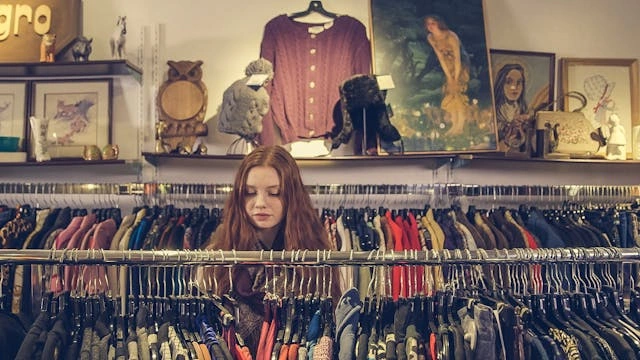
You’ve likely watched TikTok clips of creators revealing their astounding thrift-store discoveries. Designer handbags, sturdy wooden furniture, retro finds and even brand-new clothing — all can turn up at thrift shops for a fraction of retail prices.
That’s fortunate, given rising expenses as inflation nudges costs higher and import tariffs take effect. The odds of a recession are growing. If you haven’t already started, now’s a smart moment to begin exploring local thrift stores.
Thrifting may be fashionable at the moment, but it’s long been a practical money-saving habit for Savinly readers. Whether you’re new to secondhand shopping or a veteran treasure hunter, these pointers will help you maximize your savings.
Why Buying Used Is a Smart Way to Cut Costs
Thrifting delivers exceptional value, particularly when you consider long-term savings. Why shell out $75 for a new work blazer when you can pick up a perfectly fine one for $5 at a thrift shop?
From kitchen tools to books and more, pre-owned items are frequently gently used or even brand-new with tags still attached. Beyond saving money, you avoid retail markups and hold onto more cash while generating less waste.
The sustainability angle is a major benefit, but here at Savinly, we especially appreciate thrifting for the financial wins.
Where to Shop: Top Spots to Score Secondhand Deals
Locating thrift shops is as simple as searching “thrift stores near me.” Below are some places where excellent used goods often turn up.
National Chains:
Also worth checking:
- Facebook Marketplace
- Church or charity thrift shops
- Flea markets
- Estate sales
- Yard sales
- Library book sales
If you prefer shopping from home, explore online flea market listings for secondhand bargains.
What to Buy at Thrift Stores (and What to Avoid)
If you’ve spent time in a thrift shop, you know discovering treasures can require sorting through less desirable items. Not everything there is worth purchasing. You’ll find fantastic deals on quality merchandise, but there’s plenty that’s better left behind.
Here are quick lists of recommended finds and items to skip.
Great Finds
- Everyday, work and occasion clothing
- Solid wood furniture and home accents
- Cookware, utensils and small kitchen appliances
- Books, DVDs and vinyl records
- Toys, board games and puzzles
- Craft and sewing materials
- Brand-name and vintage apparel
- Sealed beauty products
- Old-school electronics like cassette decks and turntables
- Designer pieces such as purses or footwear
What to Avoid
- Used helmets or other safety equipment
- Mattresses and upholstered items with unknown backgrounds
- Electronics you can’t test in the store
- Anything with mold, heavy rust or strong odors
How to Spot Quality (and Dodge Junk)
When thrifting, prioritizing quality pays off. You want items that will endure. Use this fast checklist while browsing:
- Clothing: Seek solid stitching, natural fabrics and recognizable labels.
- Shoes: Inspect soles for wear and check insoles for comfort and support.
- Furniture: Sniff for mold, examine joints and legs, and avoid wobbly pieces.
- Electronics: Plug in and test when possible; steer clear of frayed cords.
- Books and media: Look for missing pages or heavily scratched discs.
Remember, quality doesn’t require perfection. If you’re handy, small repairs (like refinishing wood or sewing a loose seam) can transform a project piece into a valuable find.
How to Thrift for Specific Needs
Whether you’re preparing for a wedding, need attire for a conference, your coffee table leg finally gave out, or you’re gathering supplies for a new hobby, thrift stores are a smart first stop. Use these tips to help you find exactly what you need.
Clothing
- Think long-term: Opt for versatile pieces and timeless cuts.
- Shop off-season: Look for sweaters in summer or coats in spring for deeper discounts.
- Inspect labels: Designer names often hide on crowded racks.
Furniture
- Materials are key: Solid wood is usually more durable than particle board.
- Sturdiness check: Test drawers, doors and legs for reliability.
- Embrace DIY: A fresh coat of paint or new upholstery can revive a piece.
Hobbies and Crafts
- Browse craft sections: Patterns, yarn, art supplies and puzzles are common and affordable finds.
- Look for instruments and sports gear: Always test before purchasing when possible.
10 Thrifting Hacks to Find Quality on a Budget
Ready to explore thrift shops? Keep these strategies in mind to locate what you want while managing your spending.
- Check labels: Look for reputable brands and department store tags. Pay attention to fabric — natural fibers like wool and cotton usually outlast synthetics.
- Shop wealthier areas: Thrift stores in upscale neighborhoods often receive higher-end donations, including luxury brands and high-quality furniture.
- Arrive early on discount days: Get there when the store opens, particularly on color-tag sale days, to snag the best picks and deepest discounts. Listen for in-store announcements about flash sales too.
- Inspect items closely: Hold garments to the light to spot stains or damage. Test zippers and buttons. For electronics and household goods, verify functionality before purchasing.
- Join loyalty programs: Some shops provide rewards, coupons or early-bird sale notices for regular shoppers.
- Know the tag system: Many stores discount by tag color on certain days. Understanding the rotation can net you steep markdowns.
- Try things on: Sizes differ by brand and era. Use dressing rooms when available or bring a tape measure to confirm fit.
- Ask about returns: Some thrift shops allow exchanges or store credit for pricier items, while others have strict final-sale rules—check before buying.
- Set spending limits: It’s easy to overbuy when everything appears inexpensive. Use cash or establish a strict budget to avoid overspending.
- Be patient and consistent: Thrifting is hit-or-miss. Visit regularly, keep an open mind and enjoy the hunt. The more often you shop, the better you’ll become at spotting bargains.
Final Thoughts: Thrifting Is More Than Just Saving Cash
Thrifting goes beyond stretching your wallet—though that’s a major advantage. It’s also about making mindful, intentional choices. Each secondhand purchase helps curb overconsumption, reduces waste and supports a circular economy.
So next time you visit your neighborhood Goodwill or browse Facebook Marketplace, keep in mind: you’re not just saving money—you’re making smart, sustainable decisions that help both your finances and the planet.