Gasoline costs usually climb when summer driving ramps up, but this season we’re seeing some welcome relief.
At the moment, the national average for a gallon of regular unleaded is $3.16 and prices have been relatively steady — the lowest level since 2021, AAA reports.
What’s driving the drop? In short, supply is outpacing demand. It comes down to basic supply-and-demand dynamics, and many drivers are feeling the difference at the pump.
Still, you can trim what you pay for fuel by choosing where and when you fill up, how you pay, the way you drive and how you care for your vehicle. Below are 23 practical tips to help you spend less on gasoline.
How to Save on Gas at the Pump
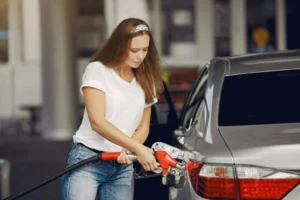
Carefully picking the place and time to refill, and taking advantage of apps and rewards, can shave real dollars off each visit to the station.
1. Skip the Premium Option
High-octane fuel is unnecessary for most vehicles and typically doesn’t improve performance, so you’ll just be paying more. Premium often costs about 20 to 40 cents extra per gallon compared with regular. Stick with regular unless your car’s manufacturer explicitly requires premium.
2. Let This Free App Help You Earn $290/Year on Gas and Food
There’s an app called Upside that helps you earn cash back on routine purchases with minimal effort. It highlights participating gas stations where you can get up to about 25 cents off per gallon compared with posted prices.
You can also rack up cash back at grocery stores and restaurants — from local spots to national chains like Domino’s, Taco Bell, Five Guys, Popeyes and Applebee’s.
Regular users of the app report earning as much as $290 annually. That money is deposited to your PayPal or bank account, or can be redeemed as gift cards from places like Amazon and Starbucks.
Getting started is simple: download the Upside app, create a free account and check the map for nearby offers. Claim an offer, tap “Check In” before you pay with your linked card — it’s quick and straightforward.
You can withdraw funds anytime, typically receiving them within two days. Download the Upside app and use code PENNY25 to get an extra 25 cents per gallon off your first purchase.
3. Use Even More Apps to Find Cheap Gas
You don’t want to fill up and then find a cheaper station a few blocks away. Several apps and websites report current gas prices at stations near you. GasBuddy and Waze are popular choices.
Scout the most affordable stations along routes you usually drive for work or errands. Don’t wait until your tank is nearly empty — you’ll be forced to buy wherever’s closest.
Prices can shift dramatically across state lines, so check rates along your travel route. Avoid stations immediately off freeway exits or in downtown hotspots — they often charge more than locations a bit off the beaten path.
4. Join a Fuel Rewards Program
Many gas brands and grocery chains provide fuel discounts to encourage repeat business. Each program has its own rules on how to earn and redeem savings, so read the fine print.
GasBuddy’s own program, Pay with GasBuddy, is free and can save up to 25 cents per gallon at many national stations. There’s also a paid tier: Pay with GasBuddy Premium costs $9.99 per month and can lower your price by up to 40 cents per gallon plus offer 24-hour roadside help.
(Note: Some stations — including Exxon Mobil, BJs, Costco, Sam’s Club, H-E-B, selected Walmart stations, some Arco locations and a few local stations — may not accept the Pay with GasBuddy option.)
5. Use a Rewards Credit Card
When you fill up, pick a credit card that returns cash back or loyalty points on fuel purchases. Make sure you understand the card’s terms and pay off the balance each month to avoid interest that would negate your rewards.
6. Use Cash Instead of a Card
Some stations offer a discount for cash payments to avoid card processing fees. While some accept debit at the cash price, others don’t. Ask at the pump or carry cash when you plan to refuel.
7. Use Free or Discounted Gift Cards
Survey sites like Swagbucks or KashKick let you earn gift cards or cash for small tasks. You can also buy discounted gas cards through sites such as Raise or Gift Card Granny.
8. Fill Up Early in the Week
GasBuddy’s analysis shows prices tend to be lowest on Mondays and Fridays. Avoid filling up on Wednesdays, Thursdays and Saturdays when prices often peak.
How to Save on Gas With Better Driving Habits
How often you drive and how you handle the wheel influence your fuel bills.
9. Share Rides
If colleagues live nearby and have similar hours, take turns driving so everyone reduces weekly mileage. Set up a carpool with neighbors or other parents to shuttle kids to school and activities, rotating responsibilities.
10. Plan Routes
Organize errands efficiently to shorten driving time. If a grocery store is near your workplace, shop after work instead of on weekends. Combine errands into a single trip rather than multiple outings on different days. Cutting a few miles each week can save you a tank or two over time.
11. Reduce Your Idle Time
Don’t start the engine and let it run while you wait for passengers or fiddle with navigation. Be ready before turning the car on. Idling wastes fuel and increases pollution.
12. Accelerate Slowly and Coast More
Accelerate and decelerate gently. Hard acceleration uses more gas, so ease onto the pedal when merging or getting up to speed. Look ahead for stops and turns and coast gradually to improve mileage — the technique really works.
13. Use Cruise Control — Sometimes
On hilly stretches, cruise control can cause frequent downshifts and reduce efficiency, so it might be better off. But on steady highway stretches, cruise control helps maintain a consistent speed and can improve fuel economy — and it helps you avoid speeding. See studies like this one for more details.
14. Reduce the Use of Your Heater and Air Conditioning
Running the heater in winter or A/C in summer impacts your fuel economy. There’s ongoing debate about whether rolling down windows or using air conditioning increases consumption more, because open windows add aerodynamic drag.
At low speeds you may prefer windows down, but on highways (typically above 30 mph) running the A/C with windows up is often more efficient.
15. Slow Down
Driving at or just below the speed limit can save fuel. Higher speeds create greater wind resistance and lower fuel efficiency. That said, many vehicles achieve their best mileage at moderate highway speeds, so balance speed and economy.
16. Get a Flex Job
The simplest way to cut fuel spending is to drive less. If you’re job hunting, prioritize roles that offer remote or flexible schedules to reduce or eliminate your commute.
How to Save Gas With Vehicle Maintenance
Your car’s condition affects fuel use. Keep it maintained to maximize efficiency.
17. Check Tire Pressure
Underinflated tires reduce gas mileage and cost you extra at the pump, according to the U.S. Department of Energy. Check your owner’s manual or the sticker in the driver’s door jamb or glove compartment for the proper pressure.
18. Check Your Gas Cap
A faulty or missing gas cap allows fuel to evaporate, wasting money and polluting the air. Replace the cap if the rubber seal looks worn.
19. Lighten Your Car
The lighter your vehicle, the less fuel it needs. Remove unnecessary items from the trunk or back seat — that old sports gear can go.
20. Remove Racks
If you’re not using a bike rack or ski carrier, take it off. Racks add weight and increase aerodynamic drag, both of which lower fuel efficiency.
The Energy Department estimates you’ll burn an extra 13 cents per gallon for every 100 pounds of added weight.
21. Use the Right Oil During Oil Changes
Using the incorrect oil grade can cost you a few cents per gallon, according to the U.S. Department of Energy. Use the oil grade your manufacturer recommends and consider oils labeled “energy conserving.”
Synthetic oil, though pricier, reduces internal friction and can improve fuel economy, per sources like AutoGuide.
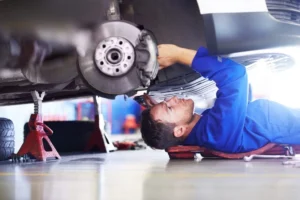
22. Keep Up With Recommended Maintenance
Don’t wait for a warning light before taking your car to a mechanic. Routine maintenance preserves fuel efficiency and helps your vehicle run smoothly.
23. Buy a More Efficient Car
Choosing a vehicle with better MPG is a surefire way to lower fuel costs. Think about a hybrid — or a used electric car if you want to avoid gas purchases altogether.
Manual transmissions often deliver slightly better fuel economy than automatics, and driving a stick shift has its own appeal.
Put the Pedal Down on Higher Gas Prices
These strategies can cut your fuel costs and help you access savings at many gas stations nationwide. Before you head out, review ways to lower what you spend on gasoline so more of your money gets spent where you want — not on the drive to get there.
Former Savinly contributor Alex Martin and former senior writer Jamie Carter contributed to this post.
For more on discounts and strategies to lower pump costs, check out chase pay save on gas for another easy way to reduce what you spend when you refill.