Making smart money choices now can result in huge savings down the road.
Sounds obvious, doesn’t it?
Common tips for stretching your budget — skipping that morning coffee, buying used clothing or snagging a coupon for a haircut — are repeated so often they’ve become cliché.
But what if you already drink free coffee at work, haven’t purchased new clothes in a decade and cut your own hair?
Sometimes there’s nothing left to trim.
So where do you find the extra cash for a bulk buy or to stock up when essentials are discounted?
Anyone who has lived under the poverty line knows this dilemma intimately.
For those who haven’t experienced it firsthand, a study from a University of Michigan economist confirms the reality, as reported by the Washington Post.
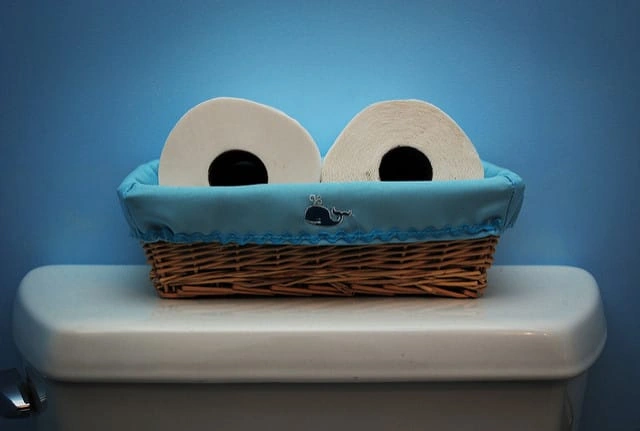
My favorite part of the research? It focuses on toilet paper.
What Toilet Paper Reveals About Saving
Professor Yesim Orhun and doctoral student Mike Palazzolo examined panel data from over 100,000 U.S. households, tracking toilet paper purchases across seven years.
Toilet paper is nonperishable and used at a steady rate. Unlike wardrobes or haircuts, people don’t forgo it when cash is tight. And unlike food, having more at home doesn’t usually mean using more.
Yet lower-income households often end up paying more for toilet paper.
Why does this happen?
Per-unit costs are typically lower when you buy in bulk. When you have a financial buffer (meaning your bills won’t wipe out your account before your next paycheck), you opt for the 24-pack.
But the 24-pack demands a higher upfront payment than the four-pack.
If you only have enough cash for the four-pack and the bathroom needs replenishing, you won’t wait around just because the long-term math favors the 24-pack.
“Having more money gives people the luxury of paying less for things,” as The Washington Post summarized.
Poverty Isn’t Economical
I understand this personally.
For four years before I took my current full-time role, I was regularly strapped for cash and had no credit history.
I bought the four-pack.
To be honest, sometimes I purchased single rolls at a convenience store because I didn’t have a car to reach the cheaper multi-packs.
Now I receive a steady paycheck and better manage monthly expenses. I’m building an emergency fund and improving my credit. I pay some bills early, and my bank balance grows bit by bit each pay cycle.
Now I buy the 24-pack.
I also opt for the larger shampoo bottles and multipacks of soap. I stock up on pantry basics during sales. I book flights when fares are lowest instead of waiting until I have extra cash on hand.
I take joy in these small wins — yes, I celebrate the spare bottle of shampoo in my bathroom — and I feel grateful for my job every time I open a cupboard.
We all know the obvious money-saving measures — even if we can’t implement them right away.
But we make do with what we have, and sometimes that means we lack the luxury of smart financial choices.
How Do You Move Forward When You’re Way Behind?
For me, the turning point came when I secured a job with steady wages that allowed me to buy larger, more cost-effective items.
I wasn’t getting ahead when I was broke;I was surviving.
Sometimes the best fix is finding higher-paying work. In the meantime, though, you can earn extra money on the side and use alternative tactics to save when traditional advice doesn’t fit your situation.
I had to be inventive, particularly with food. I became adept at combining small leftovers to create full meals, turning sparse pantry items into a stir-fry or casserole.
I also leveraged free meals. When I worked in food service, I’d make my employee meal consist of fruits and vegetables — items that can be costly during regular grocery runs.
Gifts were another unexpected lifeline. Not charity — I mean birthday and holiday presents.
A coffee shop gift card can cover a few meals. Big-box retailers sell groceries. You can also re-gift or sell gift cards and items you won’t use.
These improvised solutions are often situational. When conventional tips fall short, people get creative to stretch their dollars.
We’d love to hear some of your tactics!
Dana Sitar (@danasitar) is a staff writer at Savinly. She’s contributed to Huffington Post, Entrepreneur.com, Writer’s Digest and more