I say, let’s turn it into a game! If you’re good at it, this little pastime can help you stash away a lot of cash.
About 13 years ago, my partner and I purchased our first home — and found ourselves completely tapped out. Every penny we had went into the purchase. Money became a touchy topic, and arguments about it were nearly daily.
That stayed the case until we decided to invent a game.
One afternoon we wanted to grab a quick meal at a fast-food place, but only had $10 in our pockets. Instead of scrambling for extra cash, we challenged ourselves to see if both of us could eat for less than that.
As it turned out, filling up at a fast-food joint for under $10 and leaving satisfied is surprisingly simple.
Let the Games Begin!
The following weekend, we decided $10 was too simple. So we cut it to $8, then $7, then $6.
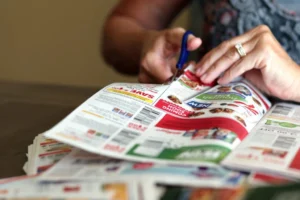
Soon my wife and I were enjoying meals out for under $4 each. I recall our best run was about $3.75, using several coupons and a special discount.
What used to be an average $25 meal each weekend dropped to well under $5 — saving us more than $780 a year, and we still felt full!
Stepping Up Our Game
We realized we’d stumbled onto something useful, and the game began to spread into other parts of our lives.
We scrutinized our expenses and noticed how much we spent on fuel. So we both filled our tanks and dared each other to make a single tank last as long as possible.
Rather than driving everywhere, we biked or walked when feasible. Instead of several trips to stores, we combined errands into one comprehensive outing.
We managed to halve our gas usage, trimming about $100 per week collectively. As a bonus, we got plenty of extra exercise from walking and cycling.
I lost the initial gas challenge, but by the end of the year we’d saved roughly $5,200!
Taking It to 0
Next up was our entertainment budget, which had been roughly $200 a month at the start.
We wanted a tougher challenge — we were becoming adept at this game. So we set the entertainment budget to $0. Nothing. Nada. Zip. For an entire month.
It turns out there’s a ton of free entertainment out there. We started using our local library to the fullest — borrowing books, DVDs and music. We also attended library programs like lectures and interest groups.
We took time to explore local shops, doing window shopping instead of always driving past. During the “no-spend entertainment month,” we strolled through stores and discovered interesting finds.
We also made full use of public resources, visiting parks, trails and free museums. There was even a summertime festival in town — totally free.
It seems spending nothing on entertainment for a month, especially in summer, is quite doable — and it saved us about $2,000. Cha-ching!
The Big Game
The last challenge was our utility bill.
This one took longer but became contagious. It began with small changes like switching off lights here and there, then escalated.
We started turning off lights even for short absences. We hand-washed dishes. We line-dried clothing instead of using the dryer, and chose reading or outdoor time rather than TV.
When warm months arrived, we delayed running the air conditioning by opening windows. Why blast AC if the house only needs it for a few hours each day?
All those conservation measures added up and we cut our bill to well under half. It dropped from roughly $300 to $150 or less — about $1,800 saved annually!
The Budget Game’s Lasting Effects
We felt proud of the environmental benefits, too. The game ended, but many habits stuck: we still hang laundry out to dry, and it takes quite a heatwave before we crank the AC.
Playing these little contests can accumulate into significant savings — we ended up saving nearly $10,000!
And it’s enjoyable. The higher the savings target, the more exciting the challenge.
Creativity matters. Just remember to have fun and make a game of it!
Your Turn: Have you invented any games to help save money? Share your ideas in the comments!
Jason Miller is a former Army officer who now lives and works in Cleveland, Ohio. He enjoys frugal living, spending time with his children and taking advantage of free local offerings.