Necessity breeds invention, as the old adage reminds us. Financial strain frequently sparks new approaches or entirely new creations. The 2020 lockdowns, for example, propelled businesses like Zoom and DoorDash into prominence and gave the gig economy fresh momentum. The 2008 downturn helped streaming platforms such as Netflix and online retail on Amazon flourish. Cost-cutting techniques have long histories — even the Great Depression produced its own roster of clever money-saving practices. During the devastating economic collapse that lasted from 1929 to 1939, people became exceptionally resourceful to stretch their dollars.
Try These Great Depression Money Hacks
You’ve probably heard a few of these anecdotes from older relatives. While we can’t show you how to get a full steak supper for a nickel or retrace your grandparents’ snowy uphill trip both ways, there are many proven tactics from the 1930s that helped families make do and save.
Reuse and Repurpose: The Flour Sack Wardrobe
One of the most curious Great Depression money hacks is the tale of the flour sack dresses. Households that bought flour noticed the sacks were woven from durable cotton, perfect for sewing garments. Flour manufacturers soon caught on and began printing attractive patterns on their sacks so customers could turn them into clothing.
Most modern flour bags are paper (less useful for sewing), but the underlying lesson remains. Plenty of items we buy as single-use can be reused creatively: shoeboxes, takeout containers, and egg cartons make good organizers, and tea bags or coffee filters can often be used more than once.
If you want to emulate the thrifty seamstresses who fashioned flour sack dresses, learning basic sewing can save you money. Simple mending skills lengthen the life of your garments so minor rips or loose seams don’t force you into buying replacements.
Save by Growing Food
Small kitchen plots were once widespread. They signaled independence and were a necessity for homesteaders. After World War II, the immaculate grass lawn became part of the ideal suburban picture. With supermarkets making produce readily available, many people let go of their vegetable patches.
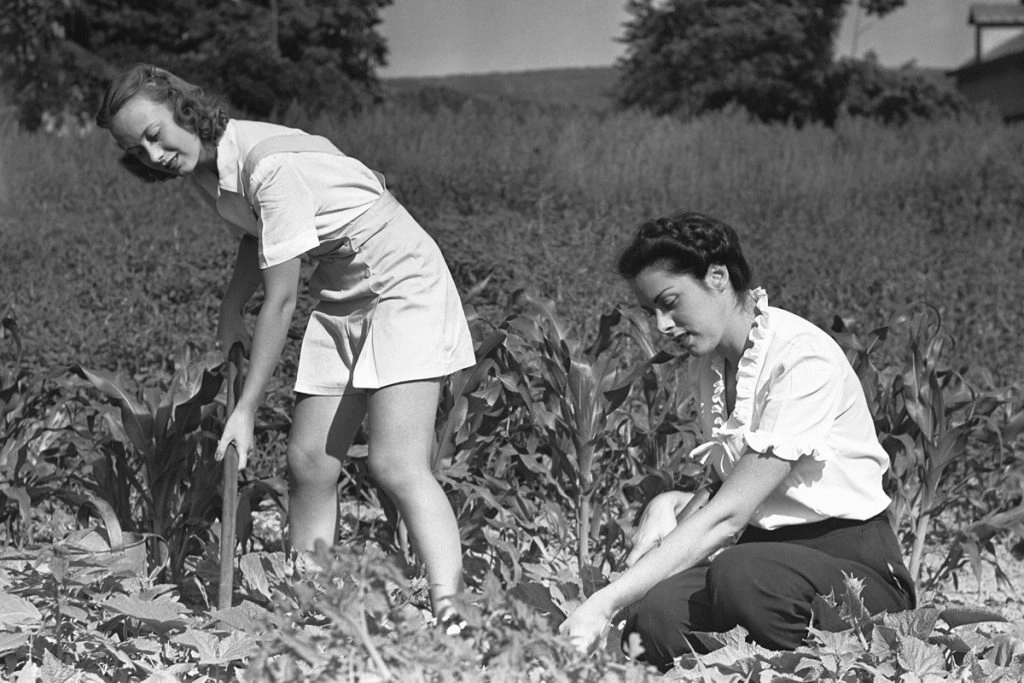
Still, gardening had a late flourish in the 1930s and 40s. Often called Thrift Gardens, backyard and communal lots supplied families with vegetables, herbs, and seasonings. That concept carried into World War II as the government promoted Victory Gardens to help households augment rations during wartime.
The economic upside of a modest herb or veggie bed is obvious. With a small investment you can grow food and enjoy ongoing savings. If you have a particularly green thumb, a small plot can even yield income. Urban dwellers can often join community gardens nearby with a quick web search or learn to cultivate herbs indoors.
Cheap Cleaning Solutions
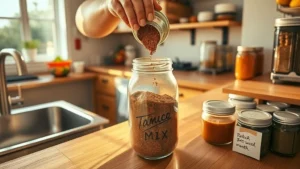
Vinegar’s usefulness goes far beyond vinaigrettes — it’s a powerhouse for household cleaning. Like reusing flour sacks, maximizing household supplies was a core Great Depression money hack. Vinegar formed the base of a DIY all-purpose cleaner that became a staple in many homes.
Baking soda and citrus peels refreshed carpets and kept living spaces smelling pleasant. These economical methods are also greener and gentler than many commercial cleaners, avoiding harsh chemicals.
The frugal mindset endures. Over the past century, homemakers have developed countless contemporary tricks to maintain clean, healthy homes on tight budgets.
Handmade Presents
Homemade gifts carry a unique warmth. Your grandmother’s hand-knitted sweater might not match current fashion, but who would discard such a heartfelt present? During the 1930s, few households expected lavish, store-bought holiday gifts.
Many presents exchanged for holidays, birthdays, or other occasions were handcrafted — quilts, garments, and toys were common. Meaningful, low-cost ideas like family recipe books, scrapbooks, and photo albums created treasured keepsakes. Those simple items reflected how hardship could deepen connections and often became precious family heirlooms.
Nowadays, with the gig economy and platforms like Etsy enabling creators, learning to craft gifts is easier and more affordable than ever. Many modern DIY gift lists mirror ideas that originated during the Depression.
More Lessons from the 1930s
The 1930s were extraordinarily hard years. The economic collapse affected nearly every facet of daily life, altering entertainment habits as well. Hollywood was enjoying its first major boom, and movies became a national pastime as people sought inexpensive escape. Because cinemas expanded, ticket prices fell during the decade — films became an affordable, communal diversion, often costing just a quarter.
Times change. Movie tickets are costly today, but many towns offer free screenings in parks and community centers — a quick online search will reveal options near you.
Another habit worth reviving is using cash. Although credit cards were not yet around, checks were common and people during the Depression grew wary of them. Alongside the Stock Market Crash, the Banking Panic of 1930 shook public confidence in banks.
With trust in financial institutions low, many insisted on transacting only in cash. There’s a practical upside to that approach: physically handing over money can discourage overspending.
While some of these Great Depression money hacks may seem old-fashioned, they’ve been proven by time. The challenges of 2024 differ from those of the 1930s, yet lessons from the past can still guide us toward healthier finances and wiser living.