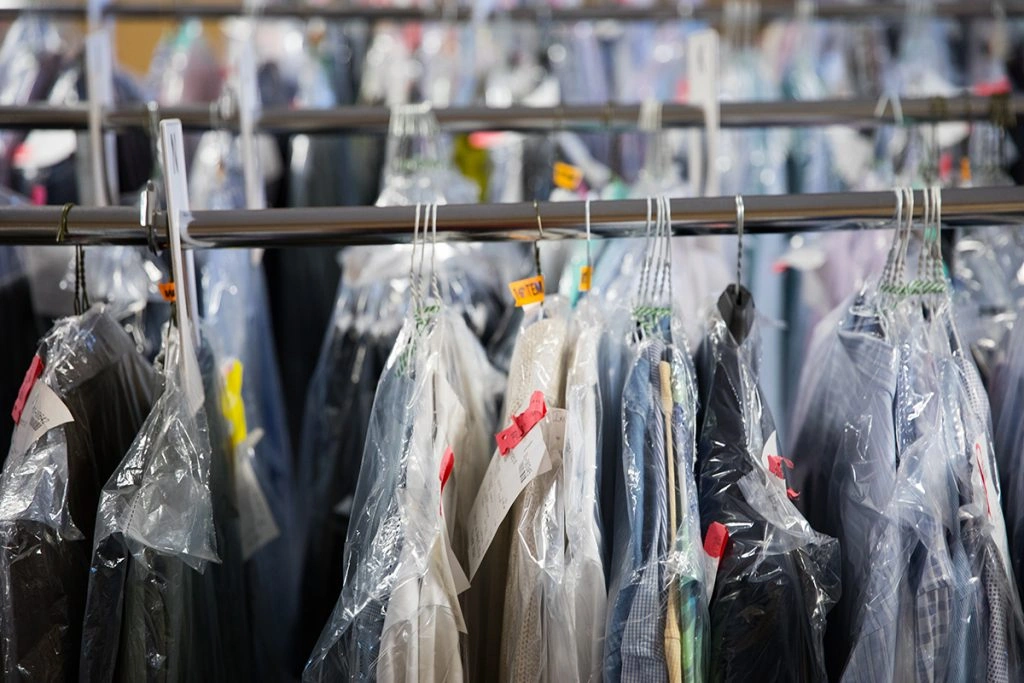
One small discovery can make the ordinary chore of laundry go from annoying to outright awful: That new dress or shirt you just bought needs to be dry cleaned.
You might feel like tossing that piece in with your whites or colors and hoping for the best. But do you want a sweater that ends up fitting your toy poodle better than you?
Taking garments to the dry cleaner adds another errand to your list, and expenses can pile up quickly.
“If you spend $100 on a coat, and then $20 every time you get it cleaned, after five dry cleans you’ve already spent as much as you did on the coat,” said Jeanne James, a fashion design instructor at Kent State University. “It’s kind of crazy.”
Still, for many people the reality is that some items truly do need professional care.
Below we’ll explore why manufacturers label some pieces “dry clean only” and share tips to help you lower those recurring dry-cleaning bills.
Who Decides That an Item Is “Dry Clean Only”?

When a brand issues care instructions for a garment, it only needs to provide one trustworthy cleaning method, according to textiles specialist Deborah Young. It isn’t required to list every possible way to launder the item.
That’s why you frequently encounter labels that say “dry clean only” or “hand-wash only.” A company prefers to avoid customer complaints if a garment doesn’t survive a standard washing-machine cycle.
When you’re examining care tags in a store, pay attention to the fabrics listed. The more absorbent a fiber is, the more apt it is to shrink, Young explained.
Wool, rayon and cotton are the fabrics most likely to shrink, in that order, she said. We often accept some shrinkage for certain pieces. “We know a cotton T-shirt will shrink more than jeans, but we tolerate it and buy a size bigger,” Young added.
Knowing which materials tend to shrink can help you make smarter purchasing choices.
But what happens when different fibers are combined? That’s when things get complicated.
A garment made from a blend of materials raises the chance that something will go wrong if you throw it straight into the washing machine without checking first.
For example, a cotton jacket with a polyester lining may present problems. Cotton shrinks more easily than polyester, so the jacket’s outer shell may shrink while the lining doesn’t. If you’ve noticed a lining that juts out below the hem, it’s often because the item was washed in warm water or tumbled in the dryer.
Blended fabrics differ from simply placing two fabrics adjacent to one another. Intimate blends — fabrics thoroughly mixed at the fiber level — are more tolerant of home washing.
“Polyester acts like a babysitter for cotton,” Young said. “Poly-cotton doesn’t shrink.”
Some Fabrics That Require Extra Care
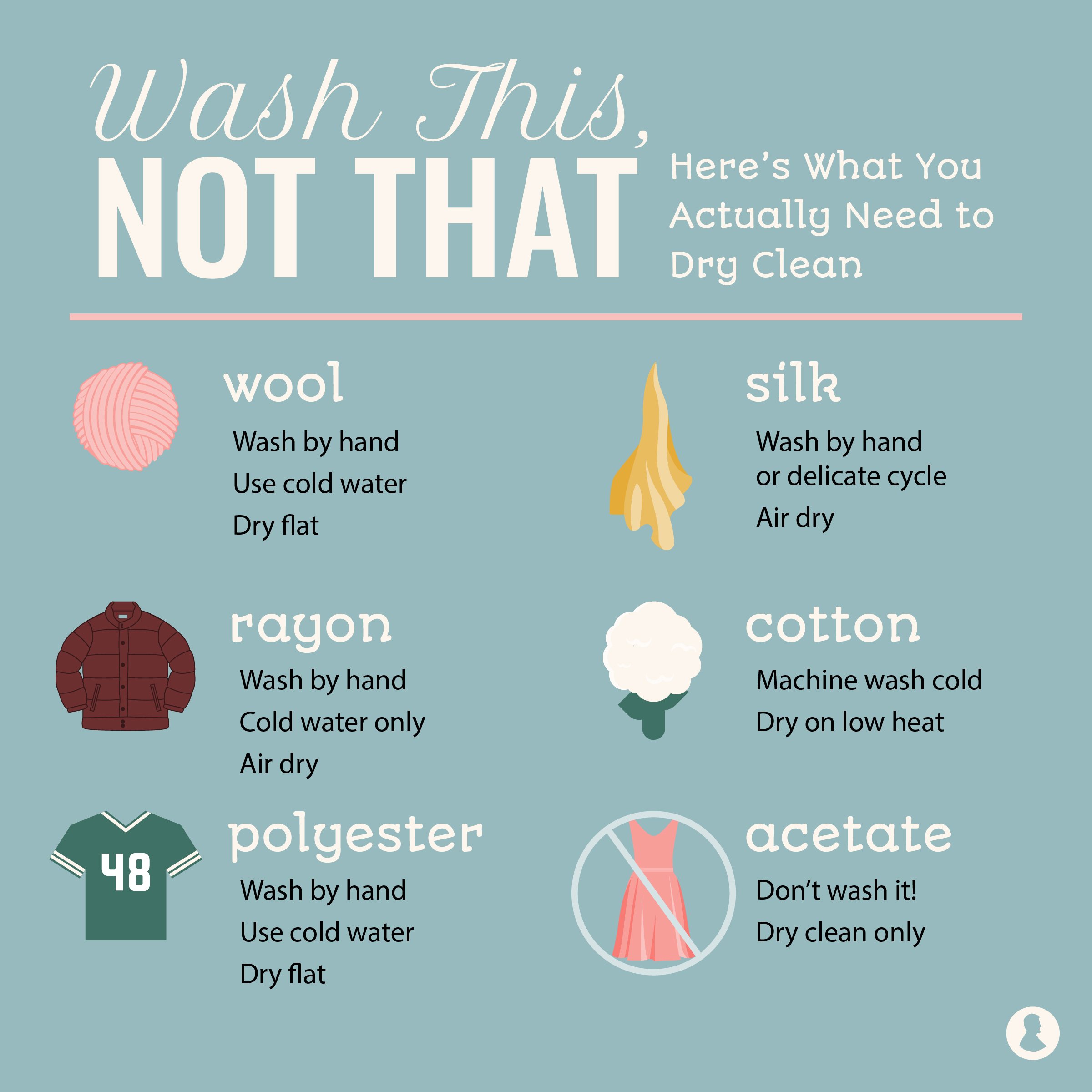
Here are a few materials you likely own that may need more careful attention.
If you launder wool at home, wash it by hand in cold water. The tumbling and agitation of a washing machine can cause wool to felt and shrink, similar to the effects of heat. Lay dry wool pieces flat on a rack to retain shape.
Be gentle with sweaters: wash them by hand using sheep-friendly shampoo, which you can find at farm-supply outlets. The pH-balanced cleaner cleans wool fibers without harming them.
One exception is garments labeled “washable wool.” If the care tag indicates they’re washable, you can safely machine wash them.
Silk is often washable but prone to water spots. If you spill something on a silk blouse, you can’t simply attack the stain — you generally need to launder the entire item, James warned. Hand wash or use the delicate cycle.
Young concurred. “Silk is a bit temperamental,” she said. Acetate commonly hides in linings. “Acetate is not something you can ever wash,” James said. “It will absolutely disintegrate.”
When acetate is present, it’s best to visit a professional cleaner.
So What Is Dry Cleaning, Exactly?
There’s nothing truly “dry” about the process.
Rather than water, dry-cleaning machines use a solvent to clean garments. The same machine dries the clothing, and the remaining solvent evaporates and is collected, purified, and reused.
After cleaning, pieces are pressed using specialized equipment that steams garments evenly and quickly.
Wet cleaning is another method — cleaners use this when items can’t tolerate solvents and must be washed with water instead.
Dry cleaning is pricey because it demands significant labor. Even in our automated age, many human steps remain: sorting, tagging, inspecting, pressing and transporting garments. Eco-friendly solvents can add to costs, as do pickup-and-delivery services or expedited orders.
Ways to Lower Your Dry-Cleaning Expenses
- Buy a clothing brush. These cost roughly $10 to $15 and remove pollen, soot and light dirt from suits and outerwear. Brushing occasionally and letting garments air between wears can reduce trips to the cleaner, James said.
- If you’re cleaning suit components, whether professionally or at home, launder all matching pieces together. Washing pieces at different rates can speed fading and wear on some parts while others remain fresh.
- Find a cleaner with an on-site plant. If the shop does its own processing, your clothes don’t need to be shuttled elsewhere, and they can often offer lower rates.
- Point out stains when you drop off garments. Stain removal looks like magic, but cleaners can’t treat trouble spots they don’t know about.
- Try at-home dry-cleaning kits. These kits include a chemically treated sheet you tumble with the garments you want to freshen. Think of it as a quick steam-refresh for under $2 a piece. “It’s not the same as a professional cleaner, since the cleaner will also press your items,” James noted. If you have significant stains, a professional visit may still be necessary.
Also, check membership discounts and promotions from retailers and services — sometimes you can pair savings with services like costco membership deals to reduce overall household expenses.
Anna Harris is a senior writer at Savinly.