While getting ready for her evening bath, Laura Starrett noticed the shower’s water pressure had dropped. She’d also been warned by her utility company that her monthly water usage had spiked compared with prior months.
“Then I realized the sprinklers had been left on and they were running every day, so I assumed that’s why I received a notice about high water use,” said the recently retired homeowner in Jacksonville, Florida.
She switched the sprinklers off.
Not long after, Starrett received another alert: her water bill was expected to reach $1,000. A plumber arrived, listened by the pipes and heard water flowing. The problem turned out to be a leaking pipe in the backyard.
“You kind of hope the problem goes away on its own,” Starrett said. “But I knew something was off because water doesn’t just vanish.”
A survey from Travelers insurance found that 42% of homeowners postponed a needed repair during 2020, largely due to concerns about having service people in the home amid the pandemic. Among those delaying fixes, 19% attempted repairs themselves and didn’t succeed, while 22% simply left the issue unresolved.
Delaying maintenance can escalate into a larger — and often costlier — problem, warns Angela Orbann, vice president of property and personal insurance at Travelers.
“I usually distinguish between cosmetic issues and truly critical ones, and sometimes that line is thin for homeowners,” she said. “You shouldn’t put off things that can evolve into far greater problems.”
8 Home Repairs You Shouldn’t Procrastinate
1. Any Problem Involving Water
A water stain on a wall or ceiling may signal a leaky roof or pipe. If ignored, the leak will grow and can ruin floors, walls, furnishings and more.
“Whenever you see a stain, address it immediately because it suggests moisture is entering the house. Small amounts of moisture alone won’t instantly cause mold, but over time mold and continued deterioration will develop, so it’s important to tackle these issues as they occur,” said home inspector John Wanninger. He and his INSPECTIX team in Nebraska have inspected more than 30,000 homes.
The same urgency applies to dripping faucets, running toilets or leaking water heaters.
“Letting a toilet run will cost more over a month or two than it would to repair it promptly,” he said.
Don’t dismiss an unusual jump in your water bill. As Starrett discovered, it can be an early sign that something is leaking somewhere.
2. Any Electrical Issues
Are lights flickering? Do switches or outlets stop working? Do breakers trip frequently? Are GFCI outlets failing to reset?
These can indicate electrical faults.
“A flickering light could be as simple as a loose bulb or as serious as a loose wire,” Wanninger said. “Any electrical concern should be treated as important and time-sensitive.”
Homes built from 1965 to 1974 may have older aluminum wiring whose connections can fail. Homes from the 1950s or earlier may have knob-and-tube wiring with aging connections.
Circuits can become overloaded, and sometimes wiring isn’t upgraded when a home gets modernized.
Electrical failures can start fires, and fires can cause injury and extensive property damage.
3. Pest Infestations
Though small, insects and rodents can create major problems.
“Termites can inflict extensive damage over time. If unchecked for three to four years, what begins as minor harm can become severe,” Wanninger said.
There’s no way to know how long termites or carpenter ants have been chewing away before you spot them, so prompt action is crucial.
Watch for evidence of termites and carpenter ants, such as:
- Sawdust or wood deterioration.
- Mud tubes.
- Discarded wings near sealed windows, doors or other entry points.
- Large black ants.
- Faint rustling sounds inside walls.
- Holes in cardboard boxes, notably on the bottom.
Furry pests can spread disease through their droppings and gnaw through insulation.
“If you hear noises in your attic, it’s often mice, rats, squirrels or raccoons. In any event, it should be handled right away because they can all cause significant damage if left alone,” Wanninger said.
4. Peeling Caulk and Flaking Paint
See item #1: water.
When caulk pulls away, moisture can get in and the ensuing damage isn’t good.
“We often overlook cracked joints in a tiled bathroom. It doesn’t look serious at first, but over time moisture penetrates and degrades the shower board and the supporting material behind the wall. Before long, you might face a $2,000–$3,000 repair,” Wanninger said.
The same holds true for paint. Paint acts like a protective skin for the home, keeping out water and pests. Losing that barrier invites problems.
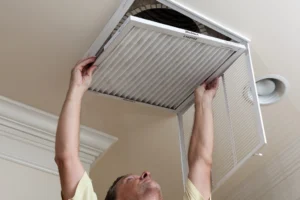
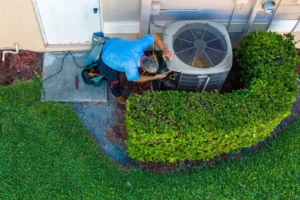
5. Malfunctioning HVAC
Losing climate control isn’t just uncomfortable — it can create additional issues.
“If indoor humidity is too high, it can pass through drywall into the attic,” Wanninger said. “If you see condensation on the inside of windows in winter, that’s a sign your humidity is excessive.”
In cold months, that moisture can freeze and then thaw, causing leaks. In warmer months, extra humidity encourages mold and mildew.
Address HVAC troubles early; maintaining the system can lessen strain and potentially stop a more serious breakdown.
6. Visible Cracks
Some cracks in walls or foundations are benign, but they shouldn’t be ignored.
“Concrete cracks — that’s fairly normal,” Wanninger said. “But if you see foundation or floor cracks that are widening or displacing noticeably, that could point to structural movement that needs evaluation before it becomes a major problem.”
Monitor crack size: measure length and width periodically and record any changes.
7. Smoke and Carbon Monoxide Detectors
It’s basic, but when smoke alarms or carbon monoxide detectors start chirping, replace the batteries immediately — even if it’s in the middle of the night.
“At two a.m. when that chirp begins, it’s easy to tell yourself you’ll fix it tomorrow, and tomorrow often never comes,” Wanninger said.
Even better, swap batteries annually when you change your clocks for Daylight Saving Time.
8. Discoloration on Ceilings Near Fireplaces
Darkening on a ceiling or a sooty odor can indicate a fireplace that isn’t drafting correctly. That condition can let dangerous gases seep into the home.
“There’s no room for doubt here. It could lead to carbon monoxide poisoning,” Wanninger warned.
If you’re considering selling or exchanging gift cards to cover repair bills, remember to dont sell your gift cards hastily — there are often better options.
Riley Morgan is a Florida-based freelance reporter with more than 25 years covering finance, health, travel and other topics.