Rice is a longstanding staple in countless American households, and it’s easy to see why: it’s filling, adaptable and incredibly, wonderfully inexpensive.
Like, really inexpensive. I’m talking about 2.5 cents per ounce when you grab the20-pound bag from Walmart, and even cheaper if you purchase in bulk.
Not bad at all, but there’s one important caveat.
Rice is that cheap only when you choose the bargain varieties.
And if you’ve wandered down the rice aisle, you’ve probably noticed it isn’t all that low-cost. Depending on size, brand and type, you could pay up to 40 cents per ounce or more!That’s over 15 times the inexpensive option’s price.
Of course, pricier rice varieties claim to provide better nutrition, easier cooking, a gourmet cultural experience and — naturally — nicer packaging.
So, is upgrading worth the extra cash? What should a rice-loving Savinly reader do?
Rice: More Complex Than You’d Expect
You’d hope something as basic as rice might be straightforward, but no such luck.
To decide if costlier rice is a smart purchase, we first need to understand what proponents say makes it superior.
Here’s a rundown of some common rice types (not an exhaustive list!) and the advantages each might bring to your kitchen.
Editor’s note: For this piece, I’ll set branding aside, which can increase price substantially. I can’t prove this, but… it’s rice, right? The label likely isn’t dramatically changing flavor or nutrition, though processing and sourcing can matter.
All right, let’s get into it! (Yes, had to.)
White Rice — 2–7 cents per ounce

This is likely the rice you picture when you think “rice”: the classic white variety. It’s available in long-, medium- and short-grain types, and U.S. regulations require it to be enriched with B vitamins and iron.
That’s because white rice is essentially brown rice that’s had its tough, nutrient- and fiber-rich bran and germ removed. Without enrichment, it’s fairly lacking nutritionally — and a diet mainly based on it could even cause deficiencies.
Still, white rice is hugely popular and very affordable, with a mild flavor that pairs well with many dishes. It also stores longer than whole-grain rices and cooks more quickly.
Taste: Subtle, with a light, fluffy texture depending on grain length and cooking. White rice is probably the most versatile.
Nutrition:Although white rice has slightly fewer calories per cup than brown (199 vs. 216), it also contains less protein and fiber, and far less magnesium and B vitamins.
Cook time:White rice typically cooks in 20 minutes or less since the outer layers are milled away. (Psst: check out resources for full details!)
Brown Rice — 4–8 cents per ounce
Brown rice is basically white rice with its outer layers left intact. It’s widely considered the healthier option because it retains more natural nutrients, fiber and protein. Brown rice is sold in various grain lengths as well.
Taste: Slightly nuttier and chewier than white rice; heartier and more robust with a distinctive flavor.
Nutrition:Brown rice doesn’t require enrichment — it naturally contains more vitamins and minerals and even a trace of unsaturated fat, which is beneficial to health!
Cook time:Because it still has germ and bran, brown rice takes longer to soften — closer to 45 minutes.
Jasmine Rice — 7–10 cents per ounce
Jasmine rice is a fragrant, long-grain rice from Southeast Asia, primarily Thailand.
Though its name evokes a fragrant flower, the aroma is often compared to popcorn or pandan, a tropical plant. The name actually alludes to its white color (though brown jasmine exists, because of course it does).
Taste:As a “fragrant” rice, jasmine has subtle flavor differences from standard white rice, but its texture is the standout: soft and slightly sticky, making it excellent for stir-fries, as a side or in soups, though not ideal for frying.
Nutrition:Like other rices, jasmine’s nutritional profile depends on how much processing it has undergone.
Cook time:White jasmine varieties cook in about 20–30 minutes, while brown jasmine may take roughly twice as long.
Basmati Rice — 13–30+ cents per ounce
Basmati is another long-grain, aromatic rice from India and Pakistan.
But because it’s pricier and sometimes hard to distinguish from other fragrant long-grain rices, adulterated or mixed rice isfrequently marketedas basmati fraudulently.
What should you take from that? Watch out for being overcharged! You might pay premium prices without getting the distinctive flavor and airy texture basmati should deliver.
Taste:Somewhat earthier and more aromatic than many other rices.
Nutrition:Comparable to jasmine — no extraordinary nutrition claims.
How to cook it:Similar method and timing to jasmine.
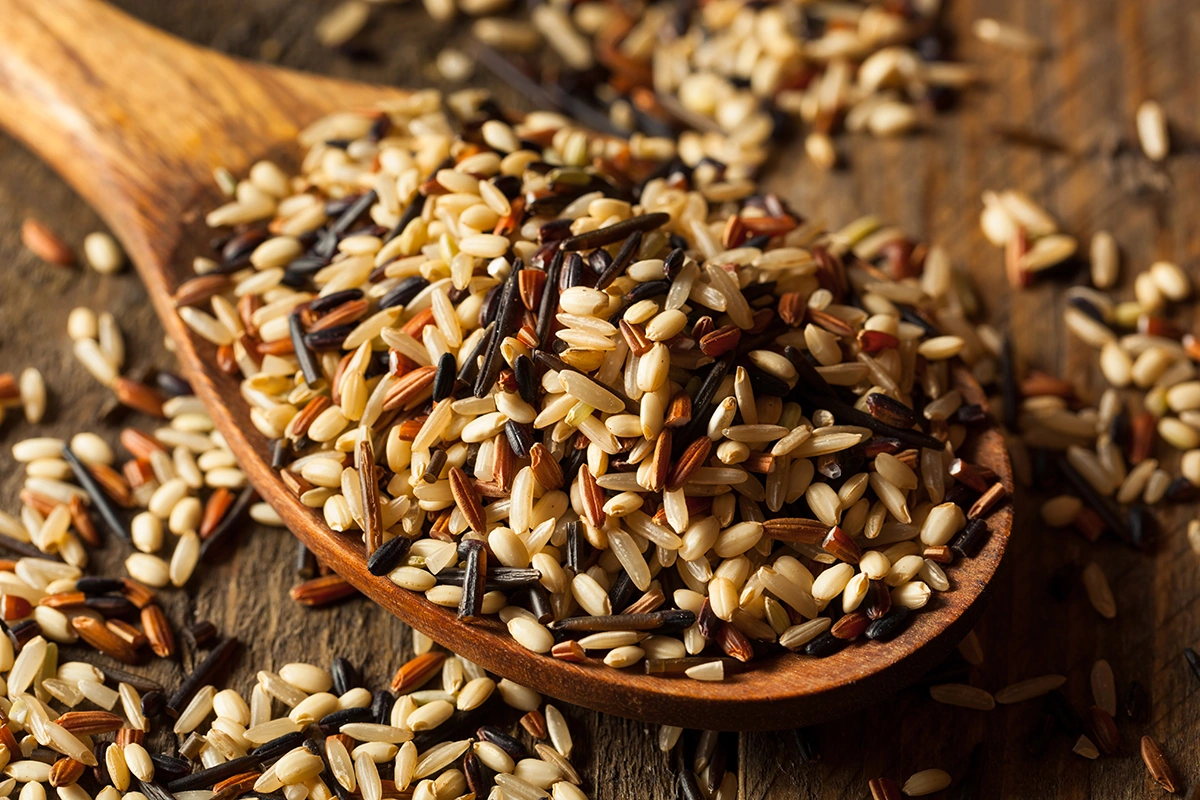
Wild Rice — 43+ cents per ounce

This one’s a bit of a curveball.
That’s because wild rice isn’t true rice at all but a type of grass! As a result, it offers more protein and slightly fewer carbs and calories per cup. Its flavor profile is also markedly different from the other rices we’ve covered.
Taste:Chewier and denser than even brown rice, with a pronounced nutty, toasty character. It brings a distinctive element to dishes — excellent for pilafs!
Nutrition:Wild “rice” has about 166 calories per cup, compared with ~200 for many other varieties, and as a whole grain it’s rich in micronutrients.
How to cook it:Wild rice is unique and can take 30 minutes to over an hour to cook. Because it’s such a hardy whole grain, soaking beforehand can help.
So… Should You Splurge?
There’s no simple universal answer.
It comes down to you: your taste preferences, how much you value nutritional benefits versus flavor and how discerning your palate is. My uncle, for instance, probably couldn’t tell fresh basmati from bargain basmati if you served him a blind sample.
Another key question: What will the rice be used for?
For a soup where rice is just one element, the subtle texture or flavor differences between jasmine and plain white rice likely won’t be noticeable and thus aren’t worth the extra cost. But if rice is the star of the dish, that changes things.
If it helps, remember that different rice types arenaturally better suitedto different uses: Short-grain tends to be stickier for sushi; medium-grain is classic for risotto; long-grain is light and fluffy — ideal under a stir-fry.
So you’ll need to weigh the options yourself. My recommendation? If you like the flavor, opt for the brown version of your preferred rice.
It’s often similarly priced and gives you the nutritional edge, at the very least.
Your Turn: What rice do you usually reach for?
Also, if you’re budgeting for household expenses, you might find it useful to read this guide on are extended car warranties worth it — because smart spending habits apply across the board.