Clothing costs add up: the typical American shells out over $1,400 on apparel each year, per the Bureau of Labor Statistics.
That figure can climb quickly if you favor pricey labels, buy poorly made items that fall apart, or purchase things you don’t truly need. What’s a budget-conscious fashion lover to do?
If you want to trim your clothing spending, you’ll have to make smarter purchase choices and look after what you already own. Below are 20 practical tips to get you started.
How to Spend Less Money on Clothing
Keeping clothing costs under control isn’t always simple, but these tactics will help you recognize what’s genuinely a bargain and what will cost you more over time.
1. Define Your Style
Figure out which cuts and fabrics flatter your body and stick with them. When building wardrobe essentials, favor pieces that remain stylish year after year.
Need inspiration? Real Simple has a helpful list of wardrobe essentials for women, and The Art of Manliness offers a comprehensive guide to building a classic men’s wardrobe.
2. Buy Clothes That Fit You Now
Buying items to “grow into” might be fine for kids, but it’s not a smart way to stock an adult closet.
Live in the present. You’ll look and feel better in garments that fit your current body, not the one you hope to have. Plus, you’ll avoid spending on clothes you might never actually wear.
3. Choose Quality
Invest more in basics from reputable makers. You can accessorize to change up the look, and higher-quality fabrics will last far longer than cheap alternatives.
Don’t stress about missing the latest fad. If rounded-toe boots suit you better than the current square-toe craze, your well-made pair will still look polished — and may even give your wardrobe a distinctive touch.
4. Buy on Sale
Sales are excellent opportunities to pick up staples like neutral trousers, skirts and tops. Learn the sale rhythms of major retailers and watch for markdowns. If you don’t mind the occasional return, order online and try items at home; many sites offer free shipping and returns.
5. If You Love Something and Will Wear it Forever, Buy It!
When you discover a piece that’s perfect — a pair of jeans that fits like a dream or a button-down that flatters — don’t hesitate. It might eventually be discounted, but if it’s that great you can’t count on it sticking around. For true wardrobe staples, consider buying a second one as backup.
Want an extra saving trick? Find the item in-store, then order it online using coupon codes for clothes.
6. If You Don’t Love It, Don’t Buy It
This is a straightforward budgeting tip: if a piece isn’t something you adore, skip it. Why pay for something merely “meh”?
Consider the cost-per-wear before buying. If you’re investing in a designer suit or a special-occasion gown you’ll only wear once or twice a year, make sure it’s something you truly love and will enjoy wearing repeatedly. Is the cost-per-wear justification worth it?
This ties back to tip #3: items you’ll keep for years should be well made.
7. Don’t Buy Cheap Shoes
Shoes that crush your toes or give you blisters will dominate your thoughts and damage your feet. Unless extravagant footwear defines your look, nobody will mind if you rotate the same few comfortable pairs.
8. Don’t Spend a Lot on Trends
Trends are cycling faster than ever. What used to be in for a season may now last only a few weeks.
Ultra-bold pieces (remember 1980s shoulder pads?) will see little wear, making them a poor investment. Better to purchase trend-driven items inexpensively and swap them with friends.
9. Don’t Be Afraid of Thrift Stores
Some of my most reliable pieces came from thrift and consignment shops at rock-bottom prices. You won’t always hit the jackpot, but thrift shopping is a fun treasure hunt.
Always try things on before buying. Sit, stand, walk and move your arms to ensure the fit is right. If it’s nearly perfect and you love it, take it to a tailor for adjustments. But if it smells bad or has a stubborn stain, it’s usually best to walk away.
10. Ask for a Discount
If you spot an item with a removable stain like powder or makeup, politely ask for a small markdown. Missing buttons or a faulty zipper can also earn you a price cut.
I once scored an extra 10% off a $300 INC leather jacket marked down to $100 because a cuff button was missing. Three years later, no one’s noticed — and if it bothered me, I could sew on a replacement.

Preserving Your Clothes
After you’ve purchased clothing, how do you get the most use from it? A few straightforward habits can extend the lifespan of your favorites and postpone replacements.
11. Be Proactive
Sew on loose buttons now. Use iron-on patches inside kids’ jeans at the knees. Don’t wear trousers that are too long — your heels will wear the hems out.
12. Wear Undershirts
Layer a cotton tee or camisole under shirts to protect them from perspiration marks.
13. Fold, Don’t Hang, Knits
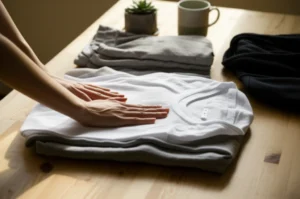
Ever hung a beloved sweater only to find it stretched and misshapen later? Hangers can pull out the shoulders of knitwear, so folding is the better option.
14. Don’t Keep Dry Cleaning in Plastic Bags
The chemicals in those bags can weaken and yellow fibers with time. Instead, store suits in canvas garment bags or cotton pillowcases with a hole cut at the top for ventilation.
15. Don’t Put Dirty Clothing Back in the Closet
It sounds obvious, but many parents know the problem well. Clothes crammed together in a closet lack airflow, trapping moisture and encouraging mildew and deterioration.
Cleaning and Laundering
Keeping garments clean and neat is important — and the right methods will make them last longer.
16. Don’t Over-Launder
Conversely, avoid washing clothes more often than necessary. Washing creates friction and friction causes wear, so maximize the number of wears between washes.
17. Treat Stains Promptly
Address stains immediately with a travel-size stain remover or, when suitable, plain water. Get in the habit of applying stain stick to shirt collars to fight sweat marks, or try pre-soaking in borax.
18. Launder Clothes Properly
Use cold water and don’t use excess detergent. I’ve had success with half the usual detergent, adding borax to the wash and vinegar to the rinse. Cold cycles also reduce the risk of shrinkage.
Wash like colors together; after all, a pink tint on your whites will require extra washing and stronger chemicals to fix.
19. Dry Clothes Gently
High dryer heat can damage fabrics and elastic, and it causes shrinkage that ruins favorite pieces. Air-dry garments when possible, or reduce dryer time and finish items on a hanger. This saves energy and extends clothing life.
20. Skip the Dry Cleaner
Not everything labeled “dry clean only” truly needs professional care, and handling some items at home can save a lot. The U.K.’s Daily Mail tested washing five delicate, dry-clean-only garments at home and found three held up fine, while two did not.
Which fabrics are usually safe for gentle hand-washing or delicate machine cycles followed by air-drying? Polyester, cashmere, silk and wool, according to experts in the piece.
How Will You Save Money on Clothing?
Adopt a mindset of buying fewer, higher-quality pieces and caring for them properly. With good habits, your clothes can last 15 years or more depending on wear frequency. You’ll cut your wardrobe spending — and save time getting dressed each morning.
Maria Delgado is a frugality writer atValpak.com. She enjoys a stylish yet budget-friendly life with her son in Palm Harbor, Florida.