Hey there! If you’ve ever stood in the pet food aisle staring blankly at a mountain of dog kibble bags, wondering which one is truly the healthiest dry dog food for your furry buddy, you’re definitely not alone. It can honestly feel like deciphering an ancient puzzle—real meat or “meat by-product”? Grain-free or not? And what about all those fancy promises on the packaging?
Let’s cut through the noise together. I want to share what I’ve learned about picking the healthiest dry dog food that actually makes a difference for your dog’s health, keeps their tail wagging, and won’t leave you scratching your head every time you shop. Ready? Let’s dive right in.
Why Choosing Matters
So, why bother hunting for the healthiest dry dog food? Well, think about it: your dog’s food is their fuel and medicine rolled into one. The right kibble can mean shinier coats, better digestion, more energy, and fewer vet visits. On the flip side, poor-quality food might trigger allergies, digestive upset, or even long-term health issues. It’s a bit like picking your own diet—would you want to eat bland or junk food every day? Exactly.
Balancing the pros and cons means understanding that not all kibble is created equal. Some foods are packed with fillers like corn or soy that do little for your dog’s nutrition and might even cause sensitivities. But others focus on real meat, wholesome grains or grain-free options, and beneficial nutrients that support your pup’s well-being.
What To Look for On The Label
Reading dog food labels can feel like learning a new language, but once you know what to look for, it’s a whole lot easier:
- AAFCO Statement: First, check for a statement that confirms the food is “complete and balanced” according to the Association of American Feed Control Officials. This means it meets minimum nutrient standards for your dog’s life stage.
- Ingredients List: The first few ingredients matter big time. Look for named meats like “chicken,” “beef,” or “salmon”—not vague phrases like “meat by-product.” These indicate quality protein sources.
- Fats and Omegas: Healthy fats—especially omega-3 and omega-6 fatty acids—are essential for your dog’s skin, coat, and brain health.
- Carbohydrates and Fiber: Whole grains or fiber sources help support digestion and the gut microbiome. If gut health is a concern, foods featuring ingredients designed for digestive comfort are a great pick.
- Vitamins and Minerals: A good kibble will include a well-rounded mix of vitamins A, B, D, and E, plus minerals like calcium and phosphorus to keep your dog active and healthy.
Honestly, I find it helps to think of a dog food label like a little story—telling you exactly what your dog is about to eat. If there are a ton of strange chemicals and fillers at the top, it’s usually best to put that bag back on the shelf.
Key Traits of the Healthiest Dry Dog Foods
Here’s what separates the best dry dog food from the crowd:
- Complete & Balanced: Tailored precisely for your dog’s life stage—puppy, adult, or senior.
- High-Quality Proteins: Ethically sourced, easily digestible meats, like grass-fed beef or sustainably caught fish.
- Caloric Density: Appropriate to your dog’s breed size and activity level to keep them energized without excess weight.
- Transparent Sourcing: Brands that openly share where their ingredients come from and avoid mysterious by-products.
- Minimal Fillers: Say no to unnecessary cereals, artificial colors, or preservatives cluttering up the recipe.
Brands like Open Farm, for example, go the extra mile by using humanely raised proteins and avoid any artificial nasties. That kind of honesty goes a long way when you want to trust the bag you’re feeding your dog.
Best Dry Dog Food by Specific Needs
Every dog is beautifully unique, right? That means their food should be too.
Best Dry Dog Food for Large Dogs
Big pups have special requirements. You want a kibble that supports joint health (think glucosamine), offers controlled calories to prevent weight issues, and comes in larger-sized bites easy for them to chew.
Best Dry Dog Food for Small Dogs
Small dogs burn energy fast and often have finicky palates, so they need calorie-dense meals with smaller kibble bits. Ingredients also focus on boosting dental health and maintaining a shiny coat. If that’s your pup, check out the best dry dog food for small dogs for some great tailored options.
Best Dry Dog Food for Gut Health
Is your dog sensitive or prone to tummy troubles? Look for foods with pre- and probiotics, soluble fibers, and gentle protein sources. These formulas support the gut microbiome and help keep digestion smooth.
Best Affordable Dry Dog Food
Quality doesn’t have to break the bank. There are trustworthy brands that balance nutrition and cost-effectiveness, so your wallet stays happy without compromising your dog’s health.
Breed- or Condition-Specific Formulas
Special needs? Some foods are developed for weight management, renal health, or breed-specific issues like skin sensitivity. Sometimes, chatting with your vet can help pinpoint what’s right here.
| Need | Key Ingredients/Traits | Red Flags |
|---|---|---|
| Large Dogs | Glucosamine, larger kibble, balanced calories | Too many fillers, small kibble bits |
| Small Dogs | Concentrated calories, dental support, small kibble | Low calorie density, large kibble |
| Gut Health | Prebiotics, probiotics, soluble fibers | Artificial preservatives, unknown fillers |
Trusted Brands and What to Know
Now, let’s talk brands. You’ve probably heard about Royal Canin dog food or maybe iams dog food. These brands have long histories and loyal followings. Royal Canin is often vet-recommended for specialized diets, which can be a safe bet if your dog has specific health concerns.
Then there are brands like Blue Buffalo, Nutro, and Natural Balance that focus on natural, wholesome ingredients. They often include superfoods like blueberries and flaxseed oil, which help support immunity and skin health.
But here’s the honest truth: not all brands are created with your dog’s welfare as the top priority. Be wary of dog food brands to avoid that load their food with fillers, artificial additives, or whose recalls are frequent headlines. It’s worth doing a little homework before deciding.
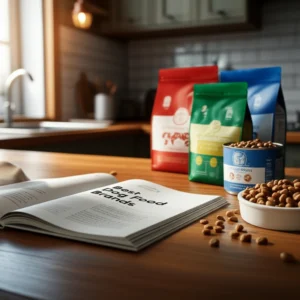
If you want to browse some of the widely respected options, here’s a helpful round-up of the best dog food brands out there, curated by people who know their stuff.
How Experts Choose Healthy Kibble
Veterinarians, pet nutritionists, and dog lovers alike stress the importance of feeding your dog a diet that checks the “complete and balanced” box, usually verified by AAFCO standards. This ensures your dog gets the correct amounts of protein, fat, fiber, vitamins, and minerals they need for life.
Experts also look for digestibility and ingredient transparency. If a product’s ingredient list looks like a chemistry experiment or is vague, it’s usually a no-go. For some dogs, especially those with allergies or health issues, prescription diets might be necessary—and that’s a great conversation to have with your vet.
Switching Foods Without Drama
Changing your dog’s diet is like easing into a new routine yourself—sudden changes can cause upset. Here’s a simple plan to avoid the “messy” transition:
- Start by mixing 25% of the new dry food with 75% of their current food for a couple of days.
- Gradually increase the new food to half, then three-quarters over the next week.
- Observe your dog’s stool, appetite, and energy. If anything looks off, slow it down or check in with your vet.
If you want to add a little extra yum, safe homemade toppers or freeze-dried toppers can help your dog embrace the new kibble. Just keep the portions balanced so you don’t upset their calorie goals.
Real Stories From the Front Lines
Let me share a quick story—my neighbor switched her older golden retriever to a high-quality kibble rich in glucosamine and omega fatty acids, and within weeks, she noticed the dog was moving more comfortably and had a glossier coat. Small changes like that can mean the world.
Or there’s another friend who picked a specially formulated best dry dog food for small dogs breed kibble for her tiny terrier — it gave her pup just the right amount of calories without those excess fillers that tend to bloat small dogs.
Wrapping It Up
So, what’s the takeaway? Choosing the healthiest dry dog food is more than just grabbing the fanciest bag off the shelf. It means looking for complete, balanced nutrition with high-quality ingredients that match your dog’s specific size, age, and health needs. Watch out for fillers and artificial bits that sneak in under the radar, and explore brands known for transparency and trustworthiness.
Remember, your dog’s food is their daily dose of health, happiness, and energy. Taking a bit of time to understand what goes into their bowl will pay off in wagging tails and wet-nosed kisses. If you’re curious about tailored options, exploring the best dog food brands or reading up on dog food brands to avoid can help steer your choice.
Finally, I’d love to hear your thoughts or stories—what’s worked for your dog? If any questions pop up, don’t hesitate to ask; after all, we’re all sharing this journey to keep our four-legged friends thriving.