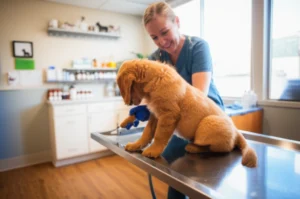
Let’s not dance around it—if you’re looking for free pet food for low-income families, you want answers, and you need them yesterday. Whether you’re here because you’re having a tough month, your job situation changed, or supporting yourself and your pets is suddenly feeling like a mountain, you’re in the right spot. Life gets messy, but your furry pals still need to eat… and so do you. So, how do you keep those tails wagging and bellies full without breaking what’s left in your wallet?
Here’s the straight talk: You can find help, and people care—really care—about making sure you don’t have to choose between feeding yourself and feeding your best friend. From local food pantries to specialized animal aid groups, from national directories to good old neighborhood kindness, you have options. Let’s dig into them together.
Why Pet Food Help Matters
First things first, if you’re stressed about asking for help—it’s okay. You’re not alone. Imagine how many families are just barely hanging on, but that simple bag of kibble or those few cans of cat food suddenly mean the world. It isn’t just about the food. It’s about keeping your pets with you, keeping your family together, and having one less thing to worry about when everything’s already upside down.
Did you know that a lot of families facing money trouble end up surrendering their pets to shelters, not because they want to, but because they feel like they have no choice? That’s heartbreaking. These food programs aren’t just a handout—they’re a lifeline, helping people and pets stay together, freeing up just enough cash for rent, bus fare, or medicine. Plus, every bag of donated food means a little less stress on local shelters too.
Still, it’s not all sunshine—it’s fair to be cautious. Sometimes the food you get isn’t the brand your pet’s used to. If your cat is like mine, she’ll throw a protest if dinner’s even slightly different… Or maybe you have a pup with a delicate stomach or on a prescription diet. Donated food might not always work for every pet, so it pays to ask questions and watch closely for any tummy troubles.
Where To Find Pet Food Help
“Where do I even start?” If you’re asking yourself that, you’re already halfway there. Most folks don’t realize their local animal shelters or humane societies aren’t just for pet adoptions. Many of them now have pet food pantries or share resources with community food banks. Some places—like the Georgia Pet Food Pantry, SICSA, or Paws Atlanta—offer regular distribution days, and some ask for a quick proof of need or just your ID. Sometimes it’s literally walk in, say hello, and walk out with a bag of food in your hand according to SICSA’s resource page.
If lining up in person isn’t your style, or you want to be sure before heading out, there’s gold in online directories. Pop over to pet help finder—plug in your zip code, click around, and you’ll get a list of nearby pet pantries, soup kitchens that welcome four-legged family, and more.
Some national networks make things super easy, too. Try pets.findhelp.com, where you enter your location and get a quick glance at who’s helping near you. Don’t be shy about searching for “pet food bank near me” or checking your local food pantry’s website—lots of human food banks stock dog and cat food too. They just don’t always put it front and center on the sign.
Want the short list? Here’s a few well-known organizations that regularly help out:
- Georgia Pet Food Pantry: They partner with other nonprofits to put food (and sometimes treats, leashes, toys) right in the hands of families in need—no long forms, just compassion all the way according to their mission summary.
- Paws Atlanta & Healthy Canines: Monthly or as-supplies-last distributions, some asking for proof of local residency (like your driver’s license) but no income checks—just a desire to help your pups get dinner.
- SICSA: A bit more structure—food aid is once a month, up to three months at a time, with gentle requests for proof of need. Not forever, but often just enough to get you through a rough patch according to their guidelines.
- Atlanta Humane Society: If you’re in the Southeast, they run a massive pet supply bank that covers dozens of smaller organizations and food banks, keeping the help-flow strong as described here.
All you need to do: Reach out, show up (if you’re able), or give them a call. And if you’re nervous—these folks have seen it all. Most just want to help, not judge.
Pet Food: Pros, Cons, Reality Checks
Let’s talk honestly for a second. There’s a lot of good that comes from programs like these, but it’s not a perfect answer for every single pet in every single home. Most donations are the “best available”—meaning sometimes you might get a high-end grain-free bag, sometimes it’s supermarket dry chow, sometimes it might be for puppies when you’ve got a senior. Your pet might have an allergy or tummy trouble (my old dog could sniff out corn in a second—never went well), so start slow! Mix a little of the new stuff in with what’s left of your usual food, watch for any, ahem, unexpected digestive surprises, and don’t be afraid to ask volunteers if they have special options for sensitive eaters.
If you do need prescription food or your pet is on a strict, vet-recommended diet, the regular pet food bank might not have exactly what you need. But they’ll often know who you can talk to—sometimes local vets or animal hospitals set aside specialty food for families in crisis. It might take an extra call or two, but there’s often a patchwork of help if you just ask.
When Emergencies Hit—Vet Bills & More
Sometimes it isn’t just about food. Maybe your four-legged friend ate something silly, or maybe you’re staring down a vet bill that makes you want to hibernate for a year. There’s help for that too, with emergency vet bill assistance programs popping up all over the place.
The mighty the pet fund is a rock-solid place to start for non-emergency vet care, helping families pay for chronic pet health problems and surgery. If it’s an acute, “right-now” crisis, ask your local animal shelter or humane society if they have a fund just for emergencies. Some animal hospitals and rescue groups offer payment plans or work with charities set up to pay partial vet bills.
Worried about getting help fast? Go to emergency vet bill assistance for a list of national and local contacts, plus tips for negotiating with your vet (believe it or not, many will work with you if they know you’re struggling). Need to find all these options in one search? Use the pet help finder to pull up everything from food pantries to bill grant programs near you.
If your pet is in real trouble and you worry they won’t make it without medical care—breathe for a second, call your vet and ask about their “good samaritan” or “hardship funds,” or reach out to colleges with vet programs (sometimes they have teaching clinics or emergency grants for families in crisis). Crowdsourcing or local fundraising might also help in a real pinch.
How To Use Donated Food Safely
Alright, real-life tip from a dog person—don’t upend your pet’s diet overnight. Sudden changes, even with high-quality food, can lead to an impressive (not in a good way) GI protest. Here’s what’s worked for me: Mix a small amount of the new food in with what your pet is used to, then slowly increase the new, a little more each meal, over 3–7 days. Keep an eye out for rashes, loose stool, or “why’d my cat just yack on my favorite shoes?” moments.
Always check the expiration date and the packaging when you accept food. If your pet has food allergies (looking at you, dogs who get itchy from everything), read the ingredient list first—though you might only have a choice of “take it or leave it” on certain days.
For pets with special dietary needs—think prescription foods or chronic illnesses—you may need to talk to your vet about samples or see if local animal hospitals or rescue groups have a special stash for cases like yours.
Other Help For Pet Owners
Hey, pet food is just the start! Tons of organizations realize families need more than just a bag of chow. Need vaccines, spay/neuter help, or even temporary crisis housing for your pet? Many shelters and clinics offer low-cost or even free pet assistance for low-income families in these areas, too. You can find specific help with a quick search or by starting with free pet assistance for low-income families if you want a nice, simple round-up.
You’ll also find resources for pet-friendly rentals, emergency animal housing during tough times, and legal guidance if your pet’s status is threatened by housing rules. And, about that free pet insurance from the government idea: I wish I could say there was a magic federal program, but there isn’t one—at least, not yet. Some pilot projects or charities run coverage-like grants or programs, but nothing national or comprehensive. What you can do: check out local nonprofit or rescue programs that offer temporary coverage, or look into low-cost pet insurance to help minimize future headaches.
What To Bring, What To Ask
Let’s be real: Showing up for help is hard enough without being turned away because you forgot your ID. Typically, pet food banks and aid programs ask for:
- A photo ID—usually a driver’s license or state ID.
- Proof of residency (if required—some places serve specific counties).
- Proof of need—things like a SNAP card, unemployment letter, or even just a note from a caseworker.
- Your pet’s info—breed, size, and how many animals you’ve got.
Policies can change, and each group runs things their own way—so it’s a good idea to call ahead or check their website before you go. While you’re on the phone (or emailing), ask about:
- Food brand and type—any special formulas or diet options?
- Limits on how often you can receive food (once a month is common).
- Any extras—like vaccines, microchips, or free advice?
Don’t stress about “asking too many questions”—these folks know how it feels, and they’re used to people needing clear answers.
How To Build Up Strength For You And Your Pet
Getting through a tough month (or year) is one thing; building up resilience for the road ahead is the next. If you’re able, set aside a few extra cans or bags in a “pet pantry” at home, just like you might do with pasta or soup. When money is tight, sometimes pooling bulk purchases with a neighbor, joining a local pet owner’s group, or taking advantage of food drives can keep everyone afloat just a little bit longer.
Low-cost clinics, mobile vet vans, or community vaccine days are great ways to stay ahead on health care without shelling out big bucks. Preventing health crises saves money and stress down the road, and you’ll be supporting the same groups who helped you through tough times if you ever get to donate or volunteer. One act of kindness, one full belly at a time!
Wrapping Up: A Little Kindness Goes A Long Way
If you’re reading this and feeling guilty, don’t. The world is a little bananas right now, and it’s okay to ask for help if it means you and your pets stay together, safe, and healthy. Thanks to a patchwork of free pet food for low-income families programs, no one should have to choose between keeping a pet and making ends meet—at least, not if we keep looking out for each other.
Start with your local animal shelter or food pantry—check online directories like pet help finder or the links above. Don’t be afraid to use the pet fund or emergency vet bill assistance if you need money for sudden vet bills. And if you ever get the chance to help stock a pet food bank—big or small—know that what you’re really giving to someone is hope and another day together with their best friend.
What do you think? Have you found a great local food program, or gotten help when you didn’t expect it? If you’re wrestling with pet food worries, remember—you’re not alone, and there’s a community ready to help you through. Don’t hesitate to ask for what you need; your pet is counting on you, and so are we.