Around 3.3 million dogs enter shelters across the United States every year, per the ASPCA, either as strays or surrendered pets. That means each year more than 3 million dogs are seeking the kind of “furever” homes that many of us dog lovers dream about. As the guardian of two rescue dogs myself, I’m deeply committed to saving these affectionate animals and giving them stable, loving homes.
Sadly, many well-meaning people concentrate only on rescuing and overlook the equally important follow-up: providing a stable home and a good life. While a large portion of that quality comes from how you care for and love them, your financial readiness also plays a significant role in delivering a high standard of life for a dog.
Currently, over 1 million dogs are surrendered by guardians each year, according to more ASPCA data. While reasons vary (moving, behavioral challenges and so on), the financial burden of pet careis a major contributor.
If you’re thinking about bringing a dog into your home, take a moment to do the arithmetic so you’re prepared to open both your door and your wallet. Below are some frequently overlooked costs of dog guardianship, beyond the adoption fee, that you may not have factored in.
Medical Costs
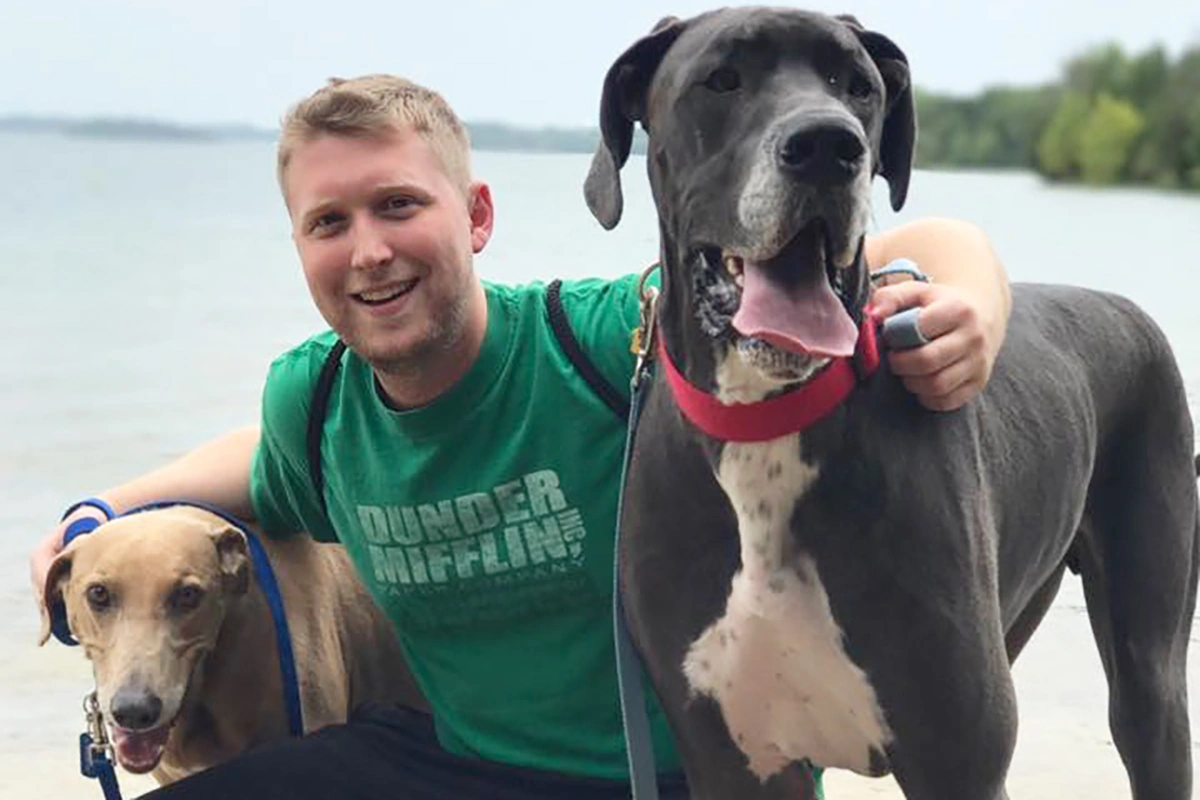
For both of my dogs, Greyson (a greyhound/Weimaraner mix) and Clyde (a Great Dane), medical care is the biggest expense I face. Here are several medical-related costs to keep in mind.
Routine exams and vaccinations
Your dog needs a physical checkup at least once a year. Because dogs age much faster than people, a lot can change in a single year. Annual exams give your veterinarian a chance to catch problems early before they escalate.
These visits are also when vaccinations for illnesses like rabies, bordetella and distemper are administered. The American Veterinary Medical Association (AVMA) provides a detailed list of vaccines your vet may recommend.
These appointments carry a cost. My routine annual checkups usually run about $50, plus vaccine fees, which vary by clinic.
Dental procedures
Let’s be honest: dog mouths can get pretty unpleasant. While brushing your dog’s teeth regularly is important, many dogs still develop dental disease. Poor oral hygiene can cause bad breath, tooth loss and even contribute to infections affecting the liver, kidneys and heart, reports VetStreet.com.
I’ve had Greyson, now 8, for around five years. In that time he’s required two dental cleanings and several tooth extractions at each procedure. The total cost for both operations approached $1,000. Greyson’s teeth are especially vulnerable because he inhales his food and shows little interest in chewing toys, so his teeth don’t get the natural cleaning that chewing provides. Not every dog will need this level of care, but when you adopt you’re taking a gamble since you can’t predict what health issues might show up.
Illnesses and injuries
Just as unpredictable as dental needs, sicknesses and accidents are common over a dog’s typical 10+ year lifespan, particularly as they age. Greyson has broken a leg jumping from a couch and requires periodic blood tests for hypothyroidism. He’s also been on anti-anxiety meds for separation anxiety. Clyde, in contrast, tends to eat other dogs’ leftovers and has dealt with worm infestations.
Because these issues can arise unexpectedly, I budget roughly $50 per month per dog, anticipating that at some point during the year I’ll need to cover extra vet expenses (and often more than once for Greyson). When adopting, you should be able to look at your finances and honestly say, “If a major medical issue happened, I could afford treatment.”
Medications
I used to chuckle when a friend said his dog took seasonal allergy meds. Years later I give Greyson Claritin. Like people, dogs sometimes need medication to stay healthy.
Common medications to plan for include:
- Allergy tablets
- Heartworm prevention (about $120/year per dog, depending on size)
- Flea treatments (about $120/year per dog, depending on size)
In addition to those, I’ve regularly given thyroid medicine, anti-anxiety drugs, pain relievers, arthritis treatments, steroids, ear cleaners and more. The key point: these medications add up financially.
Insurance
Given Greyson’s history of accidents and health issues, I eventually enrolled him in pet insurance. I chose a moderate plan with both advantages and drawbacks; I currently spend $35 a month on coverage through ASPCA.
Have I fully recouped that cost? It’s hard to say, but having insurance helps make surprise medical bills less crippling, which is comforting.
So if you adopt a middle-aged or older dog, or a pet prone to health problems, I strongly suggest researching pet insurance.
Food

Food represents another significant expense for my dogs. Before adopting, research the breed to anticipate food sensitivities and how large the dog may become.
Both of my rescues are fed a premium diet for health and allergy reasons, and because they’re large dogs they consume a substantial amount. I currently spend about $150 each month on dog food. That’s on the high side because Greyson and Clyde weigh roughly 90 and 150 pounds respectively and eat a salmon-and-sweet-potato formula.
Adjust that estimate based on your dog’s size and the brand you choose, but I do recommend buying quality food to promote long-term health. DogFoodAdvisor.com is a resource I trust.
Training
A well-trained dog is a content dog. You’ll either need to invest time teaching your puppy or adult dog cues and manners, or enroll in formal training classes. Costs vary by format (group classes, private sessions, etc.), but PetSmart’s training rates offer a useful benchmark.
Your Living Situation
Do you own or rent? If you own your home, does it already suit a dog or will you need to make modifications? Expenses like or adding a dog door can become significant; while not mandatory, a fenced yard and small home updates can greatly enhance a dog’s life.
If you rent, you’ll face extra costs. Many landlords require a pet deposit, often non-refundable. In my experience deposits have ranged from $200 to $1,000.
Additionally, many rentals charge monthly pet rent, frequently based on weight. I’ve paid $25, $35 and $50 monthly for Greyson in past residences.
One expense you don’t want to ignore is damage caused by a misbehaving dog. Carpets can be soiled, furnishings chewed, and in severe cases doors and walls can be damaged. Proper training should reduce these risks, but remember that accidents happen.
Additional Care Costs
For many trips you’ll need to leave your dog with a caregiver. While friends or family sometimes pitch in for free, you may need to pay for boarding. Boarding rates depend on the facility and amenities; I’ve paid over $100 per night for Clyde before, which quickly becomes costly over several days.
Beyond boarding, consider your workday. If your dog is alone for long stretches, you’ll need to budget for doggy day care or a dog sitter/walker to ensure your pet isn’t left unattended for too long.
Toys, Gear and Other Supplies
Dogs are more intelligent than they’re often given credit for. They need ample stimulation, so plan to supply a rotation of toys: ropes, plush toys, Kongs, antlers or safe chew bones, frisbees, balls and so on. Some toys are durable, but others get destroyed fast; expect to replace items regularly.
Greyson is not very toy-motivated, but Clyde, at around 150 pounds, chews through toys quickly.
It’s not just playthings—dogs need a leash and collar, food dishes, brushes, beds and crates, along with some whimsical items you wouldn’t anticipate. For Greyson’s arthritis I once splurged on a $65 Tempur-Pedic dog bed. It might seem over the top, but once a dog captures your heart you’ll justify similar “extravagances.”
Other recurring costs include annual licensing, replacing tags when you move, and grooming fees if your dog’s coat needs regular upkeep.
Time
The final investment is your time. I’ve missed workdays to care for Greyson and Clyde during emergencies. I’ve also skipped social outings because I couldn’t leave them alone for long. While not a monetary cost, it’s an important factor to weigh.
And yet, it’s completely worth it. There’s no affection quite like a dog’s, and I’ve never regretted a single dollar or hour spent caring for Greyson and Clyde. Dog guardianship can be pricey (I’ve spent more than $10,000 over Greyson’s lifetime), but I wouldn’t trade the experience for anything.
If you’re financially prepared to adopt and offer a loving home to a dog in need, I strongly encourage you to do so. If the expenses seem out of reach right now, consider setting up a savings plan and adjusting your budget; over time those savings can mean saving a dog’s life — and it’s worth every cent.
If asked about his primary role, Michael Hart would likely say, “Dog dad.” When he’s not tending to his dogs or hiking with his partner, Michael spends his time writing, reading, editing or enjoying a cold beer with friends.