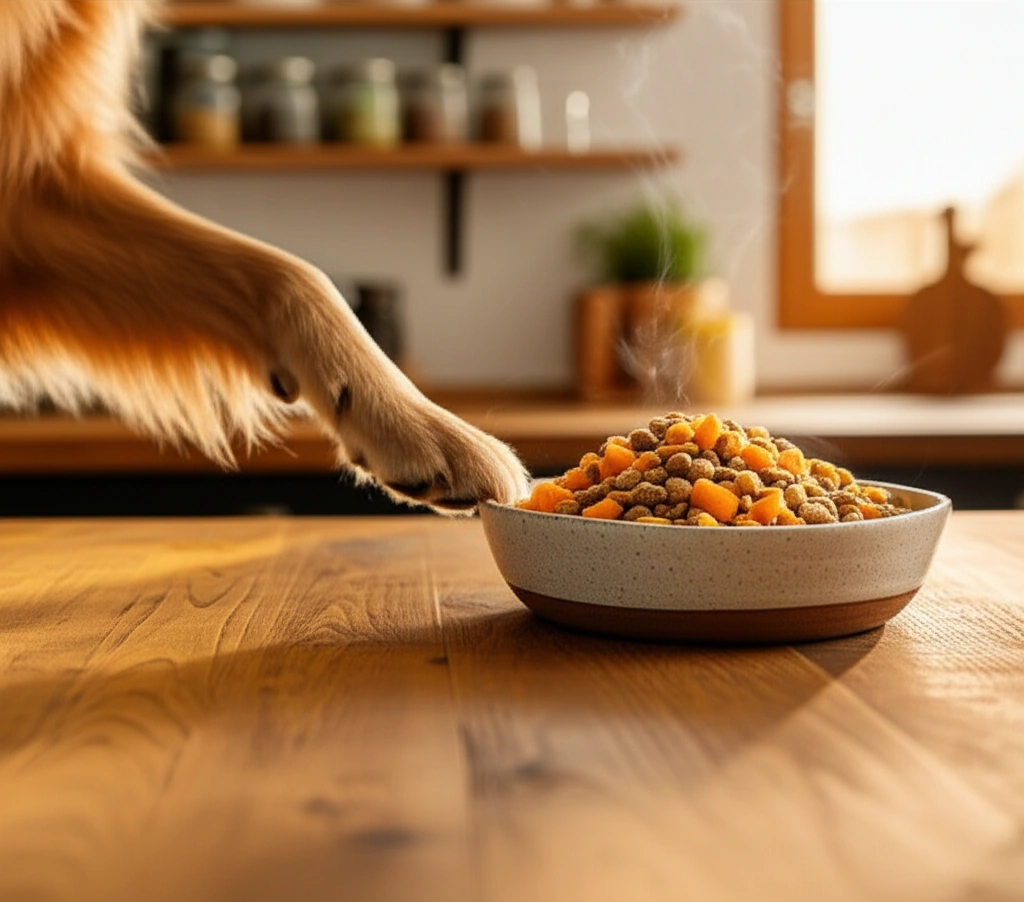
Ever found yourself pacing the kitchen at night, dog at your feet, both of you staring at a bag of kibble and silently wondering: “Is this what’s really best for your dog’s gut?” Trust me, you’re not alone—with so many brands claiming to be the best dry dog food for gut health, it can make your head spin faster than your pup chasing a squirrel in the park.
But let’s cut to the chase. The right food can mean the difference between belly rubs and belly aches. If your furry friend has dealt with messes, gurgly tummies, or those dreaded “midnight trips outside,” you know just how real this struggle is. Let’s sort through the jargon, myths, and anxiety, and get right to what your dog—and you—really need.
Why Gut Health Matters
The gut. It’s like your dog’s backstage manager—calling the shots on digestion, immune strength, and even mood (yes, really!). A healthy gut helps your best bud digest food like a champ, keep bad bugs at bay, and strut around with energy and confidence. But when the gut’s unhappy? Oh, you’ll know: stinky farts, mushy poos, upset stomach, even itchy skin or lackluster coat. All that starts from the inside out.
Little things—poor-quality food, common allergens, an overload of additives, or a sudden change in diet—can tip the balance in your dog’s belly. Sometimes, like us after a late-night drive-thru splurge, it’s just a sensitive gut that needs a little extra TLC. Other times, it hints at something serious. Either way, gut health is where it all begins.
What Makes Food “Gut Healthy”?
Let’s picture the ideal bowl of the healthiest dry dog food. If you want your pup’s gut to be a happy camper, look for:
- Real, digestible protein: Think deboned chicken, salmon, or even novel proteins like duck and venison—nothing mysterious or over-processed, please.
- High prebiotic fiber: Ingredients like chicory root, beet pulp, or psyllium husk work wonders for keeping things… well, regular.
- Probiotics: These friendly bacteria, such as Bacillus coagulans or Lactobacillus, settle into your dog’s gut and support a healthy microbiome. Some foods toss these in right after cooking, so they’re actually alive when your pup eats ’em.
- Low on the junk: Skip artificial colors, flavors, or preservatives, and keep fat and cheap fillers to a minimum.
Sound complicated? Not at all. Just imagine you’re at the store, picking something for a friend you care about (because, let’s face it, they are family). Check the label, flip it over, and see if you recognize what’s in there. If the ingredient list reads like a science project, maybe pass it by.
Reading the Bag: Ingredients & Labels Explained
Switching foods without reading the fine print is like going on a road trip with no map. Here’s what actually matters:
- Easily-digestible proteins: These give your pup energy and help their body repair and grow. Chicken, salmon, and even duck or venison (for sensitive dogs) are good picks. If you see something like “beef by-product meal,” that’s often less digestible.
- Prebiotics and fiber: Fancy terms aside, chicory and beet pulp get the job done. Psyllium keeps the plumbing running smooth—think of it like the world’s best doggie drain cleaner!
- Probiotics: Look for strains like Bacillus coagulans or Enterococcus. They’re not just a health fad—there’s research showing they can calm upset tummies and improve stool qualityaccording to the AKC.
- Omega-3s and antioxidants: Salmon oil, flaxseed, and bits of carrot or blueberry help with stool quality, shiny fur, and less scratching.
- No artificial weirdness: If it sounds like something from a chemistry set, maybe your pup doesn’t need it.
And a quick word about labels: If the food says “complete & balanced” and meets AAFCO nutrition standards, that’s a pretty solid start. Each pup is unique though (like us humans with our weird food quirks), so there’s no true “one-size-fits-all.”
What To Skip (And Why It Matters!)
Let’s get honest: not all kibble is created equal. Some are packed with fillers or harsh additives that can turn a sensitive gut into a battlefield. Want a shortcut? Check popular lists of dog food brands to avoid—brands with lots of recalls, sketchy sourcing, or more lawsuits than a reality show are probably best left on the shelf.
And about trends: a lot of folks ask if “grain-free” is always better. Surprisingly, unless your veterinarian specifically recommends it, most healthy pups do just fine with wholesome grains like brown rice or oatmealaccording to Dog Food Advisor. Sometimes, skipping grains for no reason can throw your dog’s diet off balance, so always double check before jumping on the latest fad!
Top Picks: Best Dry Dog Food For Gut Health
Now to the elephant in the kitchen—what brands are actually worth it?
What makes a winner? For me, I look for foods vetted by actual veterinary nutritionists, formulas with clear labeling, and added prebiotics/probiotics that are still intact when the bag makes it to your pantry. Oh, and of course, the taste test. (I let my pup decide that part!)
| Food | Protein Type | Prebiotics | Probiotics | Fiber Source | Ideal For | Vet Recommended? |
|---|---|---|---|---|---|---|
| Merrick Healthy Grains Gut Health | Deboned chicken | Chicory root | Yogurt cult. | Brown rice, oatmeal | All adult dogs | Yes |
| Instinct Raw Boost Gut Health | Cage-free chicken | Chicory root | Freeze-dried probiotic blend | Potato, peas | All breeds | Yes |
| GO! Solutions Digestion + Gut Health | Salmon | Chicory root, psyllium | Bacillus coagulans | Oats, quinoa | Puppy/adult/senior | Yes |
There are others—like some formulas from royal canin dog food that are vet-prescribed for especially tricky bellies. But these listed are all “over-the-counter” (meaning, no script required), super digestible, and designed with gut balance as the goal. Now, if you’ve got a big galoot or a teacup-sized furball at home, no worries—I’ll cover that just below.
Picking For Size: Large And Small Pups
Big dogs, little dogs: their bellies don’t always play by the same rules. Larger breeds often need food with joint support (think added glucosamine), while smaller pups benefit from kibble that’s both bite-sized and nutrient dense. Both, though, deserve a formula that keeps their guts as peppy as their tails.
For your small sidekick? You’ll want to look at the best dry dog food for small dogs. These diets have the right-sized crunch and balanced nutrition to help even an anxious Yorkie’s stomach stay settled.
How To Switch (Without The Drama)
Confession: I once swapped my dog’s food overnight. Don’t do that. I learned—on carpet. What you want is a gentle transition: mix in the new food slowly over 7-10 days, watching for signs like loose stool or a drop in appetite. If things get messy, back up a step. Honest, slow-and-steady will win every race when it comes to gut health.
If your dog’s got a sensitive stomach, changes can be rough (sometimes literally!). It’s always smart to chat with your vet first, especially if your pup is already struggling with weight loss, lethargy, or anything worrying. Sometimes digestive upset is about more than food—underlying issues like pancreatitis, IBD, or enzyme deficiencies can lurk behind the scenesaccording to Sploot Vets.
Real-Life Success: Why This Stuff Matters
Want a quick story? My beagle, Pumpkin, went through every off-the-shelf dog food you can name. Nothing worked for her touchy digestion until I finally shelled out for a gut-health blend—loaded with gentle fiber, probiotics, no fillers. A week later, the change was real. Her coat gleamed, her “yard duties” turned, well, photo-worthy (“Who knew poop could make you proud?”). Most of all, she was finally comfy in her own skin. Sometimes it’s not about buying what’s cheapest—it’s about buying what actually works, and watching your dog thrive.
When To Level Up With Vet Diets Or Supplements
Gut not behaving, even after a food switch? That’s you, me, and every concerned dog parent who’s visited the vet at 3am. Sometimes, prescription foods (like those for EPI or chronic IBD) are the answer. Sometimes, a daily probiotic or enzyme boost can tip the scales toward better digestion. No shame in calling for backup. Your vet’s line is always open—for them, it’s about preventing trouble, catching sneaky illnesses, and keeping tails wagging.
Quick Tips To Remember
- Don’t hop brands every month “just to try.” Stability helps the gut flourish.
- Always check for recalls and choose foods with long, transparent track records. (Seriously, check those dog food brands to avoid now and then—it could spare you a headache.)
- If in doubt, less complicated is often better for fussy bellies. Keep ingredients simple.
Inspiring The Pack: You’ve Got This
I get it. You read labels, you second-guess, you just want your best buddy to thrive. Every paw print in the hall, every wagging tail—they’re proof of the care you show. Remember: trust your instincts, lean on credible vet advice, and tune into your dog’s subtle cues. If what you try doesn’t work, don’t be afraid to make a change. They depend on us, but the bond we share? That’s as healthy for our hearts as the food we buy is for theirs.
If you’re still scratching your head over the best dry dog food for gut health, or wrestling with a tough food decision, just know: you’re not walking this road alone. Try the options above, take your time, and watch your dog for the results that matter most—brighter eyes, silky fur, and, yes, much better poops. Want to swap stories or have a gut-health success? I’d love to hear what’s been working (or not) for your four-legged family. Because when it comes to dogs, every bite—and every belly—deserves our best.