The reality of the tampon shortfall is showing up at checkout lanes and in bathrooms across the country. Supply chain snags combined with inflation have made an already tricky time of the month even more stressful.
You’ve likely noticed roughly a 10% uptick in the price of your usual tampons. Maybe your preferred brand is out of stock and you’ve had to try a different option. Or perhaps you’ve driven from one store to another hunting for supplies. Even worse, if you’ve checked online tampon listings, you might have been shocked like the rest of us. Many items are unavailable on the internet as well.
The price increase on tampons — when you can actually track them down — is especially aggravating given the so-called “pink tax.” That phrase refers to the premium on products marketed to women versus similar items marketed to men. This includes hair care products, shaving cream, razors and deodorant, among other goods used by people of all genders.
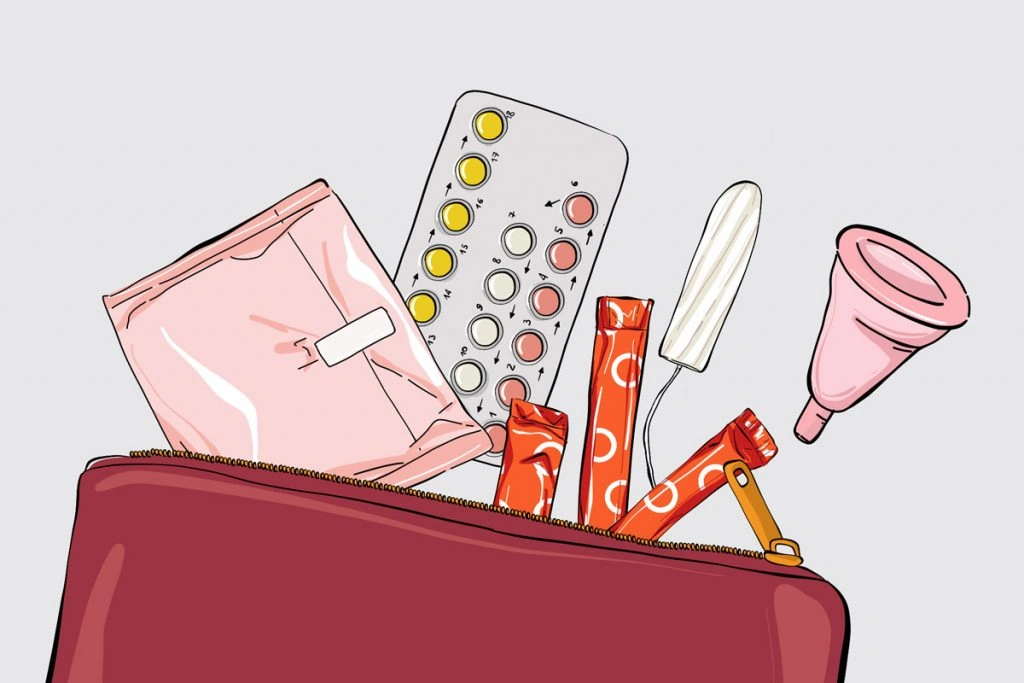
So, what can you do to get through the tampon shortage? We researched alternatives to tampons and compiled a comprehensive list.
Some choices, like the menstrual cup, have been around for decades and can save you up to $100 a year even when supplies are normal. Others, like period underwear, are newer and, while they require an initial investment, can be worthwhile for long-term savings.
5 Tampon Alternatives
We gathered five tampon alternatives and identified the most cost-saving picks, so review this list for options to carry you through the shortage. You might even decide to stick with the new product and keep saving money.
1. The Menstrual Cup
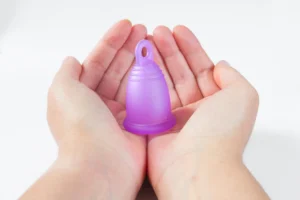
A menstrual cup is a reusable, bell-shaped device typically crafted from rubber or silicone. While the cup seems to be gaining popularity quickly, versions of this period solution have been around since the 1930s.
Easily ordered from Amazon or directly from brands like Saalt, Lena, Intimina, Super Jennie, and Moon Cup, these eco-conscious cups could transform your period routine. With proper care, most cups last up to 10 years.
With prices typically between $20 and $40, they’re an economical substitute for tampons. We did the calculations so you don’t have to.
A 36-count box of Tampax tampons is currently listed on Amazon for $30. According to the FDA, tampons should be swapped out every four to eight hours — that’s three to six tampons in a 24-hour span. If an average period lasts four days, that’s 12 to 24 tampons.
By month three, a menstrual cup can save you roughly $10 to $20. If you change tampons more often or have a longer cycle, your break-even point arrives sooner. Stretch that saving over a decade and it’s easy to see why the cup is financially savvy.
2. The Menstrual Disc
The menstrual disc is a saucer-shaped device, generally made of silicone. Although smaller than a cup, the disc is no less capable. It often has a higher capacity and a few other traits that can make it a better fit for some people. And yes, it’s also reusable.
Expect to spend around $35 to $40 when buying directly from brands such as Lumma, Flex, Cora, and Hello Disc, though some discs are available for less on Amazon.
Because these saucers are reusable, they’re a strong cost-effective choice versus tampons. We observed that discs often have a shorter recommended replacement window than cups — sometimes two to three years — but remain a money-saving alternative.

3. Period Underwear
Period underwear looks like everyday briefs, boxers or boyshorts but includes an integrated absorbent layer. After a quick rinse, they can be washed with your other laundry.
This tampon substitute may attract pad users who want a reusable solution but prefer not to insert cups or discs.
Per pair, period underwear costs between $12 and $38 from companies like Knix, Proof, Thinx, TomboyX, and Period. We also found a well-reviewed Innersy 3-pack for $21.99 directly from the maker or $25.99 on Amazon.
Because you’ll likely want several pairs for a single period, period underwear can be pricier upfront, but the investment may pay off over time.
4. Cloth Pads
Cloth pads are reusable menstrual pads made from natural fibers like cotton, bamboo and hemp. They often come in vibrant colors or playful prints, bringing a little cheer to an otherwise uncomfortable time for many people.
Prices typically run from $12 to $20 per pad and are sold by brands such as Aisle, Party Pants, Glad Rags, and Tree Hugger.
This tampon alternative is excellent for people with sensitive skin since reusable pads are free of chemicals and synthetic fabrics.
5. Disposable Pads
The classic starter option for many people. Disposable pads are typically constructed from synthetic or semi-synthetic materials.
Available in many sizes and styles — ultra-thin, maxi, overnight, scented or unscented, with wings or without, and anti-bunch designs — disposable pad pricing varies widely to match the choices.
Packs of 32 to 48 count can be found for roughly $7 to $10, making disposable pads the most budget-friendly tampon alternative in the short term.
And with eco-conscious brands like Cora and Joni, you can still feel good about your disposable pad choices.
Which Tampon Alternative Is Right For You?
Several helpful quizzes can point you in the right direction; key considerations include how much you want to spend, your personal preferences and what’s most convenient for your lifestyle.
Put a Cup In It provides product comparisons and a useful quiz to help you pick the right cup. Period Nirvana also offers easy-to-read charts comparing discs and cups and a quiz to help you find the optimal cup or disc.
With any tampon alternative you choose to manage during the shortage, follow the instructions and ensure proper care of reusable products.
Even once the shortage ends, many of us may not return to expensive tampons because we prefer saving money on period supplies. Period.

What You Need to Know About Tampon Alternatives
Here are three points to consider before purchasing tampon alternatives.
1. Tampon Alternatives are (Mostly) Cost Effective
Even without a shortage pushing tampon prices up, most alternative menstrual products are economical from the start, while others need an initial outlay but deliver savings over time.
Especially right now, the most popular alternatives are likely to save you money. This is not only because tampons are pricier, but also because you might otherwise need to visit multiple stores to find them. With fuel costs up, avoiding extra trips is another way to trim expenses.
2. Tampon Alternatives are Safe
Some alternatives work similarly to tampons (if you know what we mean) but are made of medical-grade silicone, rubber or similar materials. Others act like pads but are washable and reusable.
Although many of us have relied on tampons for years, it may surprise you that alternatives can actually be safer because they’re less prone to harboring bacteria. When used and cared for as directed, they’re a safe and healthy option.
3. Tampon Alternatives are Environmentally Friendly
It’s nice to know that besides saving money, you’re also helping cut down on waste. Most alternative menstrual products are reusable, making them a smart pick for both your finances and the planet.
Although some reusable options include plastic elements, they can last up to a decade. So instead of discarding three to four single-use products a day — often made with up to 90% plastic and taking years to decompose — you’re reusing one (or a few) items with a much smaller environmental footprint.
Contributor Maria Reynolds writes about lifestyle topics from North Carolina.