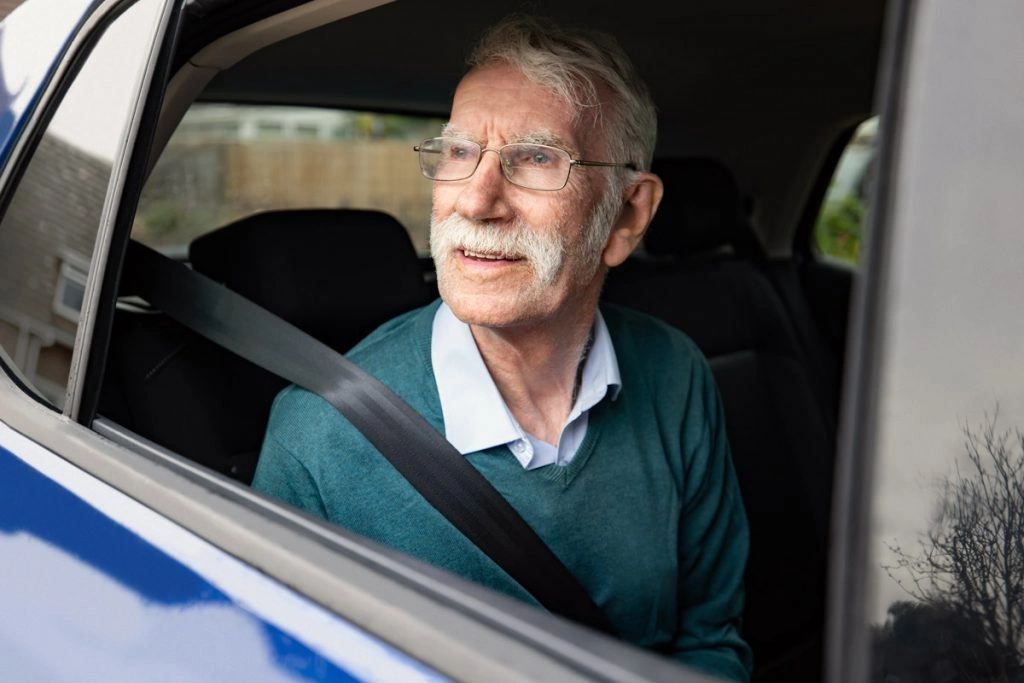
Roughly ten years ago, hopping into a stranger’s vehicle and directing them where to go would have been considered risky at best. But with the advent of rideshare platforms like Uber, Lyft and others, that scenario has become commonplace. These services bring many perks: they’re often less costly than conventional taxis, they operate ubiquitously, and they can take you virtually anywhere.
Couple the rideshare revolution with more traditional transit choices, and people are more mobile than ever, with a wide array of travel alternatives. Of course, nearly all of these options require spending money. Fortunately for older adults, there are numerous ways to cut costs while getting from point A to point B.
How to Score Senior Discounts on Ridesharing Apps
The major rideshare providers each run their own apps, and if you know where to look, there are many opportunities to save.
When using these apps, watch for promo codes and special offers that can lower your fare. In past promotions, both Lyft and Uber have promoted codes that provided seniors with around 10% off when applied in the app. These codes aren’t always active, so keep an eye out for fresh campaigns.
Lyft
Lyft doesn’t maintain a universal senior discount for its standard rides, but through the Lyft Up program, older adults can access reduced fares for trips to work, grocery stores and medical appointments.
Lyft’s membership plan, Lyft Pink, also delivers savings beyond its usual discounted rides, with plans starting around $9.99 per month. For those who travel frequently or have busy calendars, Pink can lead to significant savings.
You can also contact Lyft by phone to request drivers who are experienced with or attentive to seniors. Lyft has teamed up with companies like Lively Jitterbug to make the service more senior-friendly.
Uber
Analyses comparing Lyft and Uber have found that Uber often comes out cheaper on average — for example, one comparison showed Uber averaging about $20 per ride versus Lyft’s $27. Beyond cost, Uber provides a wider set of programs and features aimed at older riders.
On Uber’s site, the company outlines benefits for seniors, including discounted fares. Uber also helps seniors arrange reduced-rate trips to medical visits through Uber Health.
Uber has also partnered with AARP to offer a Ride Pass option that assists those who may be uneasy using smartphones to arrange rides.
Gogograndparent
Gogograndparent links older adults to rideshare services and coordinates deliveries of groceries and prescriptions. It features a straightforward numbered menu and a live agent service to help customers choose the most affordable and convenient options. The platform also offers various financing options to help seniors manage costs.
Besides arranging rides, Gogograndparent integrates with delivery providers like Postmates and DoorDash to obtain items quickly when needed.
HopSkipDrive
HopSkipDrive, originally built to provide transportation for children and older adults, has been growing its footprint nationwide. They offer family-style plans and adaptable pricing that can benefit senior members of larger households. As a relatively new service still expanding, check their site to verify availability in your area.
Other Rideshare Discounts for Seniors
Medicare provides resources to assist older adults with getting around, such as NEMT (Non-Emergency Medical Transportation) programs, which supply free rides to health appointments. NEMT services are available in every state, including Alaska and Hawaii. One provider in this network, MTM, serves much of Florida.
Volunteer Driver Programs also offer complimentary rides. As the name implies, Volunteer Driver Programs rely on volunteers to transport seniors and are funded by a mix of companies, faith groups and charitable organizations. Such programs exist nationwide, ready to assist where you live.
Other Ways Seniors Can Save on Transportation
Seniors who still drive can find savings through organizations like AAA, which provides a range of discounts and services targeted to older adults, including deals at thousands of retailers.
Dial-a-ride services are available in many communities, typically run by local public transit agencies. These offerings, such as ACCESS LYNX in the Orlando region, operate similarly to rideshare systems: shuttles take passengers to requested destinations, allow scheduled pickups and often provide reduced fares for seniors.
With regular public transit, older riders can usually expect discounted rates. For example, Orlando’s Lynx system features an AdvantAge program that lowers fares for those 65 and up who present a valid Medicare ID.
Keep in mind that Orlando’s programs are only illustrative. Across the country, buses, subways, trains and taxis commonly offer senior concessions. Don’t hesitate to ask about reduced fares — transportation providers frequently have unique senior programs, so research public transit options where you live.
If driving is no longer possible, many local governments provide free transport options as well. These typically require documentation, such as a physician’s note and proof of income, but such services are available in both rural communities and urban centers.
Additionally, older adults should explore early senior discounts that might apply to transportation and other services to maximize savings.