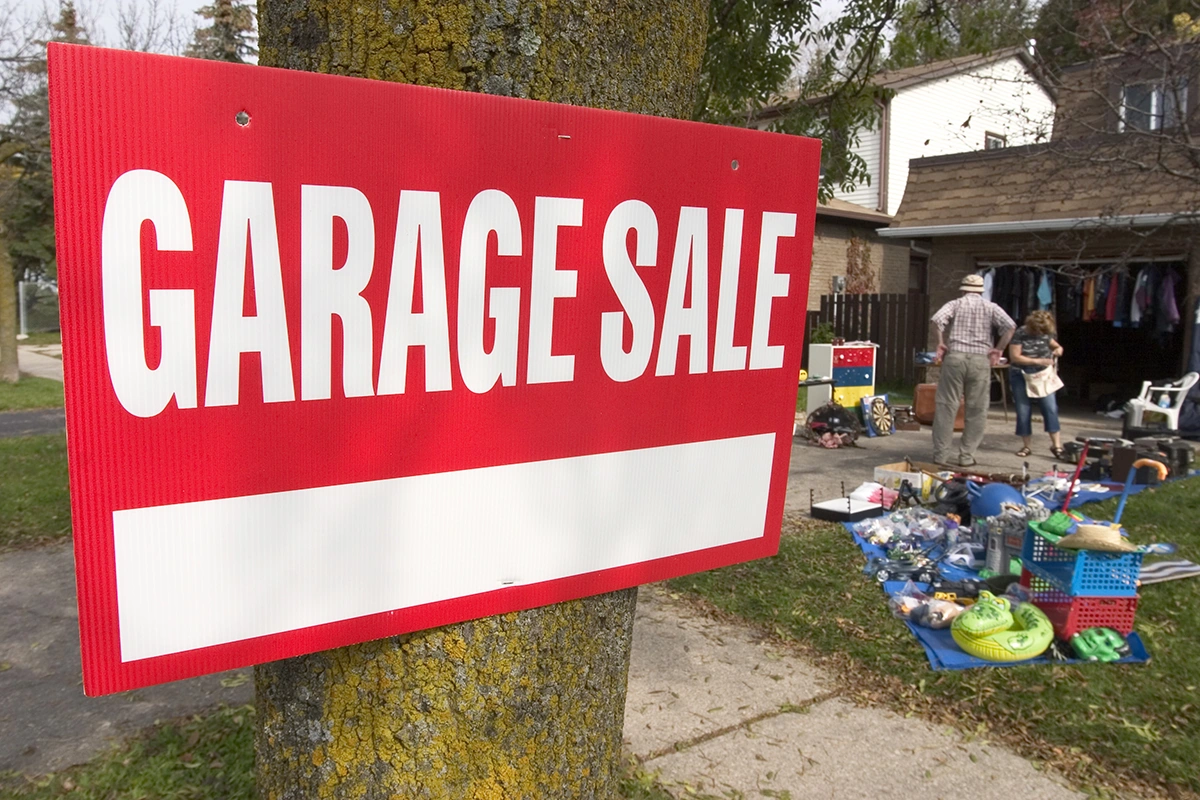
Just because something carries a bargain price at a garage sale doesn’t mean it’s a smart purchase. There are certain items you should never bring home from a yard sale, no matter how tempting the price tag.
Not every thrifted treasure is truly a good deal, and some secondhand goods can even put you and your household at risk.
Here’s What You Should Avoid Buying at a Garage Sale
Avoid these things when shopping at garage sales, thrift shops and other venues that sell pre-owned goods.
1. Cribs and Playpens
Many parents use cribs, playpens and similar infant equipment for only a short period. It might seem practical to pass these items on at a garage sale, but don’t buy used baby furniture.
Older models may be missing key safety features, and some vintage cribs have dangerous design issues, such as slats that can trap a child’s head. Materials also deteriorate over time and can break more easily when a toddler tugs on them.
2. Car Seats
Most authorities advise steering clear of used car seats unless they come from a reliable friend or family member.
When you buy a seat at a garage sale, you don’t know its full history. With something as critical as child safety gear, it’s not worth risking it. A seat that was in a crash could be structurally compromised and might not provide adequate protection.
Also, older seats may lack the latest safety enhancements, so choose a current model and make sure it’s installed correctly. Many local fire stations will inspect car seats to confirm proper installation.
This is an essential purchase that doesn’t have to be expensive. Here are ways to save on car seats instead.
3. Helmets
Whether for biking, skiing, skateboarding or motorcycling, buy helmets new. Any previous impact can weaken a helmet’s protective structure, and a used helmet could have been involved in an accident without your knowledge. For this reason, get a new head protector.
Some communities offer programs to distribute free helmets to children — for example, Seattle provides such opportunities. Check local resources to see if you can obtain one at low or no cost.
4. Mattresses and Upholstered Furniture
Sleeping on a mattress of unknown origin is unpleasant, but an even worse possibility is bringing bed bugs into your home.
A single infestation can lead to pest-control bills that exceed $1,500, and bed bugs are notoriously difficult to eradicate, often requiring repeat treatments.
Used mattresses and upholstered pieces may also harbor mold, persistent stains and odors that are nearly impossible to remove. For these reasons, it’s wise to pass on these garage-sale bargains, no matter how low the price, as USA Today suggests.
5. Shoes
Those stylish shoes at a yard sale might look appealing, but used footwear can harm your feet. Secondhand shoes are already shaped to the previous owner’s feet, and wearing them can lead to discomfort or injury.
Used athletic shoes often lack sufficient support and may be worn out, so it’s generally better to buy sneakers new, according to USA Today. The rare exception is a lightly used pair that still shows plenty of life.
6. Kitchen Appliances
Personal finance expert Dave Ramsey warns shoppers to be cautious before picking up a cheap blender, toaster or coffee maker at a sale.
Older appliances can pose fire risks. Blenders may have dulled blades, and these items might wear out quickly, leaving you with another expense soon after purchase.
7. Tires
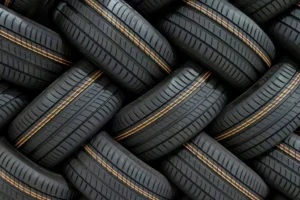
Your safety depends on good tires, so it’s sensible to buy reliable, quality sets. Used tires might have little tread, be subject to recalls, or be deteriorating.
It’s hard to know what exposure a tire has endured — it may have sat outdoors in harsh cold, baked in sun, or been part of a collision. For these reasons, new tires are the safer choice.
8. Hats
Hats are difficult to sanitize completely, and garage-sale finds are seldom fully hygienic. A secondhand hat can carry skin flakes, sweat and hair products.
Unless you can thoroughly disinfect it — for instance, a cotton beanie you can launder — it’s better to pass on used headwear.
9. Baby Bottles
Older baby bottles were sometimes made with BPA, which was later deemed unsafe and banned by the FDA for bottles and sippy cups.
Bottles can also develop cracks, and their history is often unknown. It’s best to buy new, safe bottles, or at minimum receive them from a trusted friend or relative.
10. Worn Cookware
Garage sales can yield cookware bargains, but avoid pieces that are visibly worn. Rusty pans or cookware with peeling nonstick coatings can shed fragments into your meals, which is unappetizing and may pose health concerns.
11. Clothes That Don’t Fit
Always try on clothing before buying at a garage sale. If an item doesn’t fit well, consider the cost of alterations unless you’re handy with a sewing machine.
A cheap dress can become costly if you need to pay a tailor to make it wearable.
12. Makeup and Fragrances
Even boxed or seemingly new cosmetics and perfumes are best avoided at garage sales. These products can expire and degrade over time. Opened items are particularly risky and can harbor bacteria.
This category can be a gray area — some people will even recover cosmetics from dumpsters — but generally it’s safer not to buy.
13. Stuffed Animals
Although stuffed animals might seem like an easy way to delight a child, think twice before bringing plush toys home. While some shoppers — including Savinly readers — consider garage-sale stuffed toys a goldmine, others are wary.
Stuffed toys can harbor pests, according to Reader’s Digest. Many of these items can’t be washed at temperatures high enough to kill potential bugs or bacteria. Inspect any plush item carefully before buying.
Check for Recalls
Retailers typically receive manufacturer notifications about recalled or unsafe products. People selling a few household items from their garages do not get those alerts.
Before you buy something at a garage sale, verify it hasn’t been recalled for safety or other reasons.
The U.S. government maintains a website you can use to check for recalls, so take a moment on your phone before making a purchase.
Keep in mind that not every recalled item will necessarily appear on that site. When in doubt, contact the product’s manufacturer to confirm whether any recalls apply before you commit to buying.