
So you’ve decided to relocate your life to a different city. Congratulations on embarking on this thrilling new chapter!
Before you box everything up and head out, there are practical steps you should take to ensure you can afford the transition. The excitement of a fresh start is wonderful, but you don’t want moving expenses or daily costs in your new hometown to overwhelm you.
Add these six actions to your checklist when moving to a new city.
1. Investigate the Cost of Living
Everyday expenses vary widely — from Lansing, Michigan to Los Angeles, or from St. Petersburg, Florida to Seattle. When you plan your move, be sure to account for shifts in the cost of living — especially if you’re moving to a different part of the country or from a smaller town to a big metropolitan area.
Free cost-of-living tools (for example, this calculator from Payscale) can offer a general sense of how expenses compare and the income you’d need to maintain a similar lifestyle.
Dig deeper into particular budget categories to supplement that research. Browse rental or real estate listings to estimate housing expenses. Look up grocery store flyers for the zip code you’re moving to for food costs. Call your auto insurer and other providers to request quotes for your new location.
Pull out your current budget to spot other sizable monthly costs. If you have young children, research child care prices in your new area. If you eat out frequently, peruse restaurant menus online to estimate dining expenses.
2. Figure Out Your Net Pay
Often a move comes because of a job offer. Ideally, you’ve locked in employment before relocating and negotiated a reasonable salary based on your education, experience and regional market rates. (And be sure to inquire about relocation assistance from your new employer!)
After you know the salary number, convert it to your actual take-home pay. That’s the cash you’ll use each month to pay bills, purchase essentials and enjoy a little fun.
Free paycheck calculators (like this one from ADP) can estimate how much you’ll receive after taxes, Social Security, Medicare and other deductions.
If you’re moving without a confirmed position, your top priority should be finding work in your destination city so you don’t drain your savings or accrue debt covering living costs. Consider temporary side gigs while you search. Also widen your search to remote roles if local opportunities in your field are scarce.
3. Create a Moving Budget
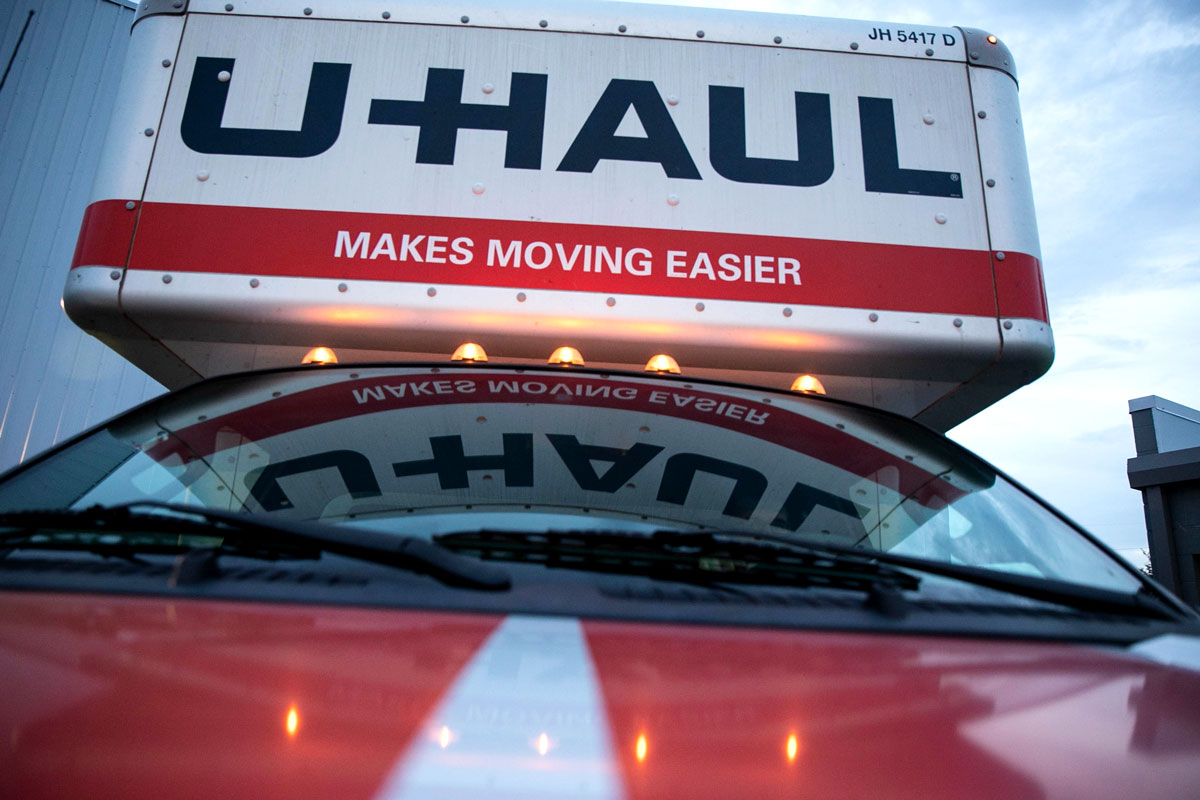
The process of relocating itself can be pricey. Whether your destination is a few counties away or across the nation, budget for all the related costs, which may include:
- Boxes and packing supplies: Retailers like U-Haul and Home Depot typically sell moving boxes for around $1 to $2 each, plus items like packing tape and padding. To cut costs, reuse boxes you already own, ask friends for extras, or request discarded boxes from local businesses.
- Rental truck: Renting a small truck for a local move might run $20 to $40 plus mileage and fees. If you’re relocating across state lines, a one-way drop-off could cost several hundred dollars.
- Moving professionals: You might find rates as low as $25 per hour per mover for a local job, or you could pay thousands to transport belongings long-distance.
Settling into a new rental also brings upfront expenses. Include these in your moving plan:
- Application fees: Expect to pay at least $25 to $50 per rental application, though costs can be higher depending on the market.
- Security deposit: Landlords often require a deposit equal to one month’s rent to cover potential damage or unpaid rent.
- First (and sometimes last) month’s rent: You’ll usually need to pay the month’s rent before receiving keys — prorated amounts may apply if you move mid-month. Some property managers also request the last month’s rent upfront.
- Pet fee/deposit: If you’re bringing a pet, move-in charges could include a couple hundred dollars in extra fees or deposits.
- Utility deposits: Utility providers often require a (generally refundable) deposit to set up service, with amounts that can depend on your credit history. Excellent credit might exempt you from this.
- Installation charges: Setting up internet or cable usually adds an installation fee to your first bill.
If possible, give yourself plenty of time to save for moving into a new apartment.
If you’re considering buying instead of renting, our homebuying guide will walk you through the process. Spoiler alert: it typically requires more time, money and paperwork than renting.
4. Sell Items You Don’t Need Before Moving
Trim down your belongings to lower moving expenses and earn some helpful extra cash. After all, it doesn’t make sense to haul that lamp you despise to your new place.
While packing, set aside anything you don’t use or like — and anything that’s damaged or missing parts. Be honest about whether you’ll repair or ever use these items again.
Divide these items into groups for trash/recycling, donation and sale. You can sell things online via Craigslist, Facebook Marketplace and OfferUp.
Alternatively, host a garage sale to move unwanted items and make a bit of money back.
5. Plan Your Daily Commute
As you settle into your new home (or even before you arrive), plan how you’ll commute to work, school or other regular destinations. Daily commuting expenses can feel small individually, but they add up fast.
To estimate fuel costs, divide the gas price in your new city by your vehicle’s miles per gallon (mpg). Multiply that result by the monthly miles you expect to drive for a rough monthly commuting cost.
Keep in mind this estimate doesn’t include parking, tolls, wear-and-tear on your vehicle or swings in gas prices and mpg, so treat it as conservative.
To save money, consider alternative commute options, such as biking (if you live close enough) or using public transportation.
6. Discover Affordable Activities in Your New Town

Relocating to a new city can quickly eat into your savings. If you’re eager to explore local sights, sample neighborhood eateries and attend events in your new hometown, be strategic so you don’t further deplete your bank balance.
Pick free or low-cost activities while you get acquainted. Stroll through downtown or other neighborhoods of interest (or join a guided walk) and check out local shops, murals and parks. The visitors center is useful for learning about popular destinations and yearly events — even if you’re not visiting as a tourist.
Look for deals on sites like Groupon and LivingSocial for discounted experiences nearby. Museums and attractions may have resident discount days or lowered admission; check their websites or call to ask.
Want to sample the city’s top-rated restaurants? Use happy hour specials, order smaller plates instead of entrees, or eat lunch instead of dinner to avoid overspending.
Getting involved in your neighborhood through volunteering, taking a library class or attending a Meetup with locals who share your interests is another budget-friendly way to settle into your new city.
Also, if you’re considering an international change of pace, see our guide on moving to mexico for practical tips.
Laura Mitchell is a senior writer at Savinly.