Hey, have you ever felt like your home is just drowning in stuff? Like every drawer, every shelf, every corner is filled with things you barely use or maybe even don’t really want anymore? Trust me, I’ve been there. The good news is, switching to minimalist items for home isn’t about turning your place into a stark, boring showroom—it’s about clearing the chaos and keeping only what genuinely serves you and brings joy.
So, if you’re curious about what minimalist home essentials really mean, or how to start decluttering without feeling overwhelmed, you’re in the right spot. Let’s dive in, with a chill, down-to-earth chat that’ll have you feeling inspired (not judged or pressured) to create a calm, comfy space you love.
What Minimalism Means
Minimalist Items For Home — The Real Deal
Minimalism isn’t about having just a few things. It’s about intentionality—being thoughtful about what you keep around. The idea is to own items that serve a clear purpose, preferably versatile and good quality, so they last longer and do more. Instead of “stuff for stuff’s sake,” it’s “stuff that actually makes my life easier or better.”
Think about your favorite chair or your go-to coffee mug—they earn their keep because you use them daily or they make you happy. Compare that to random kitchen gadgets you bought on sale, then forgot about… Those are the first candidates for a minimalist purge.
Balancing Benefits And Risks
Why go minimalist? For starters, less to clean and organize means less stress. A tidy space promotes mental clarity and calm. Plus, owning fewer things can save you money and free your time.
But hey, it’s not all rainbows. There’s a risk of feeling regret when you get rid of something useful (like that random lid that fits your obscure pot), or feeling the pinch in everyday life when you don’t have enough options. The trick? Start slow, keep essentials handy, and even try a “trial box” for things you’re unsure about—box them up, and if you don’t miss them after a month, you can let them go guilt-free.
Room‑By‑Room Essentials
Let’s break down minimalist items for home by room so you get a clear picture—and maybe even your own 100 items minimalist list in mind!
Living Room
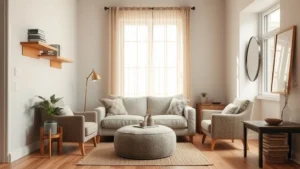
Your living room’s the heart of your home. Minimalism here means comfort without clutter:
- Seating: One good couch or comfy set of chairs that you love and use.
- Tables: Maybe just a coffee table or side table—no need to fill the room.
- Lighting: One or two lamps for coziness, nothing over the top.
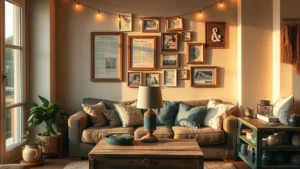
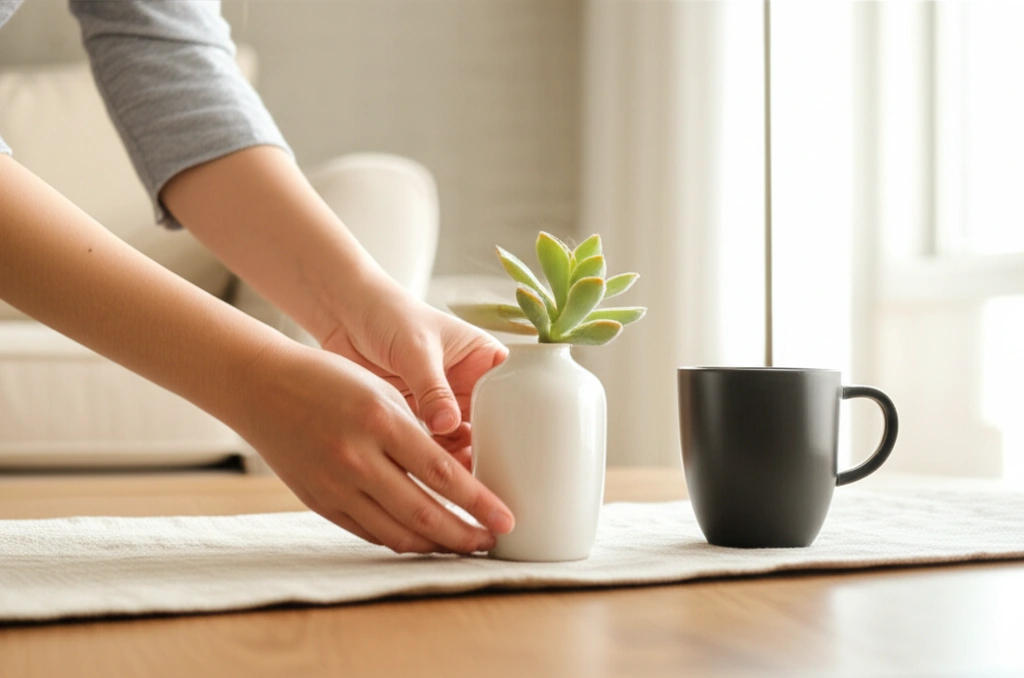
- Decorations: Keep it simple—one art piece, a plant, or a photo that makes you smile.
Clear surfaces are key. If it doesn’t belong there or isn’t beautiful or useful, it’s probably time to rethink it.
Bedroom
This is your sanctuary, so essentials here will focus on rest and calm:
- Bed: Quality mattress and bedding are non-negotiable because, hey, sleep matters a lot.
- Furniture: One dresser or wardrobe that fits your clothing minimalist essentials list.
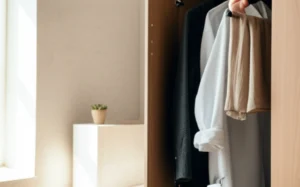
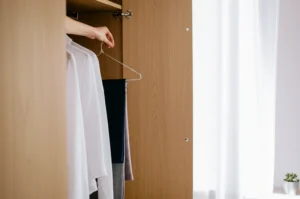
- Wardrobe: Many minimalist enthusiasts swear by a capsule wardrobe—think a handful of versatile, good-quality clothes like simple tees, jeans, and sweaters. It’s a game-changer. Check out minimalist lifestyle clothing for ideas that mix comfort with simplicity.
Kitchen
Kitchen clutter? The most common complaint! Here’s what minimalist items for home look like in cooking territory:
- One or two versatile pans
- A quality chef’s knife (trust me, it’s worth it!)
- Essential cookware: pot, cutting board, basic utensils
- Simple, matching plates and cutlery sets
- Appliances? Only the ones you really use—no need for a million gadgets you only dust off yearly.
When you’re ready, build your minimalist kitchen gear thoughtfully—quality over quantity means better food and less waste.
Bathroom & Laundry
Here, minimalist means decluttering your essentials without giving up comfort:
- A set of towels—maybe two per person is enough
- The basics for personal care (you probably don’t need 10 kinds of shampoo)
- Cleaning supplies that do the job well without crowding your space
Home Office
If you work or study at home, your office should support focus, not distraction:
- A reliable computer or laptop
- One desk that fits your needs comfortably
- A good chair (your back will thank you)
- Simple cable management and minimal accessories
Entryway & Storage
The first thing you see when you walk in sets the vibe. Keep it minimal with:
- Practical key trays or bowls
- A couple of hooks for coats
- One small shoe rack that fits your daily shoe collection
Practical Lists To Help You Get Started
If you love a good checklist (who doesn’t?), there are some fantastic resources out there. For example, a well-structured 100 items minimalist list can inspire you without overwhelming. It’s not a “must-have” list, but a guide to help you think about what counts.
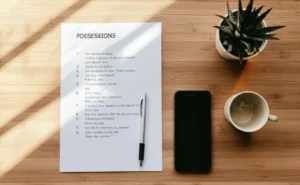
Counting and organizing what you own also helps. Creating a minimalist possessions list is a neat way to keep track and start prioritizing items you truly value. Group similar things together to see patterns and identify what could go.
Speaking of things to let go, a minimalist list of things to get rid of is perfect for inspiration when you’re stuck or sentimental. Spoiler: If you haven’t used it in a year, it’s probably safe to say goodbye.
Decluttering One Step At A Time
Trust me, decluttering your entire home in one weekend usually feels like a marathon gone messy. So here’s a simple method I swear by: Remove, Sort, Evaluate, and Restore.
- Remove: Clear a drawer, a shelf, or one corner completely.
- Sort: Group what you find into “keep,” “donate,” and “maybe.”
- Evaluate: Ask yourself—Did I use this in the last year? Do I love it? Does it serve a purpose?
- Restore: Put back your essentials neatly. Consider what storage helps keep clutter at bay.
And if you come across things you’re unsure about, toss them in a box and hide it away for a month or two. If you don’t miss those items, farewell! It beats the guilt of tossing something you may have rushed on.
Smart Buying Habits To Stay Minimalist
Once your home is calm and your life lighter, the real challenge is not bringing back old habits. So here’s a checklist before you buy anything:
- Do I need this or just want it?
- Can it do more than one thing?
- Will it last a long time or just a season?
- Will it bring me joy or just fill space?
Remember, investing in good shoes, a sturdy jacket, or a knife that never dulls pays off. Minimalism isn’t about cheap replacements; it’s about smart investments.
Expert Tips And Real-Life Wins
People who’ve embraced minimalist items for home often talk about how their stress went down, their creative energy went up, and even their wallets thanked them. According to experts at Zen Habits and The Minimalists, the goal really is about living intentionally rather than suffering deprivation.
One story that always sticks with me is of a minimalist woman who counted all her possessions—about 288 items. She grouped some things, cheated a little on counting clothes, but the real takeaway wasn’t the numbers—it was how aware and grateful she became for what she had. That’s the heart of minimalism.
Comparison Table: Minimalist vs Typical Household Essentials
| Category | Minimalist Home | Typical Home |
|---|---|---|
| Furniture Pieces | 3–6 key pieces (bed, sofa, table) | 10+ pieces, often duplicate or rarely used |
| Clothing | 20–50 versatile garments | Closets full, multiple “special occasion” items |
| Kitchenware | Essential pots/pans, utensils, 2–4 appliances | Many gadgets, appliances rarely used |
| Cleaning Time | 30–60 minutes per week | 2–4 hours weekly |
| Storage Needs | Small, efficient, tidy | Large closets, many bins |
See the difference? Minimalist homes make life lighter in so many ways.
Your Next Steps
Feeling inspired to give it a shot? Start with one drawer, or just your wardrobe. See how liberating it feels to own less and appreciate more. Remember, it’s not about perfection—there’s no one right way. What works for me might not be your vibe, and that’s totally okay.
Try counting your essentials or exploring a minimalist possessions list to see what you truly need, and use a minimalist list of things to get rid of to start shedding the extras. You might discover a new sense of peace in the process—you deserve it.
Minimalist items for home are really about making space for what matters most to you. Curious to hear: What’s one item in your home you think you can’t live without? And one you’re ready to say goodbye to? If you have questions or want more tips, I’m here to help you figure this out!