Year after year we witness record-breaking heat waves worldwide, particularly scorching across the South and the western regions.
These abnormally warm summers are likely to continue. As NASA climatologist Gavin Schmidt told the Washington Post in 2022, “There is no going back.”
Higher temperatures bring more severe and hazardous weather, less comfortable days wherever you live, increased risk of heat-related illness and fatalities and — yes — bigger energy bills.
With ongoing inflation, finding ways to trim energy use and keep utility expenses down is essential. Short of shutting off your AC and hoping for a cool breeze through open windows, what practical steps can you take to lower your electricity bill?
19 Ways to Reduce Your Utility Expenses
- Replace air filters and keep vents clear
- Shift the thermostat during the day
- Lower the water heater thermostat
- Buy fans
- Make unplugging a habit
- Purchase blackout curtains
- Inspect ducts and the attic
- Use energy-efficient light bulbs
- Shorten dryer cycles with dryer balls
- Upgrade to efficient appliances
- Explore options from your power provider
- Apply caulking
- Adopt water-conserving routines
- Use the dishwasher when you have one
- Reduce water per flush
- Optimize how you wash laundry
- Watch for leaks
- Install low-flow showerheads and faucets
- Run appliances overnight
Utilities are services that keep your home functioning, primarily water, electricity and gas. Some people also consider phone and internet services utilities, but we’ll focus on the first three.
Because electricity is often the bill that balloons — especially with soaring temperatures — we’ll begin with tips to lower electric costs. If you use gas for heating or appliances, many of these suggestions will help reduce that bill too.
Ways to Save on Your Electric Bill
Whether you’re paying a huge portion of your housing costs to stay comfortable or you’re preparing for what’s ahead, try these strategies to shrink your electric bill — and, where applicable, your natural gas costs as well.
1. Replace Air Filters and Keep Vents Clear
Let’s be honest: air-conditioning vents aren’t attractive. You might want to push furniture in front of them, but it’s essential to leave enough clearance so cooled or heated air can circulate. Blocking vents forces your HVAC to strain — and may lead to breakdowns.
Even more critical is routine upkeep, namely swapping the air filter every couple of months — more often if you have pets. When filters clog with dust, dirt and pet hair, airflow is restricted, forcing your AC or furnace to run harder (and less efficiently) and increasing the risk of failure. When you change the filter, use your vacuum’s brush tool to clean the surrounding slot.
The outdoor AC unit needs attention too: trim shrubs and clear debris away, maintaining at least a foot of clearance for proper operation.
2. Shift the Thermostat During the Day
If you’re out during the day (and don’t have animals at home), raise the thermostat a bit in summer. You can also nudge it higher at night for more savings.
Don’t overdo it. If you set the temp too high while you’re gone, the system will have to work harder to cool everything when you return, which raises your bill and stresses the unit.
If you own your house, consider a programmable thermostat that follows your schedule automatically. Smart models let you control temperature by voice or phone and some even prompt you when it’s time to change the air filter.
3. Lower the Water Heater Temperature
While adjusting heating and cooling, tweak your hot water heater too. Whether electric or gas, reducing the maximum temperature on the water heater can trim your utility bill (and prevent dangerously hot showers).
Water heaters often default to 140°F, which wastes an estimated $36 to $61 annually, per the U.S. Department of Energy. Dropping it to 120°F is adequate for most households.
4. Buy Fans
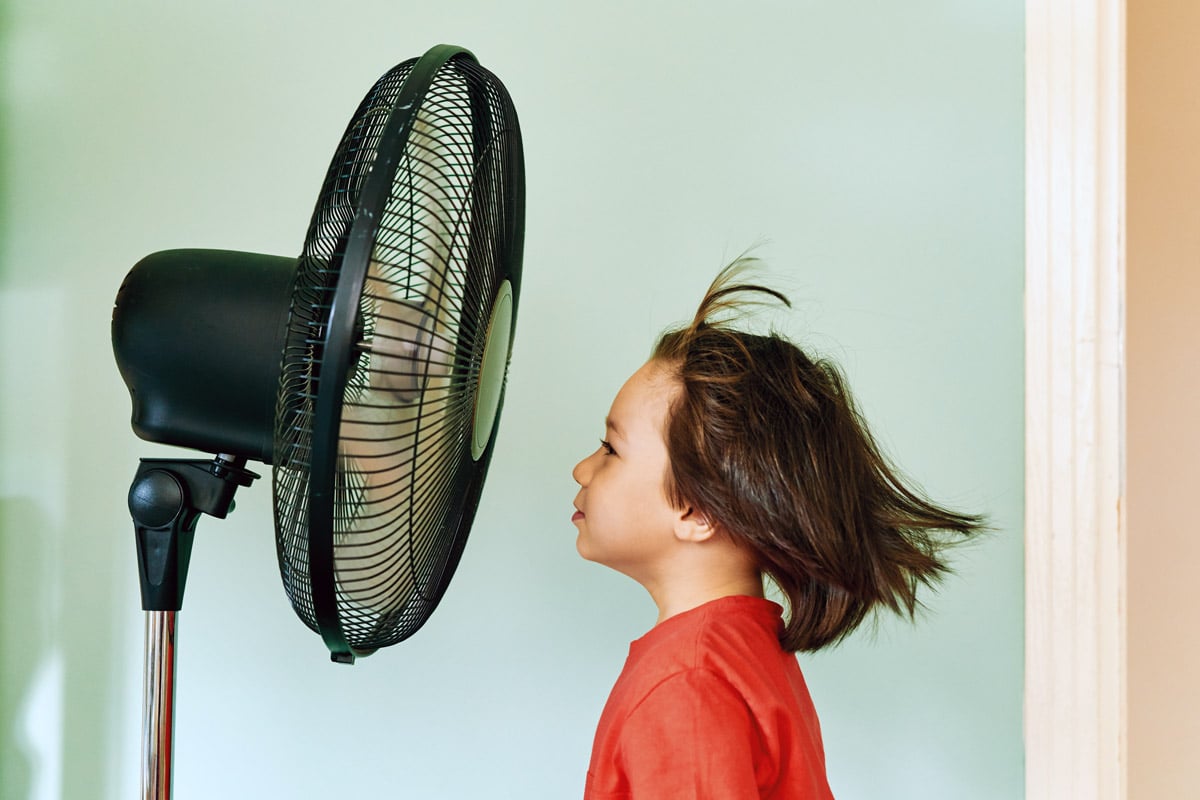
Fans consume far less power than air conditioners or furnaces and can reduce both cooling and heating costs.
Most ceiling fans have a switch to reverse direction — set them to rotate counterclockwise in summer to push cool air down, and clockwise in winter to draw cool air up and force warm air downward.
If ceiling fans aren’t an option or your landlord won’t install them, portable tower fans are a good alternative for hot months. They use little energy, letting you keep the thermostat at a reasonable level. Many include remotes so you can adjust settings from the couch while watching shows.
5. Make Unplugging a Routine
Certain devices need to remain plugged in — refrigerators and alarm clocks, for instance. But the Department of Energy points out that items like TVs, computers and toaster ovens should be unplugged when not in use. Devices left in standby mode account for 5% to 10% of a household’s energy usage.
Unplugging these items could save roughly $100 per year on electricity, according to the DOE — about $8 per month.
To simplify this, plug several devices into a single power strip and switch it off when everything is idle. Also, electrical outlets can leak conditioned air; outlet seals help reduce that exchange. For unused sockets, outlet plug covers offer a tighter seal.
6. Purchase Blackout Curtains
Blackout curtains block light and noise and reduce heat transfer, helping you keep the thermostat a few degrees looser.
No need to outfit every window — focus on those receiving the most sun (south-facing windows are typically the worst). In winter, heavier window coverings also reduce heat loss.
7. Inspect Ducts and the Attic
Ducts and attic space can allow conditioned air to escape. There are some clear signs that repairs are needed.
If you can see attic rafters, your insulation is likely insufficient. For ducts, dust is normal — but if sections appear clean while others are dusty, that indicates leaking joints and seals that need patching.
The Department of Energy provides guidance on how to insulate your home, and there are many DIY videos online. Still, insulation work requires skill and varies by climate, so hiring a pro for inspection and installation is often the best choice.

8. Switch to Energy-Saving Bulbs
Replacing incandescent, CFL and halogen bulbs with LEDs can save roughly $225 per year.
Which LEDs to choose depends on budget, replacement frequency and lighting preferences; nonetheless, the Department of Energy says LEDs are a straightforward way to cut utility costs.
LEDs cost more at purchase but use less energy and last much longer, so the upfront expense can pay off. You don’t have to replace every bulb at once — swap them out as they fail so savings start immediately.
9. Shorten Dryer Time With Dryer Balls
Dryer balls help reduce static and wrinkles, but they also speed drying.
They can trim drying time by up to 25%, saving energy and freeing up time. Keeping the lint trap clean also improves dryer performance and reduces fire risk.
10. Invest in Energy-Efficient Appliances
HVAC systems, refrigerators, ovens, washers and dryers are expensive, but choosing energy-efficient models saves money long term. Look for the Energy Star designation.
As major purchases, you may need to budget for them. Track sales cycles to find the best deals, which often happen around holidays like Memorial Day, Fourth of July, Labor Day, Veterans Day and Black Friday.
Manufacturers sometimes discount when new models arrive, typically in September, October and January (fridge models usually refresh in May).
Buying online can yield year-round discounts, but watch shipping fees. You can also find gently used upgraded appliances on sites like eBay, Craigslist, OfferUp and Facebook Marketplace, or at donation centers.
11. Review Options From Your Power Company
Many utilities offer budget billing, which averages your charges over the year to create predictable monthly payments. That means paying a bit more during milder months but fewer spikes during extreme hot or cold periods.
Check your provider’s website or call to learn about programs. Services like WattBuy can also help determine if switching energy suppliers is an option for you.
12. Use Caulking
Caulking around windows and doors keeps warm air in during winter and cool air in during summer. It’s an easy DIY fix — the DOE says you can caulk a whole house in a couple of hours for as little as $3.
Caulking handles minor drafts, but if energy bills spike dramatically in extreme seasons, you may need larger upgrades like a new roof or storm windows. A home energy audit can identify the most cost-effective improvements.
Ways to Trim Your Water Bill
Unless you live with many people or have leaking pipes, water bills are usually manageable. Still, there are easy steps to shave costs while conserving water.
13. Build Water-Conserving Habits
Remember being scolded for letting the tap run while brushing your teeth or taking long showers? There was a reason for that: water bills.
Now that you pay the bill, get into the habit of turning off water while brushing, soaping up in the shower and pre-scrubbing dishes before rinsing.
Another tip: if you leave a partially filled glass by your bedside, don’t pour it out in the morning. Use it to water plants or top up a pet’s bowl.

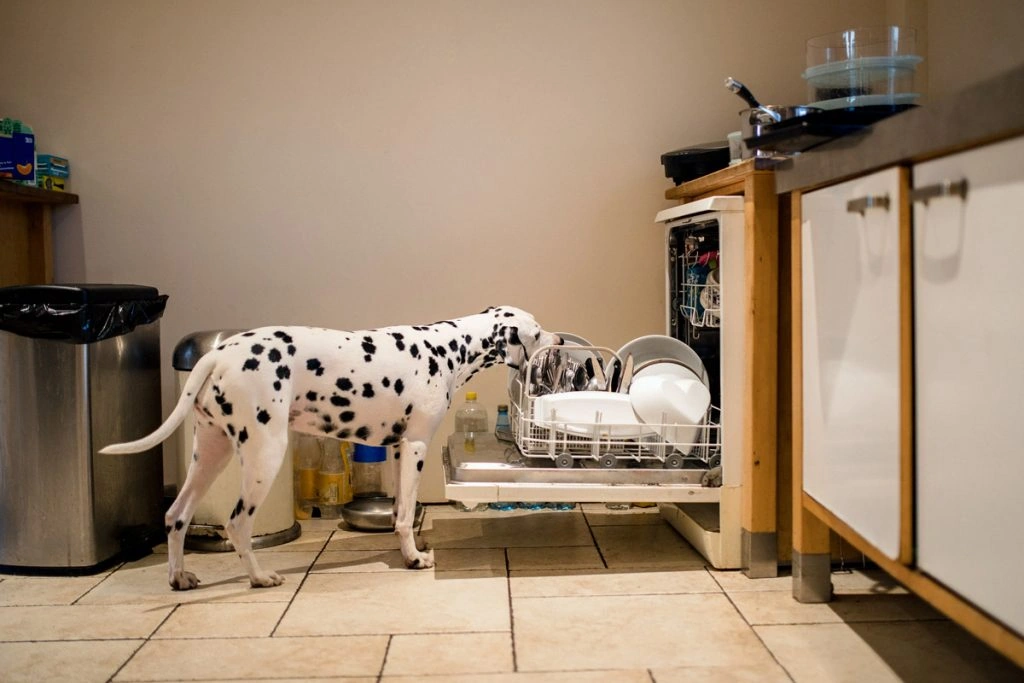
14. Use Your Dishwasher
Surprisingly, dishwashers often use less water than washing by hand and sanitize better. Running the dishwasher instead of handwashing is generally a win.
Don’t run it for a few plates — wait for a full load. To save more, skip rinsing before loading and choose the air-dry option.
15. Reduce Water Per Flush
A simple DIY to cut toilet water use: fill a couple of plastic soda bottles with pebbles or sand and water, seal them tightly and place them in the tank away from moving parts. This lowers the amount of water used each flush.
If you’d rather not DIY, investing in low-flow toilets saves significant water, though you’ll need to cover the purchase and installation cost.
16. Be Smart About Laundry
There are several ways to save when doing laundry.
Always run full loads rather than many small ones, and use cold water when possible.
Consumer Reports notes that modern washers and detergents work well on cold settings — even for whites — unless someone is ill or items are heavily soiled. In those cases, use hot or warm water and bleach if appropriate.
Skip extra rinse cycles unless necessary and avoid using excess detergent. You’ll save on water and detergent and keep clothes fresher.
17. Watch for Leaks
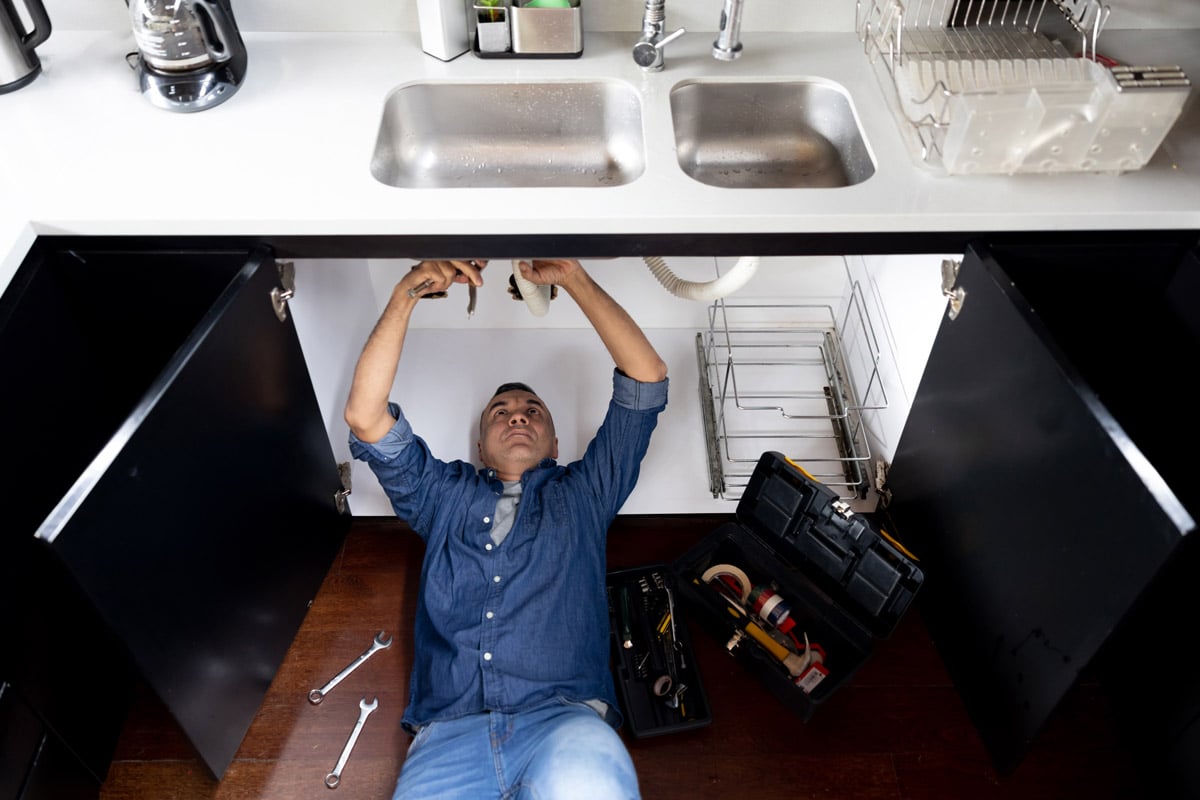
Locate and repair any leaks, whether from faucets or toilets. A running toilet wastes gallons daily and can cause damage. Leak detectors can help you monitor for issues.
Before calling a plumber, check YouTube — there are tutorials for fixing running toilets yourself.
Also, when turning off taps, make sure they’re fully closed. Often a firm final turn stops the drip without a service call.
18. Install Water-Saving Showerheads and Faucets
If multiple people use water daily, switching to water-saving showerheads and faucets is a smart investment. Many showerheads purge the cold water and then limit flow once hot water arrives.
When replacing faucets, look for EPA WaterSense certification. Prices vary, so compare options.
19. Run Appliances at Night
Some utilities charge higher rates during peak daytime hours. If your provider uses time-of-use pricing, run dishwashers, washers and dryers at night to avoid peak charges and reduce both electricity and water bills.
Doing chores after dinner becomes a good routine — load the dishwasher for overnight cleaning instead of soaking and scrubbing dishes by hand, which saves additional water.