That total includes airfare, a place to stay, every meal I ate… everything.
And before you ask, I didn’t play it safe. I attended a €41.50 flamenco performance and a Lorde show that was only marginally less expensive. I took a weekend jaunt to Cadaqués and Figueres — Dali’s haunts — which meant I actually paid for lodging twice for a couple of nights. I consumed an impressive amount of food and drank even more outstanding wine.
I also indulged in not one but two mani-pedis. With shellac. (I know. Judge me.)
How to Spend Time Abroad Without Blowing Your Savings
Don’t get me wrong: $3,000 isn’t pocket change. It’s still a significant outlay.
But considering you could pay almost a third of what I spent for a six-night vacation package — and that usually doesn’t cover most meals or sightseeing — I’m going to call my $2,938.87 grand total a major success, especially given I spent nearly the same for a week in Ireland last year.

Here’s the precise breakdown.
Airfare: $6.00 (not a mistake)
Accommodation: $1,166.18 (28 nights in Barcelona; two nights in Cadaqués)
Groceries and essentials: $461.46
Eating out, drinks, and coffee (meals not made at home): $453.76
Tours, attractions, and shows: $238.17
Getting around — all public transit, taxis, and trains: $229.51
One-month gym pass: $45.28
Gifts and postage: $41.55
Nails/salon: $107.97 (I KNOW, I am the WORST)
Things I regret buying (more on this below): $188.99
GRAND TOTAL: $2,938.87
Not too shabby, wouldn’t you agree?
Let’s examine what I did well — and what I could’ve handled smarter.
Wins and Travel-Hacking Tips
Below are the main tactics I used to keep costs down on this international trip.
Airfare

This was obviously my biggest windfall. I easily could’ve spent a third of my total on flights alone.
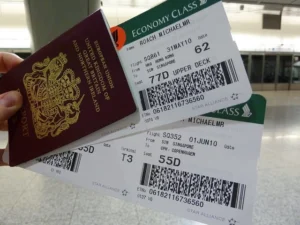
But I covered my transatlantic airfare with frequent-flyer miles, only needing to pay the unavoidable, carrier-imposed fees that came to a grand total of $6.00 (exactly!).
I earn miles by charging everything — trulyeverything, from groceries to my phone bill — to a travel rewards card that gives me at least one mile per dollar, and sometimes more. This is a great method to build up miles quickly, provided you pay your balance off in full every month to avoid interest charges.
If your credit isn’t stellar or you struggle to control spending, don’t fret — there are several ways to collect miles without relying on credit cards as well.
Accommodation

Although this was the priciest line item at over $1,000, it’s reasonable for 30 combined nights of lodging.
I use Airbnb to uncover interesting and budget-friendly places to stay and to guarantee a private spot with WiFi (so I can work) and a kitchen (to reduce food costs). You could spend even less if you’re more flexible than I am; I won’t share a bed and I’ll seldom tolerate a housemate. (Introversion has its price.)
If you’re more sociable — or at least more tolerant than this curmudgeon — there are tons oflow-cost lodging choicesavailable.
For example, many hostels offer dorm beds starting around $10 per night, and you can explore free stays via Couchsurfing. You might also get privacy at no cost if you find a house-sitting opportunity.
If you do opt for Airbnb, remember that many hosts offer steep discounts (often 25% or more) for longer stays — like a week or a month — so stretching your trip can save you money.
Which also matters for…
Sightseeing

You’d be amazed at how much you can economize by timing your visits. In Barcelona, I managed to enter thePicasso Museum, theCity History Museum, and theNational Catalan Art Museumfor free simply by going during their weekly free hours,saving nearly $40.
Of course, if you only have a couple of days, your schedule will be less adaptable. Still, there’s free entertainment in almost every city, regardless of timing.
Case in point: one of the highlights of my Spanish stay was a beach outing where I found handfuls of sea glass. It felt magical and it cost nothing — and if I choose to sell my little finds, I might even make a profit!
Food

Part of why I adore Airbnb is the ability to filter for places with kitchens. I prepared most of my meals at home.
Sure, my grocery bill could’ve been smaller, but I follow a low-carb approach, so I couldn’t subsist solely on pasta and rice cakes.
It’s fair to say you could dine overseas for far less than I did if you’re not as picky about macros as I am. (You also probably won’t need to pay for a gym membership, whereas I can’t do without mine. At least lifting weights is cheaper than therapy!)
One quick tip oninexpensive protein sourcesif you don’t want to carb-load constantly: eggs. Cheap, tasty eggs that, in Spain at least, often don’t require refrigeration. I consumed literally three flats of eggs over the month.
Areas for Improvement
I did many things right, but there were several opportunities to trim costs even further — and would’ve reduced my total.
ATM Fees
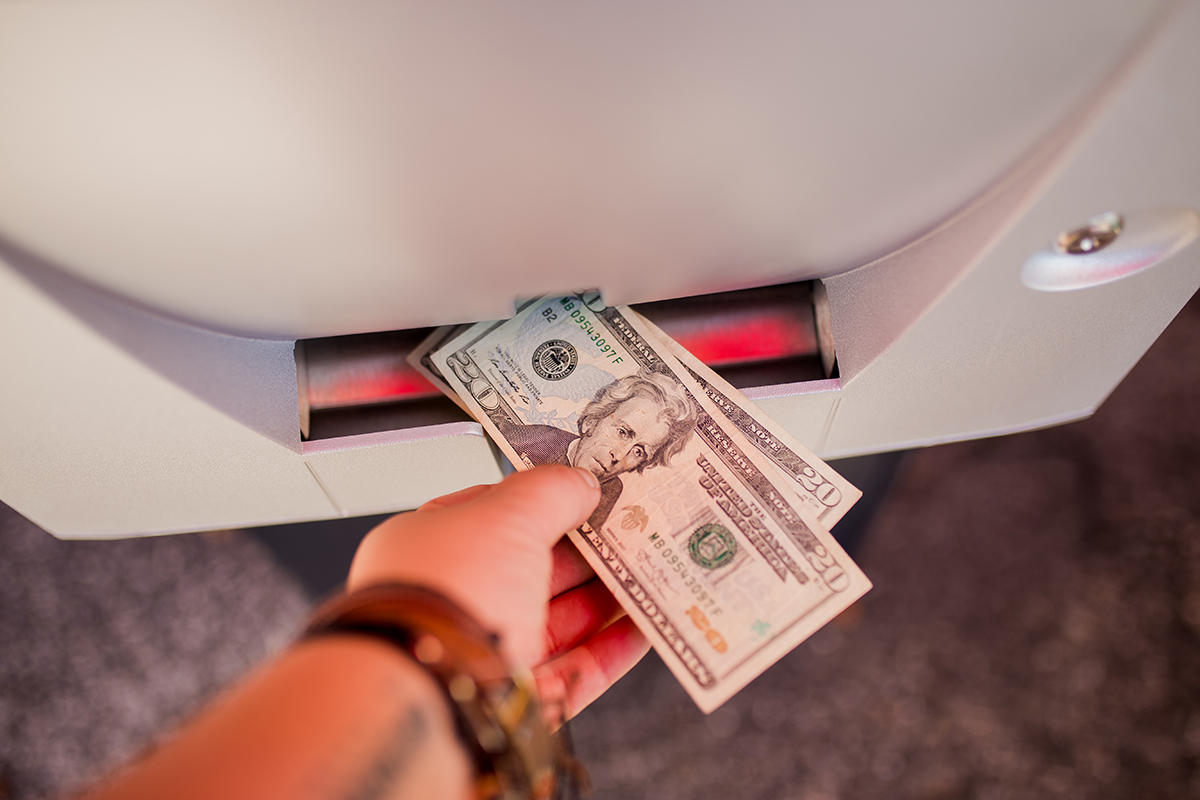
I didn’t separate them in the totals above, which mix cash and card expenses, but I wound up paying $20.99 in ATM charges.
Even though I used the “right” machines — ones my bank lists as international partners — I didn’t realize I’d be hit with a 3% surcharge on any foreign currency withdrawals. Had I known, I would’ve used cash less often and withdrawn more at once.
(While you’ll always pay something to convert dollars to euros, I could’ve ordered extra cash before leaving under the flat $7.89 “handling fee” my bank levies.)
Taxis
Obviously, using public transit is almost always cheaper than taking cabs, at least when you’re traveling alone.
Unfortunately, a dumb mistake on my part — not memorizing my chip-card PIN — forced me into a €50 taxi as soon as I landed. I also took cabs home from the Lorde concert (the last bus had stopped running, and I didn’t want to walk alone for an hour at midnight) and to an attraction with a strict arrival time (I misplanned and would’ve been late by metro).
Most of this could’ve been avoided with a bit more preparation and planning. In fact, my total transit costs likely would’ve been under $50.
International Shipping

It’s not inexpensive, folks. Not by a long shot.
Remember that sea glass I mentioned? I decided to mail some, plus a postcard, to my parents in St. Augustine, Florida. Not confident in my shaky Spanish at the local post office, I went to a Mailboxes, Etc. and packed everything into a tiny envelope.
Sending that teeny parcel cost me roughly $40. To put that in perspective, that’s about $34 more than I paid to ship myself to Europe, and the package weighed a sliver of my body weight.
Avoid mailing things home whenever possible. Bringing an extra checked bag will nearly always be cheaper, even with baggage fees — and it lets you transport fragile items like wine and olive oil. Just cushion them in soft clothing!
Dining (and Drinking) Out
I had been diligent about cooking for the first twenty days, but then I somehow doubled my eating-out spending in the final week.
I don’t know why I loosened up at the end, but, um, yeah, don’t do that.
Another gripe: my Airbnb was fantastic in many respects, but it didn’t have a coffee maker. As a caffeine addict, a jar of instant Nescafé wasn’t going to cut it. (Why do Europeans favor that stuff?)
I ended up spending about $60 supporting my caffeine habit at cafés — an easy expense to eliminate if I’d just gone cold turkey.
Things I Regret Buying: A Cautionary Tale

Some of the spending in this category stems from incidental extras: an umbrella hawked by a street seller; the $7 or so I wasted when I canceled an Airbnb. It was naive to think I’d have the time (or the discipline) to make a dent in Thoreau’s “Walden” while traveling.
But the largest chunk — more than $150 — came from my baffling decision to buy not one but two pairs of shoes. SHOES. Worse yet, the €15 sandals I purchased began falling apart within three days, making me hobble back home before discarding them. The other pair are surviving but give me too many blisters to wear often.
So my one piece of travel wisdom is just… don’t buy shoes.
Ingenious, right?
Safe travels!
Alex Rowan (@alexrowan) has contributed to VinePair, SELF, Ms. Magazine, Roads & Kingdoms, The Write Life, Barclaycard’s Travel Blog, Santander Bank’s Prosper and Thrive and other publications. Their work centers on food, wine, travel and frugality.