When you toss out groceries you never used, you’re wasting more than food — you’re literally throwing away cash. We’re not trying to guilt you into eating something you don’t want. Instead, we want to show you how a common appliance can prevent that money loss: your freezer. To help you keep more of what you paid for, we put together a list of items you might not realize are freezer-friendly.
1. Herbs
Fresh herbs can take a dish from good to great. But what do you do with a surplus of basil when you’ve had your fill of Italian dishes? Freeze them for later. Place whole bunches in a labeled bag and stash them in the freezer. For already-chopped herbs, spoon them into ice cube trays with a bit of water, then transfer the frozen herb cubes to a labeled bag for easy use.
Make Simple Cash to Help Cover Your Grocery Bill
Preventing food waste isn’t the only way to ease the sting of grocery shopping. If you need to boost your food budget, earn extra money with some of our favorite easy side gigs.
2. Milk
If you grew up in a household that served milk with every meal, you may already know milk freezes well. And we all know that once milk goes off, it’s really off. You don’t have to toss a gallon if you can’t finish it in time. You can freeze it in ice cube trays or in its original container. If freezing in the original carton, remove a little before freezing to allow for expansion. Thaw in the fridge and shake occasionally because separation can occur. If the texture bothers you, use the thawed milk in recipes.
3. Eggs
The trick is not freezing eggs in their shells (liquids expand when frozen). Shells will crack and create a mess when thawed. Instead, crack and whisk them, then freeze in a container. You can even mix in bell pepper and spinach for ready-made veggie scrambles. Saving eggs that are nearing their sell-by while prepping breakfast at once is a practical win.
4. Butter
If a forgotten stick of butter in the back of the fridge is nearing its end, don’t panic — butter freezes well. You can freeze full sticks or individual pats for smaller uses. Salted or unsalted both freeze fine. Seal it in a freezer bag or airtight container and you’ll have butter ready when you need it.
5. Lemons and Limes
We often see frozen berries and tropical fruits in the supermarket freezer aisle, but lemons and limes can go in the freezer too. To freeze whole, wash and place them in a freezer bag. You can also freeze slices on a baking sheet before transferring to a bag. This works best if you plan to use them for juice, since texture can turn mushy after thawing.
6. Cheese
Leftover pieces from that pricey charcuterie board aren’t going to keep forever. Whether you can freeze cheese depends on the variety. Hard and semi-hard cheeses freeze better — think cheddar, parmesan, and mozzarella. Soft cheeses like brie or blue cheese don’t fare as well. Put cheese in a freezer bag and squeeze out as much air as possible, then thaw when needed. Plan to use frozen cheese in cooked dishes if the texture isn’t appealing after thawing.
7. Chicken Broth
Chicken broth is handy for cooking, but you often only need a small portion of a large container. If you’re unsure when you’ll use the rest, freeze it. Use an ice cube tray for small portions, or store in gallon freezer bags or mason jars (remember not to overfill to allow for expansion). Then you’ll always have broth on hand for soups or to add a quick flavor boost with a single cube.
8. Various Sauces
Got extra marinara or barbecue sauce after a big meal? Those sauces freeze well too. Ensure any hot sauce cools completely before freezing. Transfer to plastic freezer bags or airtight containers and portion them out so you don’t repeat the surplus problem. Thaw in the fridge as needed.
9. Bread
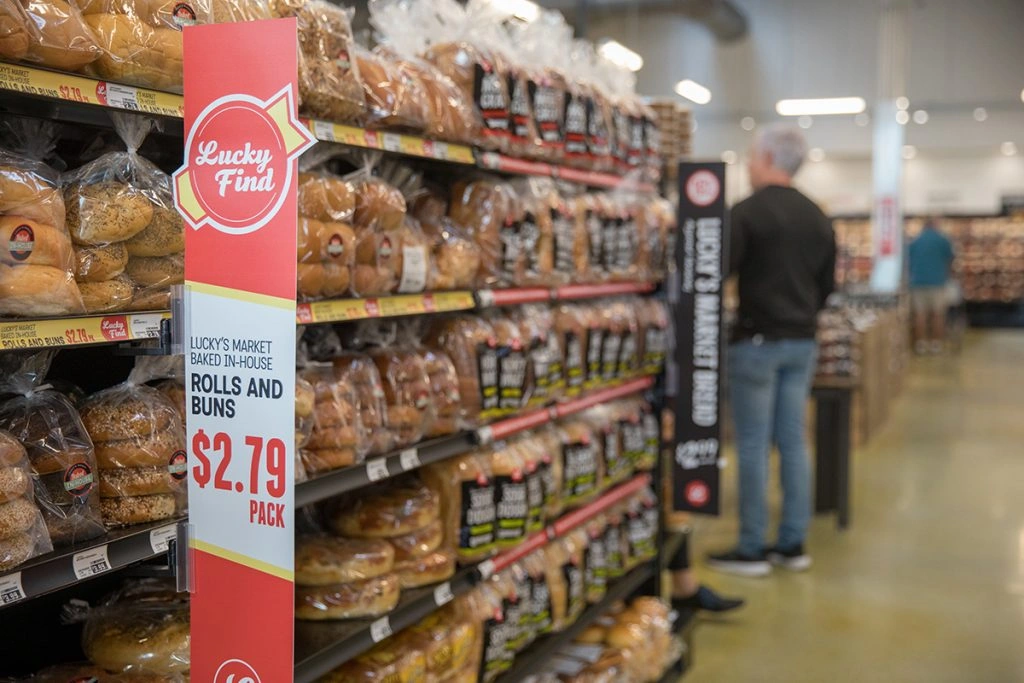
Ever reach for bread to make toast and find a blue fuzzy surprise? If your bread — whether from a bakery or pre-sliced — is nearing its end, freeze it. Wrap it tightly in plastic wrap before placing in a freezer bag. Thaw whole loaves on the counter or in the fridge, or pop individual slices straight into the toaster. Thawing takes just minutes.
Are There Foods You Shouldn’t Freeze?
Knowing what you can freeze helps you save money, cut food waste, and plan meals better. But some items don’t stand up well to freezing. As mentioned, soft cheeses — including cottage cheese — aren’t good freezer candidates. Avoid freezing most fried foods, hard-boiled eggs, and produce with high water content like cucumbers and watermelon.
Jordan Hart is a freelance editor at Savinly.