Millions of U.S. residents who depend on the Supplemental Nutrition Assistance Program (SNAP) will see smaller monthly food allocations beginning in March.
Commonly referred to as food stamps, SNAP received an extra boost roughly three years ago through pandemic-related emergency allotments.
Those supplementary payments — which added roughly $95 or more per month on average to recipients’ grocery budgets — are scheduled to end in March under a recently passed federal spending package.
What’s Changing With SNAP Benefits?
For almost three years, emergency allotments ensured that every SNAP household got an extra $95 each month, or the maximum benefit for their household size, whichever amount was higher.
Some states have already reverted to standard benefit levels. According to the U.S. Department of Agriculture, thirty-two states plus the District of Columbia were still issuing the enhanced payments — but only through March. In South Carolina, the larger allotments ended this month.
The enhanced payments have already stopped in these states: Alaska, Arizona, Arkansas, Florida, Georgia, Idaho, Indiana, Iowa, Kentucky, Mississippi, Missouri, Montana, Nebraska, North Dakota, South Dakota, Tennessee and Wyoming.
How Smaller SNAP Allotments Affect Those Most in Need
About 41 million low-income Americans received SNAP in 2021, per the Center on Budget and Policy Priorities.
Over 80% of SNAP participants are either in working households, are people with significant disabilities, or are seniors living on fixed incomes.
Older adults relying on Social Security are likely to feel the impact the most as the additional SNAP support is rolled back. This year Social Security beneficiaries received a record 8.7% cost-of-living adjustment — which has mixed consequences.
Because Social Security payments count as income when calculating SNAP eligibility, larger checks can lead to reduced SNAP allotments for seniors beginning in March.
This development comes as grocery prices remain elevated and other pandemic-era supports, such as the expanded child tax credit and universal free school meals, have ended.
“It feels like yet another instance of society penalizing people for being poor,” said Mary Lee Downey, founder and CEO of The Hope Partnership, a nonprofit that offers poverty relief services in Kissimmee, Florida.
“As these supports vanish, we should expect a steep rise in families seeking assistance just to put food on the table and keep a roof over their heads,” she added.
9 Practical Ways to Cut Grocery Costs as SNAP Benefits Shrink
For the millions facing reduced SNAP support, stretching a grocery budget will be more challenging in the months ahead.
Below are nine practical strategies to help you trim food spending and make meals stretch further.
1. Reach Out to Local Food Pantries
Asking for assistance can be difficult, yet food pantries are a legitimate source of free groceries. If your budget no longer covers essentials, they may be a crucial stop.
Use this food pantry locator from Feeding America to find nearby food banks.
You can also dial United Way’s 211 helpline to locate other community resources.
2. Become a Meal-Prep Pro
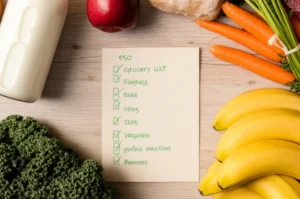
Meal prepping is one of the most effective ways to cut grocery costs while minimizing waste — though finding the time to prepare can feel tough.
Budget meal-planning tips include watching sales, shopping for specific recipes, buying seasonal produce and planning meals around what’s on sale.
3. Stretch Your Food Pantry Finds
Pantry distributions typically supply about a week’s worth of food, but there are ways to extend that supply.
Pair inexpensive produce with staples like rice and beans to create filling meals for very little money.
To keep your kitchen stocked with small, budget-friendly extras, pick up a few key ingredients during regular grocery trips rather than buying in bulk.
4. Cook Meals That Serve Twice
Eating the same dish for lunch and dinner may not be thrilling, but it’s a proven tactic to save on food costs.
Explore Taste of Home’s collection of 150 freezer casserole recipes for family-sized dishes you can stretch into multiple meals.
5. Learn When Your Store Discounts Items
Most grocery stores mark down items that are nearing their sell-by date on specific days. Ask staff when markdowns occur so you can score bargains not advertised in weekly circulars.
6. Use Apps That Offer Deep Discounts on Food
A couple of apps help reduce food waste and send savings to consumers.
Too Good To Go and Flashfood connect businesses with buyers who’ll purchase near-expiration food at steep discounts.
There are many accounts of savvy shoppers securing discounted bundles from bakeries, restaurants and grocery stores for under $15 by using these apps.
The downside is limited availability — these services only operate in some U.S. cities — but they’re free to download and worth checking for local deals.
7. Scan the Top and Bottom Grocery Shelves
When you shop, glance at the highest and lowest shelves first. Retailers often place higher-priced items at eye level, so looking up and down can reveal cheaper alternatives.
8. Try a Meatless Day Each Week
With meat costs elevated, skipping meat just once a week can lower your grocery spending.
Try a few meatless recipes to replace chicken, pork, beef or fish for one day and stretch your meat purchases further.
9. Learn Budget-Friendly Recipes
A little culinary inspiration goes a long way.
Instead of relying on glossy cookbooks or celebrity chefs, find resources that teach practical, low-cost cooking you can do at home.
Look into budget food bloggers and series like “Struggle Meals” from chef Frankie Celenza, which shows how to prepare dishes for about $2 per serving and offers money-saving grocery and meal-planning tips.
If you’re trying to stretch benefits and shop smart, also consider options for online groceries with snap benefits and review available snap benefits resources to maximize your food budget.
Laura Bennett is a certified personal finance educator and a senior writer for Savinly. She covers budgeting, benefits, and practical money-saving strategies.