Which pharmacy should you choose? Where can you find the lowest prices on your medications? Is it better to use a pharmacy inside a grocery store or a dedicated drugstore? If these questions sound familiar, you’re in good company.
Deciding which pharmacy fits your needs can be confusing, so we examined offerings at both grocery store and drugstore pharmacies to help you make sense of the options.
Why Prices Differ Between Pharmacies
Before diving into which type of pharmacy tends to be more economical, it helps to understand why costs can vary. The amount you pay for a prescription can differ significantly between, for example, CVS and Walmart pharmacies due to two main reasons: insurance arrangements and bargaining power.
Health Insurance
Many insurance plans have preferred pharmacy networks. If your insurance plan changes, you might experience the unpleasant surprise of a much higher copay when you pick up a prescription. Although any pharmacy can fill your prescription, the most affordable option is often the one specified by your insurer.
Market Power
Large chains like CVS and Walgreens have substantial market leverage, allowing them to negotiate higher reimbursement rates from insurers. That bargaining power can translate into higher out-of-pocket costs for consumers.
Grocery Store vs. Drugstore Pharmacies: Which Suits You?
With savings in mind, we compared price-related perks at three well-known drugstores — CVS, Walgreens and Rite Aid — and three leading grocery store pharmacies — Walmart, Publix and Kroger. We also noted whether common discount platforms like GoodRx and SingleCare are accepted.
Grocery Store Pharmacies
A major perk of grocery store pharmacies is convenience. Instead of making a separate stop, you can drop off a prescription and pick up groceries while you wait. As grocery chains increasingly promote the link between nutrition and wellness, adding in-store pharmacy services makes sense.
Walmart Pharmacy
Walmart provides more than groceries — it also offers pharmacy services, pet medications and mail-order options. Through the $4 drug program, you can cut costs on common generic medicines for conditions like high cholesterol, diabetes, birth control and hypertension. Discounted prices typically start at $4, with observed ranges of $4 to $15 for a 30-day supply and $10 to $40 for a 90-day supply.
Walmart doesn’t run a proprietary prescription savings plan, but its baseline prices are low and it accepts GoodRx and SingleCare coupons.
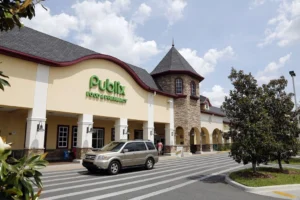
Publix Pharmacy
When Publix discontinued its free prescription program in 2022, its status as a low-cost option slipped somewhat. While Publix isn’t broadly listed on GoodRx’s participating pharmacy list, some locations do accept GoodRx coupons for certain medications. Publix pharmacies also work with plans like CVS Caremark and Express Scripts.
Publix is user-friendly with a downloadable app and simple online transfer forms. A standout feature is its $7.50 prescription program. The offer nicknamed “The Next Best Thing to Free” means select common medicines may cost as little as $2.50 per month.
Kroger Pharmacy
Kroger is the sole grocery chain on our list with its own savings plan — the Kroger Health Savings Club. After joining, some 30-day supplies of routine medications may be free and others range from $3 to $8. The trade-off: the membership costs $36 per year for an individual and $72 per year for a family.
Kroger no longer partners with GoodRx, but it does accept SingleCare. A major advantage at Kroger is price transparency: they publish a list of over 100 medications with prices for 30- to 120-day supplies.
Grocery Store Pharmacy Cost Comparison
| Grocery Store Pharmacy | 30-Day Supply | 90-Day Supply |
|---|---|---|
| Walmart | $4 | $10 |
| Publix | N/A | $7.50 |
| *Kroger | Free-$8 | $6-$24 |
*after enrolling in the health savings plan
Drugstore Pharmacies
The traditional neighborhood drugstore remains a trusted choice. You may even know your pharmacist personally. Besides dispensing prescriptions, many drugstores provide clinics, vaccinations and professional advice, so lots of people stick with their local chain.
CVS
CVS Pharmacy is clearly a market leader, but does that mean the cheapest prices? They at least provide tools for price transparency. Like insurance comparison tools, CVS lets you look up better prices for medications.
The pharmacy benefit manager CVS Caremark supports programs like the CVS ExtraCare card. If you already use a CVS rewards card and want to connect it with ExtraCare, you can link them in your CVS account.
CVS ExtraCare is a free membership that gives 2% back on CVS-brand health items such as cold and flu remedies. You can shop in-store or online and earn rewards on Health Care FSA-eligible purchases. With weekly deals and a birthday reward, each household member could gain up to $50 back annually — and yes, pets can be included among family members.
For extra savings, enroll in Pharmacy & Health Rewards to increase prescription discounts.
Walgreens
Like CVS, Walgreens provides tools to find lower-priced prescriptions. The Rx Savings Finder helps you compare medication prices — useful when you don’t have insurance.
The Walgreens Prescription Savings Club lists hundreds of drugs with transparent pricing for 30- and 90-day supplies. Membership costs $20 per year for an individual and $35 for a family of up to five, and it doesn’t work with insurance — which makes it a potential bargain for the uninsured.
If you prefer not to pay for a club, the free myWalgreens program earns you 1% Walgreens Cash on every dollar spent, including at the pharmacy.
Rite Aid
The future of Rite Aid has felt uncertain following failed merger attempts, but if it’s your closest pharmacy, there are some appealing savings options — especially for seniors. Rite Aid doesn’t, however, provide average prescription price listings, so it’s harder to do direct price comparisons.
The standard Rite Aid Rewards program awards 10 points for every $1 copay on eligible government-funded prescriptions and up to 750 points on certain other prescriptions.
For shoppers 65 and older, Rite Aid offers 5x the points on qualifying in-store purchases on the first Wednesday of each month.
Drugstore Pharmacy Cost Comparison
| Grocery Store Pharmacy | 30-Day Supply | 90-Day Supply |
|---|---|---|
| CVS | $10.00 | $14.00-$21.00 |
| *Walgreens | $7.50-$15.00 | $15.00-$30.00 |
| Rite Aid | N/A | N/A |
*after enrolling in the prescription savings membership

Grocery Store or Drugstore Pharmacy? How to Choose
When weighing grocery store versus drugstore pharmacies, consider three main factors: your insurance coverage, whether you need a brand-name or generic drug, and whether you prefer a 30- or 90-day supply.
If you have insurance, it will often indicate which pharmacies are in-network, but it’s still wise to compare both grocery and drugstore options for the best price. If you’re retired or uninsured, discount programs like GoodRx and SingleCare and the in-store savings plans discussed above can help lower costs.
Choosing generics over brand-name medications typically reduces expense. Some brand drugs have no generic equivalent; in those cases, use price-comparison tools from CVS and Walgreens to seek savings.
Although a 30-day supply may seem cheaper up front, some pharmacies offer significant discounts on 90-day supplies — which can save money and cut down on pharmacy trips.
Contributor Marcus Reed writes about lifestyle topics from North Carolina.