You might be thinking, “I’m not handy or creative.” Don’t worry — these do-it-yourself ideas are some of the easiest projects you can tackle to stretch your dollars.
For instance, to save roughly $400 on a king-size sleeping setup, I simply joined two twin mattresses and fastened the frames together. If you plan to try a few projects, starting with the large items is a smart move, since that’s where the biggest savings often are.
But you can also complete a number of small, straightforward projects to cut costs. Below are examples of both kinds.
Sew Your Own or Alter Clothing
Yes, sewing garments can be pricey and fiddly. However, there’s an easy and affordable approach: alter clothing you already own.
- Bleach Art Tees: It takes about five minutes to learn how to paint clothing with bleach, and you can create some striking patterns. Use old t-shirts or pick up inexpensive ones at thrift stores, then bring out the bleach!
- Ripped Jeans: No need to spend a lot on pre-distressed denim when there are numerous guides online showing how to distress jeans yourself.
- Studded Apparel:Adding studs to garments is an inexpensive way to revamp clothes you don’t wear anymore or to upgrade thrifted finds.
Build Your Own Furniture
Constructing furniture to save money may seem daunting, but many basic projects need only simple tools and a little effort.
- Storage Tub Side Tables: During moves, my wife and I used plastic tubs topped with fabric as end tables. Buy $1-per-yard fabric from discount bins at Walmart — two yards will cover a large tub and drape to the floor. The “tables” also serve as storage.
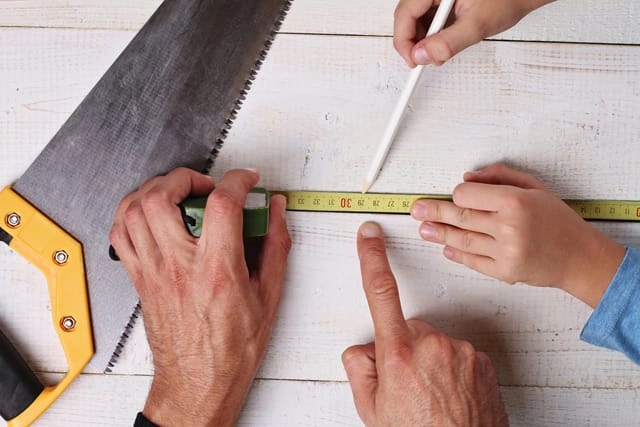
- Bed Frames: I built a bed frame for a spare room using 2x4s and plywood. Keep the design basic and have the plywood cut at Home Depot. You can saw the rest with a hand saw. Screw and glue the side rails and legs together and you’ll have a solid frame. Conceal it with a dust ruffle and it looks finished.
- Desks: Browse 20 DIY desks at Homedit.com. The concepts get more creative (and cheaper) further down the list. For a simple standing setup, place a suitably sized table on top of your current desk. That was my solution: I kept the lower surface for sitting and lowered the monitor and keyboard when I wanted to sit.
DIY Patio and Outdoor Decor
Outdoor furniture and accents don’t always need flawless finishes, making them ideal DIY projects.
- Simple Wooden Benches: I’ve built benches from 2x4s for under $15 — it’s almost as easy as it sounds (use screws, not nails). To save even more, use recycled lumber.
- Cinder Block Planters: Concrete blocks cost about $1.25 each and can be stacked in creative ways to build flower displays.
- DIY Fire Pits: I made a basic fire pit out of free rocks I gathered, which fit the landscape nicely. For a cleaner look that still saves money, use decorative blocks.
- Brick or Block Grills: Cinder block grills are straightforward, and bricks give a nicer finish. Find plenty of block and brick BBQ ideas on Pinterest.
Make Cat Supplies at Home
If you dote on cats like we do, costs add up quickly. A basic cat tower can exceed $100 and scratching posts can be $40. Below are affordable DIY alternatives to keep your felines content.
- Scratching Posts: Screw a 30-inch 2×4 to a 2×2-foot plywood base from underneath. Our cats enjoy this bare version as much as the carpeted ones. To carpet a post you’ll need a staple gun, carpet samples and a utility knife.
- Homemade Toys: Our cats prefer toys that cost almost nothing, so we tie small items to yarn. They love them! For more entertainment, save boxes and cut holes and doors for play.
- Outdoor Cat Runs: I once detailed how you can make money building cat enclosures, but you can also save by constructing one yourself. Why pay $2,000? The enclosure I built — 8 by 8 feet — cost about $110.
- Cat Furniture: I repurposed an old TV cabinet, attached scrap wood for platforms and covered everything with carpet. The cats could enter, exit through a rear hole and climb three platform levels. Total cost: about $3. Use materials you have and spruce it up with inexpensive carpet samples often sold for $1 each.
Improvised Outdoor Gear
Having the latest outdoor gear is nice but expensive. Much of what you need doesn’t have to be high-tech. Here are low-cost DIY options.
- Lightweight Backpacking Stoves: Many tutorials show how to make a lightweight alcohol stove. I built one to reduce weight (mine was one ounce) and it saved money too.
- Backpacks: I wouldn’t attempt a conventional sewn pack without a machine, but I found that tying a light duffel to an old aluminum frame makes an economical, light backpack.
- Walking Sticks: Fancy trekking poles are handy, but I prefer walking sticks I make myself so I can keep them attached. If you own a knife, your cost is essentially nothing.
- Hand Warmers: Cut five holes in old socks and wear them on your hands. Put gloves over them for wrist protection while leaving fingers free. It’s about as simple as it gets.
- Balaclavas: Cut a sleeve from an old stretchy thermal top, sew or tie one end, pull it over your head to find the right spots and cut three openings for eyes and mouth. Mine weighed an ounce — lighter than any purchased option.
- Insulating Vests: I made a vest by cutting a head hole in a 4×2-foot piece of polyester batting (sold in rolls). I wore it like a tunic under an outer layer and it kept me warm on cold adventures, even on glacier treks at high altitude.
- More Gear Ideas: See the section on making outdoor gear at Backpacking.net.
Additional DIY Money-Savers
Here are more ideas for inexpensive items you can craft, gathered from across the web.
- Money Clips: You can fashion a money clip from a spoon — a neat trick. I’ve also repurposed an old phone holder by removing its clip.
- Wall Art: Artist Dave Pollot alters thrift-store paintings by adding pop-culture elements and sells them for up to $800, but you can use the idea to cheaply decorate your home.
- Homemade Lamps: Some of the 21 DIY lamps on ViralNova.com are elaborate, but others require only a few dollars in materials and look fantastic.
- Bread: You don’t need to be an expert to bake good bread. In fact, using a bread machine is as easy as adding ingredients and turning it on.
Your Turn: What have you built to save money?
Steve Gillman is the author of “101 Weird Ways to Make Money” and founder of EveryWayToMakeMoney.com. He’s worked as a repo man, carved walking sticks, evaluated search engines, flipped houses, driven trams, served legal papers, acted as a mock juror, and croupiered roulette — but out of more than a hundred ways he’s earned money, writing remains his favorite (so far).