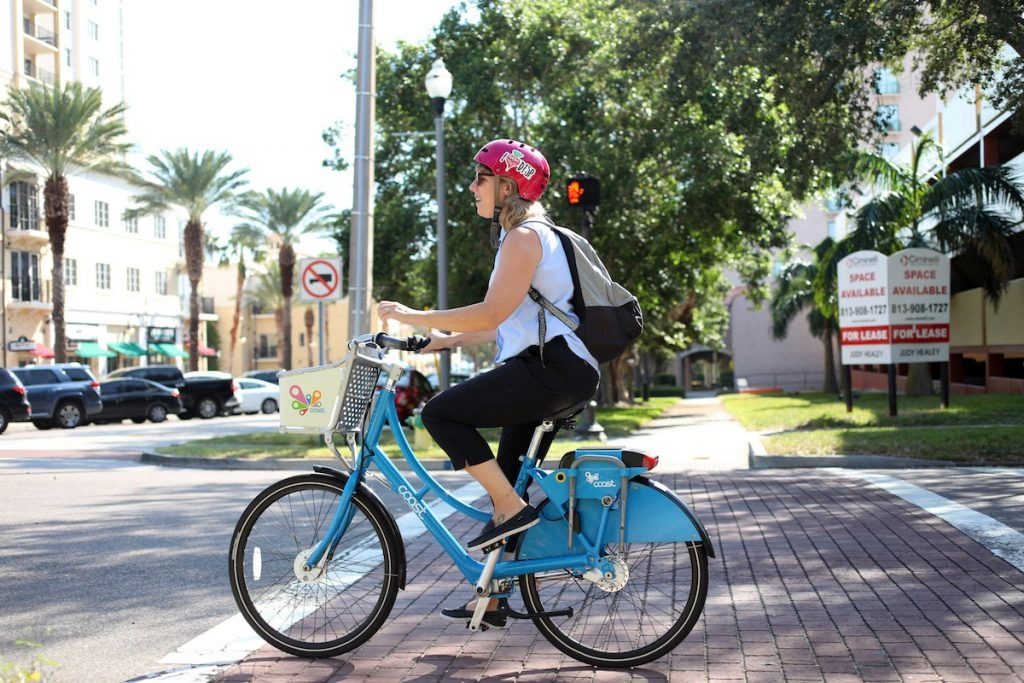
Commuting is the worst.
Between headlines that tell us our daily travel eats up more than a week of our lives annually, increases our stress, contributes to weight gain and hurts air quality, it’s easy to see why articles about working from home are so widely read.
But for many people who can’t telecommute every day, commuting is simply part of the routine. It doesn’t have to be awful all the time, especially if you have choices.
Not every commuting method is feasible for everyone, but we’ve considered the advantages and drawbacks of five common approaches. If you have options, these comparisons can help you pick the best fit.
Walking to Work

Pros:
- Great low-impact exercise
- Environmentally friendly
- Being outside boosts mood and creativity
- Very low cost (though you’ll want comfortable shoes, a solid work bag and weather-appropriate clothing/gear)
Cons:
- Impractical for long commutes
- Usually takes more time
- Exposed to the elements
- You might arrive a bit sweaty
- Limits how far you can go for lunch, off-site meetings or midday errands
Good for:
- People who live a short distance from work and have safe walking routes (for example, within a few city blocks)
- Those who don’t need to leave the office during the day
- Those who don’t face extreme weather where they live
Biking to Work

Pros:
- Excellent exercise
- Friendly to the environment
- Research indicates cyclists report greater satisfaction with their commutes than drivers or transit riders
- Relatively low cost (some cities offer bike-share programs)
- Parking is typically free (but secure your bike to prevent theft)
Cons:
- Not ideal for very long distances
- Weather can be a problem
- You might show up sweaty (an electric bike can lessen exertion)
- Budget for maintenance and occasional repairs
- Limits midday travel range for lunch, meetings or errands
Good for:
- People who live a little beyond walking distance but still nearby
- Those who could walk but prefer a quicker or easier option
- People who don’t need to travel often during the workday
- Residents of areas without extreme weather
Taking Public Transit to Work

Pros:
- You can relax and let someone else handle the driving (and often get work or reading done en route)
- More eco-friendly than single-occupant car trips
- May spare you from traffic jams
- Generally cheaper than owning a car
- Frequent-user discounts are common
Cons:
- Transit may not drop you off exactly where you need to be
- You’ll be sharing (and sometimes crammed into) space with strangers
- You’re bound to transit timetables
- Delays and multiple stops can extend your trip
- Limits where you can go during the workday
Good for:
- People with transit stops near home and the office
- Those without a car who live too far to walk or bike
- Commuters who enjoy using the time to read, work or relax
- People who are comfortable sharing space with others
Carpooling / Ride Sharing

Pros:
- You can divide driving expenses
- May be quicker than solo driving if HOV lanes are available
- Can be a chance to meet coworkers or neighbors (unless you end up with people you don’t enjoy riding with)
- Reduces exposure to bad weather
- Could make it feasible to be a one-car household or go without a car entirely, saving money
Cons:
- You’ll be in a shared vehicle
- Your schedules need to align with other riders
- Organizing a carpool group can take effort
- Limits flexibility for midday trips
Good for:
- Those who enjoy driving but want to lower costs
- People willing to relinquish driving control occasionally
- Commuters who don’t need to leave during the day
Driving Solo

Pros:
- You control your schedule
- Suitable for long distances
- Protects you from the weather
- Allows travel during the workday
Cons:
- Often the priciest option when you count gas, insurance, payments, upkeep and parking
- The least green choice (unless you drive a hybrid or electric vehicle)
- Traffic can delay you
- Driving has been associated with increased stress
Good for:
- Someone who lives far from work
- Someone who values independence
- Someone who must travel during the day
- Someone who has budgeted for and can cover the related costs
Jordan Reed is a staff writer at Savinly. He currently commutes using public transit.