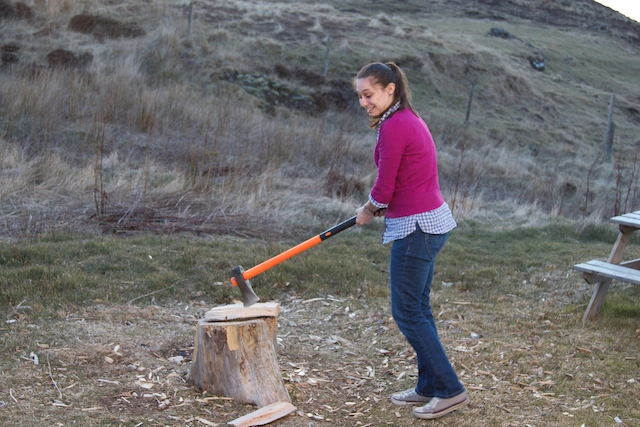
Whether firewood is your principal heating source or you simply like an occasional cozy hearth for atmosphere, cutting your own wood is often much less expensive than buying it from a supplier or purchasing small bundled logs at the supermarket.
In many areas, harvesting your own firewood only requires an inexpensive permit from the U.S. Forest Service or another land-management agency. But before you dash off to get a permit, take time to assess your requirements and plan your cutting trip.
Evaluate Your Requirements
First, figure out how much wood you’ll need. Consider your intended use: will wood be your main heat source, or is it just for occasional fires and marshmallow-toasting? What is your local climate like? Staying comfortable through a mild Southern California winter requires far less wood than getting through a harsh upstate New York cold snap.
Firewood is usually measured in cords; one cord equals 128 cubic feet of stacked wood (eight feet by four feet by four feet). Depending on species and region, a cord commonly retails for $200–$500.
If you only plan to use the fireplace a few times each week during winter, you probably won’t require a full cord. Roughly a third of a cord should suffice, according to American Lawn Irrigation in New Jersey. However, if a wood-burning stove is heating your home, you may need a cord or more depending on where you live.
Prioritize Safety
Before undertaking any firewood-cutting project, ensure you understand the work and possess the proper safety gear. Always use eye protection and other protective equipment and adhere to safe operating procedures.
You should have adequate knowledge and training before using any power tools or working with trees and wood. This work carries inherent hazards, and even professional arborists and tree crews encounter numerous occupational risks.
If you lack the necessary experience, don’t attempt to learn on the fly. Instead, consider apprenticing with a local firewood cutter or helping an experienced friend in exchange for some wood. You can assist by stacking and handling other tasks while learning safe cutting techniques — then you’ll be ready to work independently the following season.
Where to Harvest Your Own Firewood
Once you’ve estimated your wood needs, confirmed you understand the risks, and obtained proper safety gear, it’s time to determine where to source your wood.
Start by asking friends or neighbors if they have downed trees on their property. Many homeowners hire professionals to remove fallen trees, especially after storms. With a few hours of work, you may be able to take these for free and build your woodpile. Always get permission from the landowner before removing wood — collecting without consent can lead to theft and trespassing charges. Watch for power lines and other hazards. You may also want liability or personal-injury insurance before cutting trees.
Also, check with local tree service companies to see if they have leftover wood from recent jobs. In some areas, tree services pay to dispose of cut wood and will gladly have someone haul it away at no cost.
Another possibility is to identify nearby public lands where you can legally harvest wood. Choose locations close to home — if you must drive many miles to collect wood, transportation costs can erase your savings.
Keep in mind that moving wood across state or regional lines is often restricted to prevent spreading invasive pests and diseases. As a rule, avoid transporting wood more than about 50 miles and check local regulations. To locate public lands that permit wood cutting, contact your local Forest Service office.
Permits to cut a cord or two generally cost around $10–$20. For example, in Washington’s Okanogan-Wenatchee National Forest, permits for up to four cords start at $20. When you obtain a permit, Forest Service staff usually provide detailed rules and guidelines, including where and when you may harvest, tagging and reporting requirements, and more.
Many states’ Departments of Forestry also offer permits for cutting wood on certain state lands. Connecticut runs a lottery forfirewood permits. Contact your state forestry office to learn whether a similar program exists where you live.
Heading Out to Cut Wood
When you’re prepared to cut, bring company. Working with friends is safer, easier, and more enjoyable. It also lowers costs if you need to rent equipment — and you can split fuel expenses for travel to the harvest site.
Of course, you’ll need the right tools and protective gear. Depending on the species and the amount of wood, you may require various implements. If you’ve done your research and learned safe methods, you’ll know what to bring. Estimate how much you plan to cut and consider renting a wood splitter if you’ll be processing many logs.
Wear appropriate clothing — work boots, long pants, long-sleeved shirt — and the recommended safety equipment: goggles, gloves, a hard hat, hearing protection, chaps, and a face shield. Do not wear loose clothing, jewelry, or anything that might get snagged by tools or machinery. Oklahoma State University offers a useful safety pamphlet.
At the harvesting site, remove wood from ecologically appropriate locations. Steer clear of streambanks and riparian zones where wood removal could increase erosion. Avoid vulnerable slopes and fragile habitats. If you’re unsure which spots are best to harvest from, ask the Forest Service for local guidance.
For well-seasoned firewood, cut in spring so the wood can dry through the summer and be ready by fall. Leaving wood to cure in summer weather typically helps seasoning. If you need wood for the coming winter and it’s later in the year, only harvest dead trees, whether standing or already down.
Can You Sell Surplus Wood?
It may be possible to sell extra firewood you’ve cut, but check applicable laws and rules first. Review invasive species restrictions and regulations tied to the land where the wood was harvested. Commercial harvesters on public lands must follow special requirements.
Buying Firewood
If you opt to buy wood, purchasing rounds is often less expensive than buying pre-split, ready-to-burn logs. Rent a splitter or use a maul and split the rounds yourself to save money.
Sellers commonly charge different rates for delivered versus picked-up and stacked wood. For the best savings, offer to pick up the load yourself. If delivery is the only option, have them drop the wood and save extra by stacking it yourself, since many sellers add a fee for stacking.
Your Turn: Do you heat your home with firewood or enjoy occasional fires? Where do you source your wood?