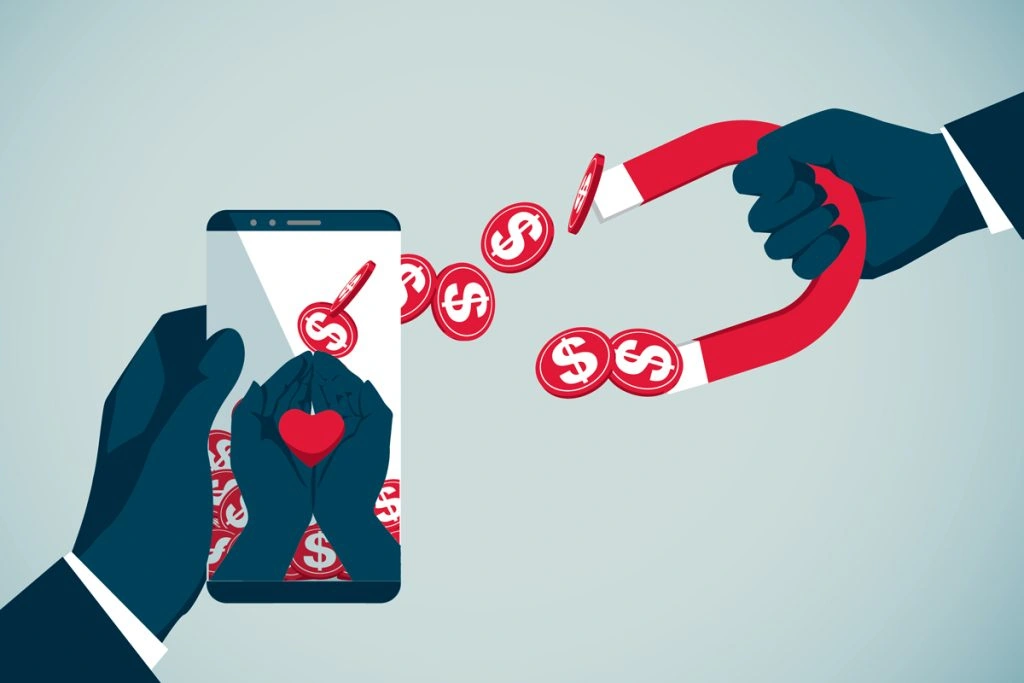
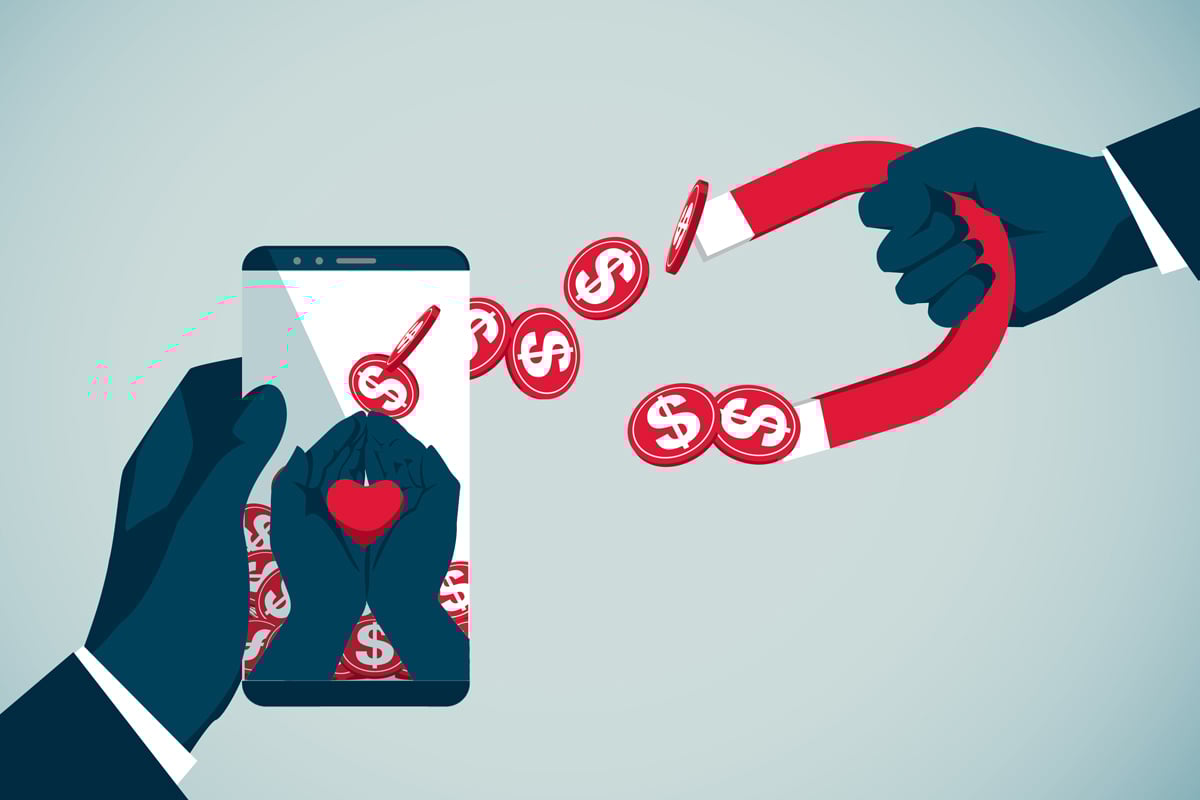
People naturally want to help others in need, and that impulse feels especially strong when disasters strike or when conflict displaces communities. With major storms, humanitarian crises and the holiday season all prompting more generosity, charitable giving rises — and unfortunately so do schemes that try to exploit those good intentions. That’s where charity scams come in.
You shouldn’t let fear keep you from donating. Instead, learn how common charity scams operate, how to detect them, and simple ways to distinguish genuine nonprofits from fraudulent ones.
More from Savinly: The Dumbest Things We Keep Spending Too Much Money On (And How to Stop)
Tools to Vet Charities
One of the smartest defenses against charity fraud is knowing how to identify bogus organizations. The trickiest scams are crafted to resemble legitimate nonprofits closely — complete with convincing paperwork and official-looking details.
Luckily, several organizations maintain resources to evaluate charities. Watchdog and consumer groups like the Better Business Bureau run databases that review and rate nonprofit organizations. For example, the BBB’s Give.org lists charities and assesses them based on performance and transparency, making it easier to confirm an organization’s credentials.
Charity Watch is another respected evaluator. It assigns letter grades mainly by measuring how much of donations actually reach the intended programs. Its reports, such as lists of the worst charities to help veterans, reveal how much each group collected, what they claimed to spend, and the portion of funds that went to program services — with some groups spending as little as 6% of donations on the programs they claim to support.
Government agencies also monitor charity activity, since legitimate nonprofits must follow official channels to accept tax-deductible gifts. The IRS, for instance, provides a checklist to help spot fraudulent charities.
Phone and Text Solicitations
Even with those resources available, you’re often targeted directly by scammers through calls and texts — thanks in part to data brokers who sell contact lists. If you receive an unsolicited phone call or message asking for a donation, treat it skeptically. Most reputable charities don’t rely on aggressive cold-calling or mass texting to solicit gifts.
If a call or text hooks you, watch for common red flags. Scammers often create a false sense of urgency to pressure you into donating immediately. Another trick is a “thank you” message claiming gratitude for a donation you never made, intended to manipulate you into giving again.
United Way, which represents more than 1,800 nonprofit partners, offers guidance for spotting fraudulent text messages. It also highlights frequent tricks, such as offers of gift cards (for example, Target cards) in exchange for answering questions and sharing personal data.
More From Savinly: These Companies Will Give You Food and Other Products For Free
Crowdfunding Scams
If you prefer to help individuals directly rather than large organizations, crowdfunding platforms like GoFundMe allow people to raise money for personal emergencies. Those platforms have helped countless families recover after disasters, but they lack the oversight that nonprofits often provide.
GoFundMe publishes guidance on the kinds of fraud it most often encounters, such as fake emails (always verify the sender’s address) and phishing attempts designed to capture personal information.
There are ways to spot fraudulent campaigns. Scams often present vague or minimal details, and they may use stock photos, AI-generated images, or photos stolen from other legitimate fundraisers. Running a reverse image search can reveal whether a photo was lifted from elsewhere.
More From Savinly: Our Top Picks for Best Savings Accounts
Impersonation and Sham Charity Schemes
Scammers rely on your compassion. They exploit the urgency of natural disasters, medical crises and other emergencies to discourage scrutiny and fast-track donations.
Recently, the IRS warned about scams tied to appeals for hurricane victims. Fraudulent groups often adopt names that sound close to reputable charities. For instance, a fake group calling itself the Breast Cancer Society mimicked the National Breast Cancer Foundation and diverted donations before the FTC shut it down.
Other scams involve actors claiming to represent well-known organizations in order to obtain donations or sensitive personal information for resale. In March 2024, there were reports of scammers posing as agents of the Salvation Army and asking donors for sensitive details, such as Social Security numbers.
The main lesson: don’t let fear keep you from contributing, but do take a few moments to confirm who you’re giving to. A caller insisting on a $10 donation won’t be harmed if you ask for a name, organization details, or an official website and then verify those before handing over money.
Read on:
- Here’s How to Start Saving Money — Even If You Don’t Have Room in Your Budget
- 31 Ways to Make Money Online & From Home in 2024
- Our Top Picks for The Best Savings Accounts
Alex Mercer has contributed as a freelance journalist since 2017, appearing in various literary and financial outlets. He’s written fiction and nonfiction, taught social studies, assisted with museum research in Florida, and served as an editor at a small publishing venture. Alex earned a bachelor’s degree in history from Jacksonville University.