Large swaths of the country are currently enduring bitter winter conditions. As the mercury drops, people are cranking up their thermostats.
Even down here in supposedly mild Florida, I’ve been turning up the heat so I don’t freeze. I know my home becomes less efficient with each degree I nudge the thermostat higher — but I get irritable when I’m cold, and nobody has patience for that.
I recently looked for ways to ease my conscience and compensate for the additional energy I use to heat my home while still being mindful of my wallet and the planet. The U.S. Department of Energy offered a helpful suggestion.
The DOE says I could cut wasted electricity by up to 30% by installing occupancy sensors in the rooms my family uses most.
So I could reclaim roughly 30% and still avoid icicle fingers while relaxing in the living room? Sign me up!
What Exactly Is an Occupancy Sensor?
I wasn’t especially familiar with occupancy sensors or their effectiveness, so I did a little homework.
These inexpensive gadgets are actually pretty clever.
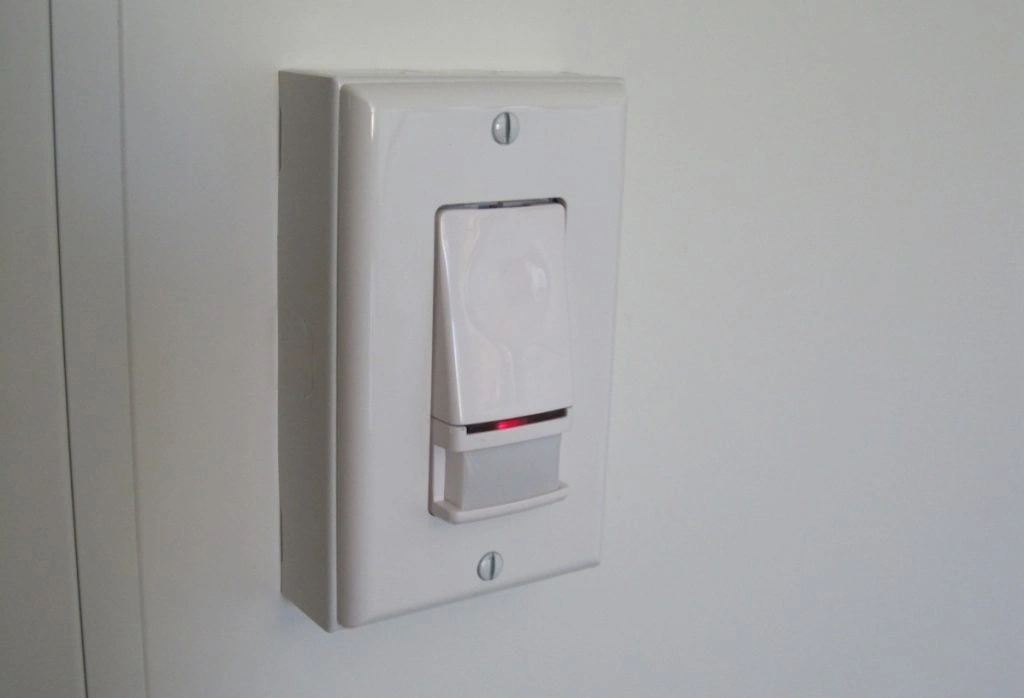
Most home occupancy sensors are made to replace existing light switches. They don’t require an expensive electrician because they’re extremely simple to install.
They’re generally motion-activated, constantly on the lookout for human movement. If a room stays vacant for a specified few minutes, the lights shut off automatically.
Since the sensors sit where traditional switches do, they usually won’t register pets unless you own something unusually tall like an alpaca (and if that’s the case, please invite me over).
Do Occupancy Sensors Actually Cut Costs?
I dug into how effective these small devices are and whether they really perform as advertised.
It turns out they do.
If you enjoy poring over energy research, here are a few sources. If not, I’ve already done the legwork for you.
- This Environmental Protection Agency study discovered that businesses using sensors see average energy reductions of 60%. While the report concentrates on offices, it backs up the DOE’s 30% residential savings estimate.
- If you prefer visuals, here’s a joint study summary from two U.S. and Canadian energy agencies that includes a handy graph showing potential savings depending on the bulb type paired with the sensor.
- For a deep dive, review the complete joint agency report for detailed lighting waste estimates, average savings by room, and other satisfyingly nerdy figures.
Where Can I Buy Energy-Saving Occupancy Sensors?
Occupancy sensors are available at virtually every large home improvement retailer and at many hardware chains.
If you’d rather not bundle up and go out, check Amazon for a broad selection of sensors, starting atabout $14. If you plan to outfit multiple rooms, this 6-pack costs $65, which averages roughly $10 per unit.
Occupancy sensors are a practical way to offset the extra expense of dialing your thermostat up in winter, and they keep your home more energy-efficient year-round. How cool… or rather, how hot is that?
Your turn: Do you use occupancy sensors at home? About how much have they trimmed your energy bills?
Erin Wallace is a staff writer with Savinly. She prefers it warm — at least in the mid-80s — so cold snaps can take a hike.