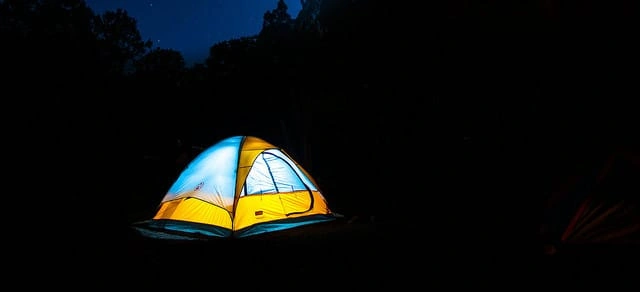
Spending a weekend outdoors can quickly get expensive. Although it seems like an inexpensive getaway, a short excursion into the woods can easily rack up a few hundred dollars in costs.
For instance, Yellowstone National Park charges a $25 entrance fee and a basic campsite runs from about $15 per night for a bare spot with nearby vault toilets to $47.75 for an RV space with utility hookups. Since many people live far from popular camping destinations, don’t forget to include the ever-rising cost of gas, on-the-road meals and snacks. Collecting fallen wood is often prohibited, so add a $10 bundle of firewood and an impromptu trip to the camp store for missing s’mores supplies, and that inexpensive weekend looks a lot pricier.
But camping doesn’t have to break the bank. Take advantage of cooler temperatures — and thinner crowds — this fall and use these strategies to save on entrance fees, campsite charges, travel and more.
Cut Transportation Costs
Before you set up camp, you need to get there. While many travelers enjoy the conveniences of an RV rental, that choice can be pricey. Between higher fuel consumption, elevated campsite fees, dumping charges and other extras, it’s tough to save on an RV outing. A more budget-friendly approach is to drive a smaller, fuel-efficient car and pack a tent in the trunk.
Some national parks, such as Yosemite and Zion, provide shuttle services and sometimes mandate their use in busy areas during peak season. These eco-conscious options reduce pressure on beloved parks and help lower your gas bill.
Pay Less at National Parks
While the most famous national parks, like Yosemite and Yellowstone, may charge up to $25 per vehicle for a seven-day permit, 268 national park sites currently waive entrance fees.
To visit a park that does require payment, aim to go on one of theseveral fee-free days each year. In 2014, those days included Martin Luther King Jr. Day, Presidents’ Day weekend, the opening weekend of National Park Week in April, the National Park Service’s birthday in August, National Public Lands Day (September 27) and Veterans Day (November 11).
If you frequent parks, an $80 annual pass grants unlimited entry to all national parks for 12 months. That pass is also valid at other federal recreation sites, such as national wildlife refuges, national forests and grasslands, Bureau of Land Management and Bureau of Reclamation locations. Some parks also sell their own annual passes that allow unlimited visits to that specific park for a lower cost.
Seniors 62 and older can get a $10 lifetime pass that provides unlimited access to parks and recreation sites and often includes discounts on certain fee-based services, like camping and boat launches. Active duty military members and their dependents are eligible for a free annual pass. Individuals with permanent disabilities can obtain a free Access Pass, granting free entry and discounts on some amenities.
Those who volunteer can also earn a complimentary pass by logging at least 250 hours of service with federal agencies such as the National Park Service.
Options Beyond National Parks
While national parks offer fantastic camping experiences, there are numerous other affordable places to camp. Many Bureau of Land Management and U.S. Forest Service lands provide free or low-cost campsites.
Prepared campers can take advantage of “dispersed” camping, which is typically free and usually means finding your own spot and making do with minimal facilities. Dispersed areas generally do not provide water or restrooms, so bring ample water supplies and know how to safely manage your waste.
State parks can be inexpensive local alternatives, though check fees carefully because some state parks can be costly due to budget issues. Another option is renting a private backyard for camping.
Save on Camping Gear
Double- and triple-check your packing list before you head out and ensure you’ve packed all essentials. I’ve definitely ended up paying three times the usual price for forgotten items at small country stores near campgrounds. Don’t forget marshmallows, matches, old newspaper for kindling, flashlight batteries, stove fuel, paper towels, skewers, garbage bags and other easy-to-overlook supplies.
Another way to economize is to bring your own firewood or cut it yourself. Many U.S. Forest Service areas allow visitors to cut a cord or more of firewood with a low-cost permit. Some campsites permit gathering downed wood for campfires. Always check local rules and secure permits when required.
Whatever money-saving methods you use for your camping trip, always follow the Leave No Trace principles to protect the places you enjoy.