Maybe you have existing foot or knee issues that could benefit from a quality stability shoe, or you’re hunting for a pair to help elevate your road workouts.
No matter why you need legitimate running shoes, it’s crucial to know what you’re buying and whether the extra expense will genuinely help you meet your fitness goals — or if it’s mostly marketing buzz.
We consulted podiatrists and foot specialists to pinpoint top picks across the running shoe market.
8 Best Running Shoes for Every Type of Runner
- Best for daily runners: Hoka One One Mach 5
- Best for occasional runners: New Balance 1080v12
- Best for runners with high arches: ASICS GEL-Nimbus 23
- Best for runners with low or flat arches: Brooks Dyad 11
- Best for runners with bad ankles: Brooks Adrenaline GTS
- Best for treadmill runners: Brooks Ghost
- Best for sidewalk runners: Mizuno Wave Inspire 18 Waveknit Road Running Shoe
- Best zero-drop running shoe: Altra Escalante 3
Top running shoes can be pricey — but they don’t always have to be. If you’re shopping for new running footwear, here’s what to watch for. The prices shown are typical retail, though you may find deals on brand sites and online retailers.
Manufacturers often update models frequently. For example, Brooks’ Adrenaline GTS was up to version 22 in 2022. You can save by hunting older releases since many updates are incremental. You might have fewer color and size choices, but this strategy can yield substantial savings. Monitor retailers like Zappos and check for promo codes — then you’ll be scoring Savinly-level bargains!
Best Running Shoes for Daily Runners
Shoe: Hoka One One Mach 5
Price: $140
Why they’re the best: “I like the Hoka One One Mach as a daily trainer because it balances stability with lightness and fits well,” says podiatrist and foot surgeon Kimberly Hoang Nguyen of Philadelphia Podiatry. Note that some testers point out the traction isn’t optimal, so these perform best on roads rather than rugged trails.
Best Running Shoes for Occasional Runners
Shoe: New Balance 1080v12
Price: $160
Why they’re the best: This adaptable New Balance model boasts a superb midsole and outsole, according to George P.H., founder of physician-backed Shoethority. “Casual runners often overstrike with the heel; this shoe’s sole helps shield their feet and knees from that impact.” It’s lighter and offers an improved heel counter and lacing versus the prior 1080v11, reducing pressure on the heel while securing the midfoot. “In short, you get the same excellent sole with an upgraded upper,” says the Shoethority founder.
Best Running Shoes for Runners with High Arches
Shoe: ASICS GEL-Nimbus 23
Price: $80
Why they’re the best: For high-arched runners, Nguyen recommends this Asics GEL-Nimbus. “The FlyteFoam cushioning reduces impact while running, and the GEL unit in the heel softens landings,” she explains. “It also includes an internal heel counter to help stabilize the foot.”
Best Running Shoes for Runners with Low or Flat Arches
Shoe: Brooks Dyad 11
Price: $130
Why they’re the best: Nguyen favors the Brooks Dyad for its roomy toe box — ideal for broader feet or heavier runners. The cushioned design delivers solid support and stability for overpronators (when the ankle rolls inward excessively) and offers enough space to fit custom orthotics.
Best Running Shoes for Bad Ankles
Shoe: Brooks Adrenaline GTS
Price: $119
Why they’re the best: Eric Barber, founder of the review site Steady Foot, recommends the Brooks Adrenaline GTS line for runners with weak ankles (it’s on many versions now). Barber highlights the shoe’s adaptability and “excellent cushioning and ankle support,” which benefit those prone to ankle problems. Prices often start around $140 but older models can be found on sale; in July 2022, the Adrenaline GTS 21 dropped to $110 on Brooks’ site.
Best Running Shoes for Treadmill Runners
Shoe: Brooks Ghost
Price: $140
Why they’re the best: With a thicker sole that helps keep energy return while running indoors, testers at Shoethority praise the Brooks Ghost. “There’s a touch of extra midsole support to help maintain a healthy foot posture without feeling rigid. The upper secures the foot while remaining breathable and lightweight — which matters when you’re running indoors,” says George P.H.
Best Running Shoes for Sidewalk Runners
Shoe: Mizuno Wave Inspire 18 Waveknit Road Running Shoe
Price: $95
Why they’re the best: If your miles are mainly on hard surfaces like sidewalks where additional shock absorption is useful, Nguyen suggests this Mizuno Wave Inspire. “The mesh upper is soft and highly breathable,” she notes. It also provides more cushioning than many rivals, offering a gentler ride and added comfort for high-impact outings.
Best Zero-Drop Running Shoe
Shoe: Altra Escalante 3
Price: $130
Why they’re the best: For zero-drop, or “barefoot-style,” running shoes, the Altra Escalante stands out. It features a reliable lacing system, a responsive insole that holds its springiness over months, and a very breathable, flexible upper — which is why many runners favor it.
“It pairs zero-drop geometry with the cushioning many runners expect,” says the Shoethority founder. That makes it easier to switch from a conventional trainer to a zero-drop shoe. “Plus, the extra-wide forefoot provides ample toe room. Combined with the zero drop, this encourages a natural stride that’s gentler on the joints.”
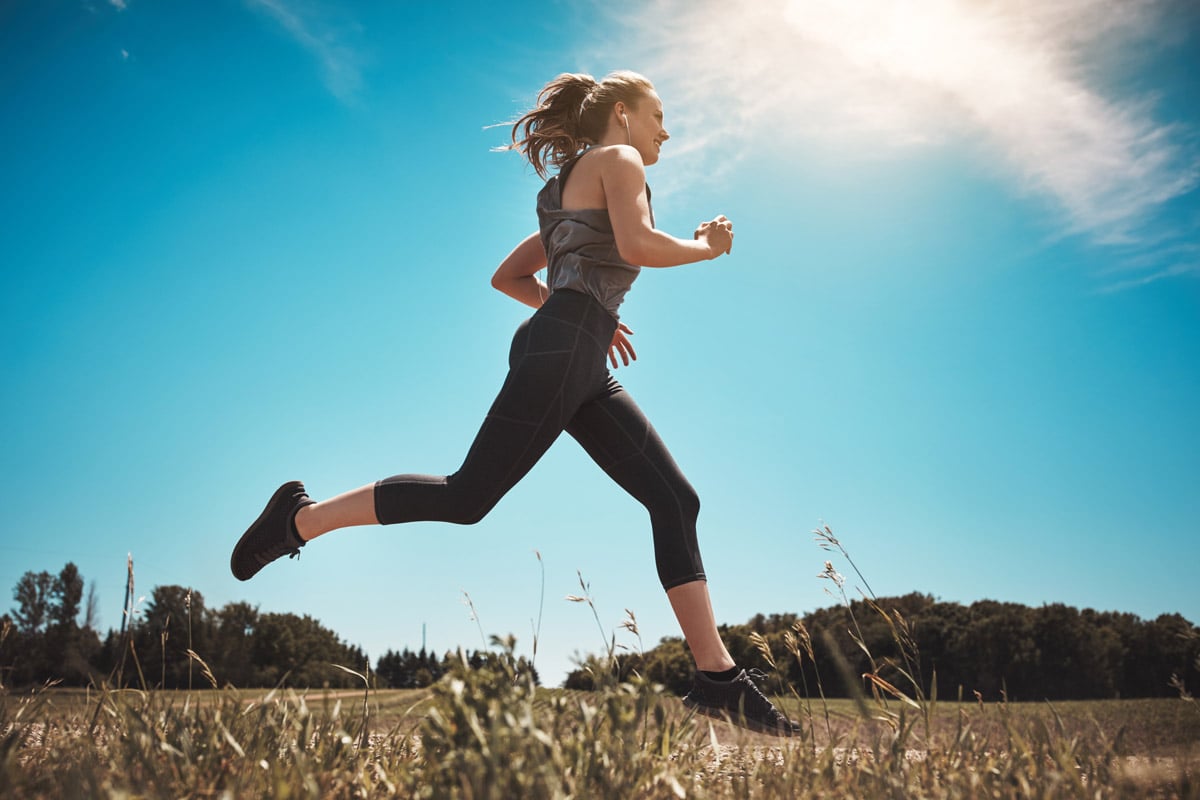
Are Running Shoes Worth It?
In short: yes. Choosing the right running shoes can protect your feet and joints and even give you an edge on the trails or road.
“Running shoes are essential — runners land with forces up to three times their body weight,” says Nguyen. “Good running shoes provide arch support and cushioning, boost performance and help reduce injury risk.”
If you’re ready to spend on premium trainers, foot and ankle surgeon Tom Biernacki notes that cutting-edge designs in some high-end models can matter.
“Nike Vaporfly Next% shoes were a breakthrough and were involved in breaking marathon records,” he says. “They’ve been banned by many competitive bodies because they’re extremely light and include a carbon plate that produces a springlike effect — which some argue is an unfair assist.”
Beyond performance concerns, a big reason elite models are restricted in competition is cost. “Not every athlete can afford a $250–$400 shoe for a high school meet,” Biernacki adds.
3 Tips for Finding the Right Shoe
Selecting the best running shoes for your needs — without paying the price of a car down payment — can be tricky. These general pointers will help.
1. Make sure the shoes match your foot shape and width.
“My top tip is to ensure proper fit,” says Biernacki. “Try shoes later in the day when feet are more swollen, and check toe-box space while standing (not sitting).”
You should have a little room between your longest toe and the shoe’s tip to avoid painful friction points.
2. Most runners do best with cushioned, supportive shoes.
You’re not shopping for Olympic footwear; you want what works for you — appropriate cushioning and support based on your age and intended running style.
“Younger, fitter runners may do well in more minimalist or distinctive shoes,” says Biernacki. “But older, stiffer or less athletic runners generally benefit from more supportive shoes with a modest heel-to-toe drop (8–12mm), extra cushioning and reliable support — brands like Brooks, Asics, Hoka, On, or Nike tend to offer such models.”
3. Bring your inserts to the running shop.
“If you use custom orthotics, try them in potential running shoes to ensure proper fit with those devices,” says Nguyen. “If shoes aren’t comfortable in the store, they won’t be comfortable during runs.”
Contributor Larissa Runkle often covers finance, real estate, and lifestyle topics for Savinly.