Several months back, I explored the tactics supermarkets use to nudge you into spending more — from subtle psychological nudges to sensory enticements.
Shortly after, I popped up on a local TV station to discuss those strategies. One major ploy: stores exploit your powerful sense of smell, leveraging everything from the aroma of freshly baked bread to strategically placed fragrant bouquets.
My dad, who watches every appearance (thanks, Dad), sent a refreshingly context-free text after the segment aired.
“It’s those rotisserie chickens.”
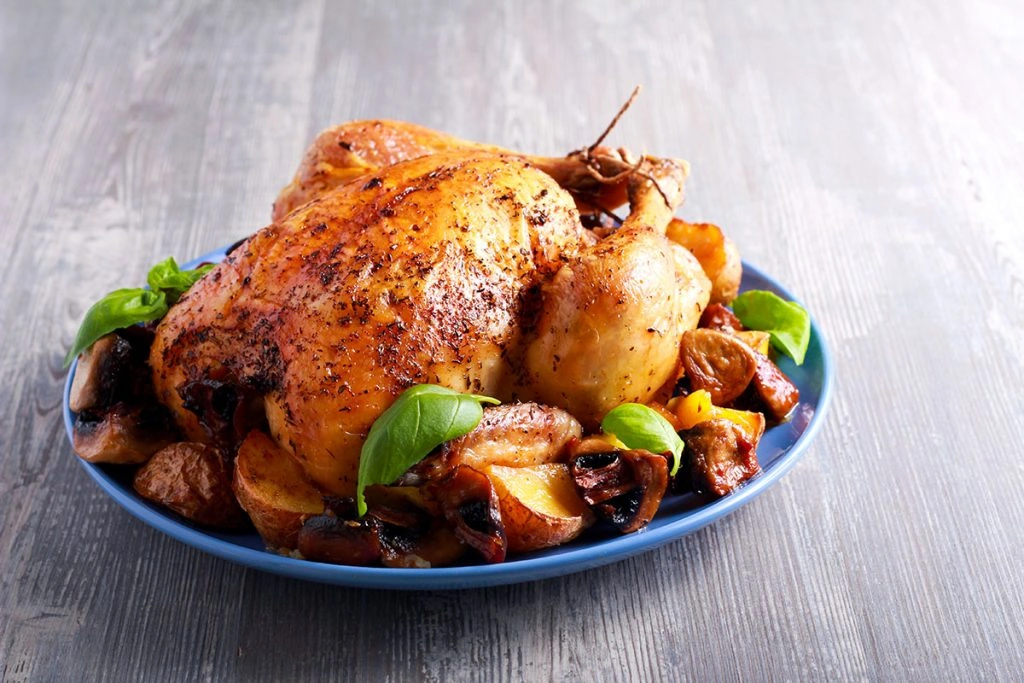
Indeed, my father’s kryptonite at grocery stores is that slowly turning display of bronzed, steaming birds. I’ll bet many of you share that same weakness.
Rotisserie Chickens: The Lure Isn’t the Bird’s Fault
Supermarkets began offering ready-to-eat rotisserie chickens in the 1990s, inspired by the surge in popularity of Boston Market (then Boston Chicken) and its take-home chicken dinners, according to The Wall Street Journal. Despite the changing grocery landscape, many stores still move stacks of whole cooked chickens for well under $10 apiece.
With fierce competition to attract and keep shoppers, grocers continually tweak their rotisserie offerings — varying spices, adjusting prices and optimizing supply chains. Costco even went so far as to develop its own chicken-processing facility to cut out middlemen.
If you wanted to roast an entire chicken at home, it could cost you more than the roughly $5.99 some stores charge for a ready-made bird once you total up ingredients. Then there’s the hassle of heating the oven and babysitting the roast. So supermarkets keep the price of rotisserie birds low, seducing you with convenience and that irresistible roasted aroma.
And their real hope? That you’ll pick up accompaniments.
Have you ever popped into the store after work intending to buy only a hot chicken? Chances are you left with potato salad, macaroni, or a handful of items you suddenly remembered needing.
Before you know it, you’re not a $5.99 shopper. Those extra buys — especially other prepared foods with larger markups — cover the margin the retailer sacrificed on the perfectly priced bird.
Grab the Chicken — But Keep These Tips in Mind
We could endlessly debate whether a pre-roasted chicken is worth the money, but the decision boils down to the familiar question we face with takeout or restaurant dining: are you paying for convenience?
If the answer is yes, a rotisserie chicken is among the most convenient and economical prepared-food purchases. It can feed a small household, be shredded or cubed to fortify favorite dishes, or be portioned out to serve a solo eater across multiple meals. For practical ideas, try pairing your bird with simple sides or transforming leftovers into sandwiches, salads or a quick soup.
You don’t need to resist the tempting, savory draw of a rotisserie chicken when you shop — just rethink the extras that are eager to hop into your cart before you head to the checkout. Consider planning a meal around the chicken, making a shopping list, and skipping impulse-ready sides unless they fit your plan.
If you want even more cheap, convenient meal options, check out rotisserie chickens and ways to stretch them into multiple dinners.
Emma Carter is a senior writer and producer at Savinly.