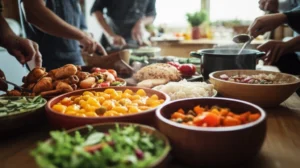
Meal prep — preparing meals ahead of time — has become a favored cooking habit for people focused on savings and wellness.
The basic premise of meal prepping is to map out meals for a set span (often a week), purchase the needed ingredients, prepare your dishes or prep components, and store them properly so they’re easy to use throughout the week. Doing this can free up time on busy days, help you control portions and calories, and keep your grocery spending in check.
Meal Prep Helps You Cut Costs
If your aim is to trim both food costs and time spent cooking, meal prepping is a smart solution. Here are several ways you’ll spend less by prepping meals:
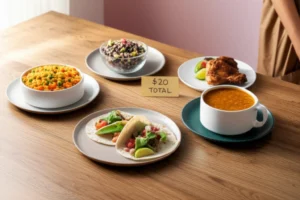
You can skip dining out at pricey eateries when you’re too tired to cook. Even modest $8 runs to fast-casual spots or drive-thrus accumulate; that $8 could instead buy protein like chicken breasts that stretch across several meals.
You won’t need to buy a laundry list of ingredients for a different dish every night. Ditch the plan of lasagna one evening, tacos the next and steak later in the week. By prepping meals, you can center on one or two meal templates for the week and vary spices and sides to keep flavors interesting. You’ll also reduce the likelihood of produce or leftovers spoiling.
You’ll likely find yourself running the dishwasher far less. Instead of creating pots, pans, cutting boards and utensils three times a day, you’ll tackle major dish cleanup once weekly. For the rest of the week, you’ll mostly rinse prep containers and small utensils. This not only trims your water bill but also has a modest positive environmental impact.
Meal Prep Supports Healthy Eating
A lot of people meal prep to track what they eat. Whether you’re counting calories or keeping a food log, prepping meals makes tracking simple and helps you stick to a balanced eating plan.
Following a meal schedule also curbs the urge to grab lunch out during work or indulge in spontaneous dessert choices.
Getting Started with Meal Prep
If you’re new to meal prepping, a few strategies can increase your chances of success.
Begin with Small Steps
The most helpful approach when starting any new habit — whether exercising, reading more or changing how you eat — is to begin modestly to prevent burnout.
Try focusing on one meal a day, such as prepping lunches for the workweek. Or prepare meals for three days rather than an entire seven. You can gradually build up to full-week meal prepping.
Purchase the Right Supplies
If this meal prep experiment marks a new era in your kitchen, you might need more than groceries. Buy durable kitchen tools now, knowing they’ll pay back through long-term savings.
For instance, if you’ll be chopping lots of vegetables, invest in good knives. Unsure where to begin? GoodHouseKeeping.com offers knife suggestions worth considering.
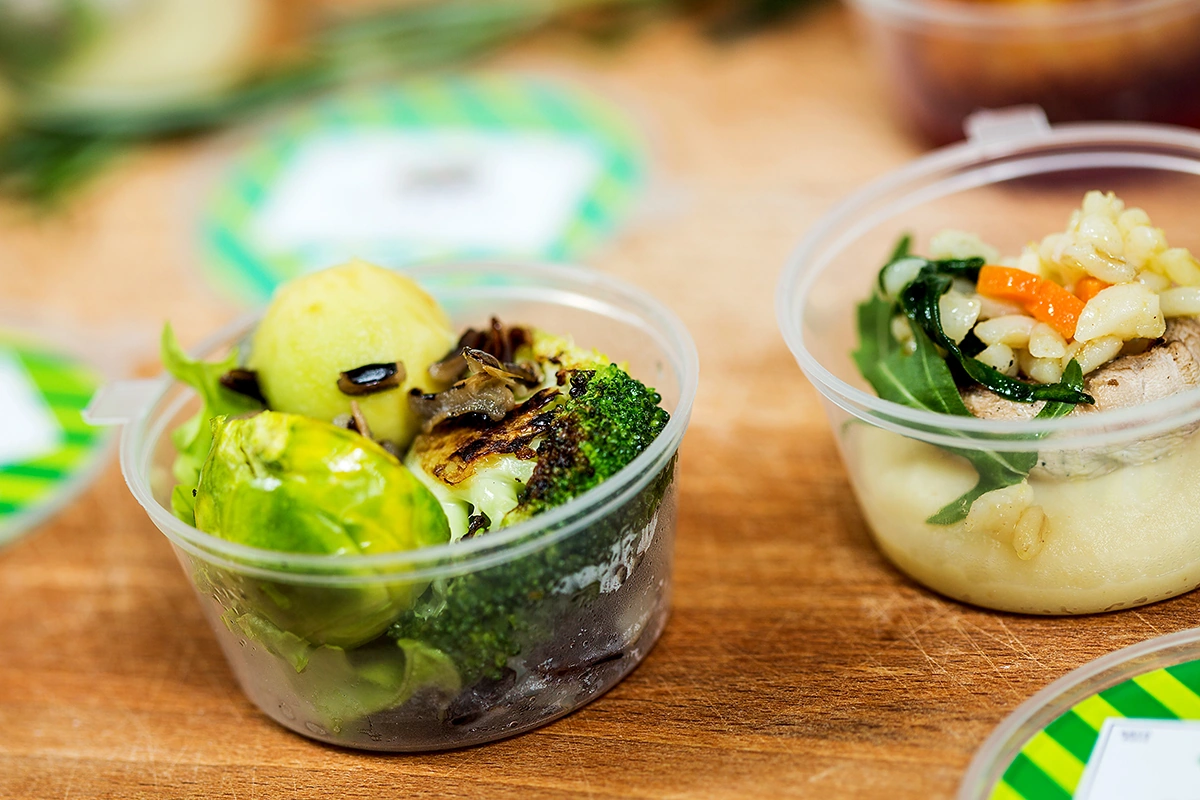
Even more crucial is to choose quality meal prep containers. Glass tends to outlast plastic, especially with frequent microwaving. Opt for BPA-free containers and think about food compartments, sizes, airtight seals, and whether they’re freezer-, dishwasher- and microwave-safe. TheSweetHome.com evaluated multiple container options to find the top picks for committed meal preppers.
Grocery Shopping Tips to Save
Try these grocery-shopping strategies to cut costs when buying food for meal prep.
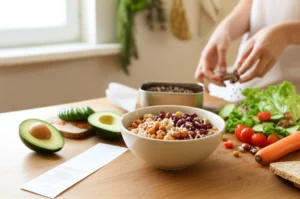
Always plan a list.Before entering the store, decide which dishes you’ll prepare that week. Seek inspiration from friends or online recipe sources. Inventory what’s already in your kitchen, add what you need to a list — and stick to it.
Don’t shop hungry.Pairing a list with a full stomach helps you resist impulse purchases like that extra bag of frozen snacks.
Leave cards at home and use a calculator.Bring only the cash you intend to spend or track totals via your phone calculator as you shop to account for sales tax. This practice helps you stay inside your meal prep budget.
Choose store brands and buy in bulk.There’s no shame in opting for generic options for many items — it’s smart shopping. If you have storage space, purchase nonperishable items in bulk, such as paper goods, cleaning supplies and frequently used spices.

How to Store Your Prepped Meals
Once you’ve planned and cooked, proper storage is essential. MyBodyMyKitchen.com shares these storage pointers:
Refrigerate for only a few days.Use airtight containers for fridge-stored meals and consider adding fresh veggies when reheating.
Freeze meals you plan to keep longer than four days.Remember to move a frozen meal to the fridge the night before you’ll eat it so it thaws by mealtime.
Keep in mind that not every food freezes well.Avoid freezing items like eggs, certain dairy products and cooked pasta.
Create pantry space for items that don’t require chilling. Consider dedicating a neatly organized pantry for prep staples like protein bars, homemade trail mixes and snack bags.
Additional Meal Prep Advice
The key to effective meal prepping is to plan ahead. Find recipes that match your tastes and budget, buy the necessary ingredients, and reserve time to prepare meals.
Many experienced preppers set aside a few hours one day a week. MealPrepHaven.com reports thatSunday and Wednesday are the most common daysfor meal prep.
Prepping on Sunday might carry you through the entire week, but if you prefer shorter prep cycles, prepare meals for the first part of the week on Sunday and top up midweek on Wednesday. Alternatively, you can do quick prep sessions each morning or evening.
Remember, meal prepping doesn’t require cooking everything at once. Spend time washing and chopping fruits and vegetables and baking proteins; then assemble or finish cooking components on the day you’ll eat them.
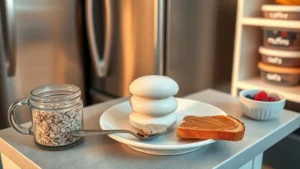
You can also keep items organized in designated spots (like that dedicated pantry) so they’re easy to reach when cooking — for instance, portioning two slices of bread into containers for each day makes morning toast quicker.
When planning meals, EatThis.com suggests following the 1+1+1 rule: one protein, one starchy carb and one fresh produce item.
Looking for tech help? Try meal prep apps like MealPlan Meal and Grocery Planner to stay organized.
Meal prepping might feel daunting at first, but once you develop a workable routine, it will save you time and money — and help you become a healthier version of yourself — faster than you expect.
Alex Turner is a full-time editor and proud dog owner who enjoys writing in spare moments — whether working on fiction or online pieces. Recently relocated to the Nashville area, he’s excited to explore the city with his partner: Go Preds!