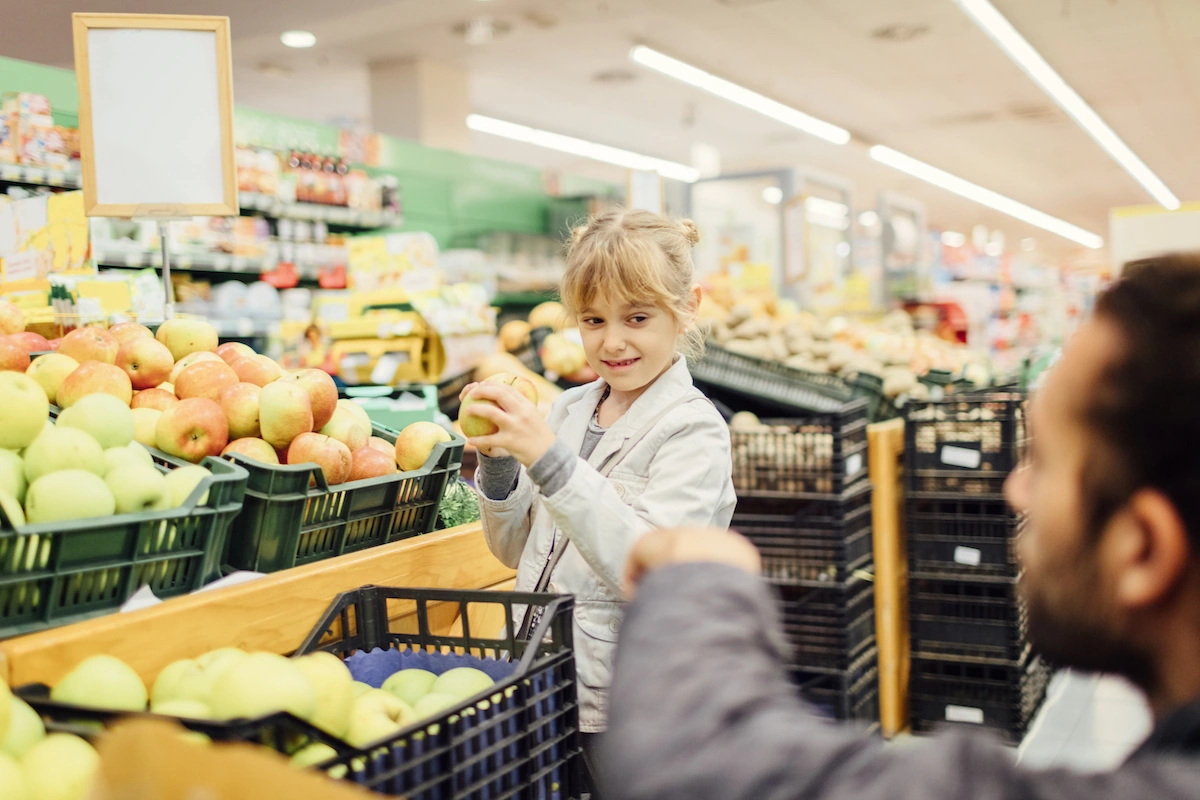
It’s a common scene: You’re in the produce aisle, surrounded by a riot of fruits and vegetables, wondering how on earth you’re supposed to tell what’s ready to eat.
You spot someone who appears to be confident — tapping a few melons, testing and discarding some before decisively dropping one into their cart.
But what exactly should you be listening for? Why is one slightly yellow while another leans toward green?
And honestly, why did you even come to the grocery store today?
No need to fret — we’ll walk you through how to pick the freshest fruits and vegetables so you get the most flavor (and value) from your groceries.
How to Pick Produce: Your Buying Guide
With produce, some items are clearly riper than others.
Choosing food that’s either ready to eat or still needs a few days to ripen can greatly influence how much you throw away — and how much you actually eat.
If your spinach turns brown and slimy overnight, you won’t get to enjoy it. And if your peaches are too firm, you might forget about them while they soften, only to find a mushy mess later.
To spare you sticky situations and help stretch your grocery dollars, here’s a rundown of what to look for in 12 common fruits and vegetables so you can pick items at peak ripeness (or give them time to mature) and reduce waste.
Apples

While it’s easy to tell when an apple has gone bad, several markers of ripeness and overripeness apply to many fruits — a useful trick when you’re scanning the produce shelf.
Look for an apple that’s firm, shows the appropriate color for its variety and feels heavy for its size — a weightier apple usually means juicier, riper flesh.
An intact stem area is a bonus: it helps preserve the fruit and prevents it from drying out.
Avoid apples with noticeable bruises, soft patches or marks, as these can hasten decay.
The great thing about apples is their longevity: keep a ripe apple in the fridge and it’ll last much longer than you expect. Some varieties can remain good for up to six months before becoming rubbery, and even then they’re often usable for sauces or pie filling.
Avocados
Few things are more disappointing than anticipating a creamy avocado only to find brown, mealy flesh inside.
Luckily, there’s an easy trick to judge avocado ripeness: pop off the tiny stem. If the spot underneath is bright green, the avocado is ripe or nearly there. If it’s brown, the fruit is past its prime.
If you buy rock-hard avocados, they’ll ripen in a few days on the counter and speed up inside a brown paper bag.
When they reach that ideal yield — soft but not squishy and shifting from dark green to brownish — refrigerate them to slow further ripening.
If you happen to miss the optimal window, overripe avocados are still great for other recipes.
Bananas

This one’s probably familiar.
Think of bananas as having a color-coded readiness system, where green signals “not yet,” yellow means “ready,” and brown indicates they’re moving into the mushy zone.
Yellow bananas are sweet and ideal for immediate eating; green ones are firmer and less sweet; heavily brown bananas range from great for baking to too soft for fresh eating.
If you buy them underripe, let them sit on the counter to reach your preferred stage. Once brown spots appear, pop them into the freezer to use in smoothies or baking later.
You can even make simple one-ingredient “banana ice cream” from frozen ripe bananas.
Berries

How often have you brought home a clamshell of berries only to see mold bloom within a day or two?
Berries naturally have a short shelf life, though they’re easy to eat quickly during peak season.
To pick the best ones, ensure both the fruit and the container are dry — moisture accelerates mold growth.
Bonus tip: give them a vinegar bath. If you rinse them thoroughly afterward, they won’t taste like vinegar, but this method kills spores that quickly turn into mold, extending how long they stay fresh.
Broccoli
Fresh broccoli should be green; its florets are actually flower buds that can turn yellow as they mature — not always a sign of spoilage.
For edible broccoli, the buds at the crown should be tight, closed and green. Inspect the cut stem too — it should feel firm and show no sliminess or odd discoloration.
Citrus Fruits

As someone familiar with citrus, I know these fruits often start green on the tree.
The best sign a citrus fruit is ripe is that it has developed its full color. If an orange still has green patches, it’s a risk: citrus doesn’t ripen much after being picked, so choose carefully.
The skin should be as smooth as the variety allows — wrinkled or shriveled skin signals fruit past its best.
Firmness typically means underripe, though sometimes fruit left out too long becomes small and rock-hard. Aim for citrus that’s plump and slightly yielding but still firm.
Corn
If corn is sold already shucked, you can easily check its quality: the kernels should be plentiful, plump and firm, with no signs of spoilage.
Corn still in the husk is fresher but trickier to inspect.
There’s no need to start peeling ears in the produce aisle. Instead, examine the husk — it should be green and snug against firm kernels beneath. The tassels at the top should be brown and a bit tacky.
Husks that are brown or tassels that are brittle and black indicate an older ear, so pass those by.
Lettuce and Other Leafy Greens

Buying pre-packaged lettuce gives you an expiration date, but leaves can brown or go slimy before that date arrives, even when sealed.
Leafy greens should be crisp, green and dry, without large brown patches. Squeeze a head of iceberg — it should feel solid and moist, with outer leaves intact.
Most greens have short lives (about a week at best), so plan to use them soon. After all, they’re nutritious and worth eating.
Melons
Melons are tricky — all the deliciousness is hidden behind a hard rind, making it hard to judge ripeness.
Become a sleuth and use the clues you can reach.
If you’ve seen people rap on a melon, you might wonder what they expect to hear — it’s not as clear-cut as it seems.
Some sources suggest selecting a melon that sounds full and higher-pitched rather than dull and low.
I prefer practical checks: with watermelon, heft it — a ripe one should feel heavy for its size because it’s full of water.
While holding it, look for the “field spot” where it rested on the ground; a ripe watermelon often has a creamy yellow patch. If the spot is white or greenish, the melon may not be fully ready but could be fine if you’re buying in advance for a later use.
Honeydew and cantaloupe are easier since you can assess their rinds. Choose symmetrical, unbruised fruit; both should smell sweet and yield slightly to gentle pressure when ripe.
If you want melons to last a bit, pick a scent-free, very firm specimen and don’t wait too long to enjoy it.
Although with peaches firmness helps prevent bruising during shipping, an overly firm peach will lack flavor.
Because peaches bruise easily, stores often carry them underripe. Like other ethylene-producing fruits (avocados, apples, tomatoes), you can speed ripening by placing peaches in a paper bag on the counter.
Ripe peaches smell sweet and give slightly when pressed. Note that yellow tones denote ripeness more than red coloring, which mainly reflects sun exposure.
Pineapples

Picking a pineapple can look intimidating thanks to its spiky exterior.
Start by smelling the base — a ripe pineapple will have a sweet aroma, though the scent is subtler behind the tough skin.
A perfectly ripe pineapple will yield just a little under firm pressure. If you want it to last a few days at home, select a firmer specimen at the store and let it ripen on your counter.
Squash
Squash is similar to melon in that it’s encased in a tough shell and can be hard to gauge.
Gently squeeze and judge its weight — it should feel substantial for its size. The skin ought to be matte rather than glossy and free from major blemishes.
A helpful shortcut is to buy squash in late summer and early fall when it’s in season.
Jamie Cattanach is a contributor to Savinly.