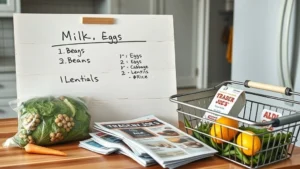
In April, U.S. shoppers saw grocery bills climb 2.6% compared with March — the biggest single-month jump since February 1974, the Washington Post reports.
Prices for meat, poultry, fish and eggs rose 4.3% by themselves. And analysts anticipate further tightening of meat supplies as processing facilities close when employees contract COVID-19.
With stay-at-home directives and safety practices still widespread and restaurants only slowly reopening, our need for food to prepare at home has surged. That shift has some food manufacturers considering pausing routine discounts and promotions soon, MarketWatch says.
To keep rising grocery costs from derailing your budget, here’s practical guidance for coping with higher food prices.
Save Money and Stay Fed During Meat Shortages
The coronavirus crisis has disrupted pork and beef production and processing, leaving many of us preparing for tighter meat supplies as warehouse stocks and supermarket shelves shrink.
As of May 11, pork output was 24% lower than the same week the prior year, and beef output was down 31%, according to the USDA’s weekly market report.
Expect reduced availability to push prices higher — then consider these substitutions.
Choose Chicken and Seafood
Chicken and seafood supply chains differ from those for pork, lamb and beef, and have been less affected so far by the pandemic.
You may notice some price increases and smaller inventories as households shift some pork and beef consumption toward chicken and fish. For the moment, swapping to these proteins can help you avoid steep costs for items like ground beef and bacon.
Try Meatless Mondays
Adopting one meat-free day a week can lower your risk of obesity-related illnesses, reduce environmental strain and shrink your grocery bill.
Use these 10 Meatless Monday recipes to replace chicken, pork, beef and fish once weekly, trim spending and stretch your remaining meat.
Go Fully Vegetarian
You could cut costs further by switching to a vegetarian diet — at least until meat prices stabilize.
Being vegetarian doesn’t mean losing out on protein or feeling hungry. You can enjoy filling, flavorful plant-based meals without meat!

Explore some favorite vegetarian and vegan options:
- Eggplant: A surprisingly protein-rich meat substitute that works in many dishes.
- Seitan: Store-bought seitan can be pricey, but making it at home yields an economical vegan protein for versatile use.
- TVP: Textured vegetable protein is a flavorful, adaptable soy product you can use instead of ground beef.
- Vegan meals: Recipes for couscous, empanadas and quinoa casserole help you eat plant-based on a budget.
- Protein bars: Four homemade protein-bar recipes that cost 65 cents or less per serving.
- Instant Pot: Vegetarian Instant Pot dishes that run under $2 per serving.
- Veggie burgers: Everything you need to make homemade veggie burgers — including a recipe that costs only 47 cents per serving.
Or experiment using these inexpensive protein sources to invent your own dishes.
Save Money on Other Grocery Essentials
As prices fluctuate and uncertainty persists, picking up a few tactics to stretch your grocery dollars can really pay off in the months ahead.
Make Produce Last
It’s hard to keep vegetables fresh between cautious grocery trips. But tossing produce too soon wastes money.
Here are favorite ways to use aging produce:
- Spinach: Freeze wilted spinach or use it in these recipes before it turns slimy.
- Pears: Overripe pears are great in smoothies, jams, desserts and breakfasts.
- Avocados: Use browned avocados in dressings, snacks, sauces and even sweet treats.
- Peaches: Extra-ripe peaches work well in drinks, preserves, dinners and pie.
- Bananas: Put overripe bananas to use in banana bread and other recipes.
And a few more cost-cutting ideas for fruits and vegetables:
- Grow your own for free: Reduce your produce bill to zero by regrowing vegetables from kitchen scraps.
- Store them properly: Keep produce fresh longer by using correct storage methods.
- Buy frozen: Frozen fruits and vegetables have improved dramatically and are often as tasty and nutritious as fresh, for a fraction of the price.
Reduce Food Waste

Cutting food waste is an easy way to make your grocery dollars go further — and ease the burden on local landfills.
Bottom line: Americans discard far too much food. That’s a waste of growers’ inputs, labor, land, fuel and, most importantly for you, money that could be used elsewhere.
Try these approaches to curb food waste and stretch your budget:
- Take inventory and make a shopping list before you go so you don’t buy duplicates.
- Buy fewer perishables and fill in with canned, dried and frozen staples that keep longer.
- Buy root vegetables in bulk. Roots like beets, carrots, potatoes, onions and garlic last much longer than leafy greens or tomatoes, so stock up when prices are favorable.
- Don’t fear the sell-by date. It doesn’t indicate when food becomes unsafe. Here’s what sell-by dates actually mean.
- Reuse coffee grounds for compost, cleaners or beauty products to avoid waste and save money.
Shop Your Pantry
Cook from what you already have: take stock of your pantry and pledge to use it up before buying new ingredients. It lowers waste and trims how much you need to purchase each grocery trip.
Here’s how one family of four cuts $20 to $30 per week off their grocery bill by using pantry items before shopping.
Plan Your Meals
Mapping out weekly meals helps you shop smarter and avoid last-minute orders for takeout or delivery.
Here’s a straightforward way to create a meal plan your household will actually follow.
Explore Alternative Shopping Options
Your regular supermarket may not offer the best values on every item. Try these alternatives to save money:
- Imperfect produce: Sign up for services that sell cosmetically imperfect or surplus produce at discounted prices to prevent waste.
- Ethnic markets: Asian and Latin grocery stores often have lower prices on many items and carry products you won’t find elsewhere.
- Farmers markets: If your local market usually runs this time of year, check how it’s operating during the pandemic. Some markets offer online ordering and curbside pickup now. Buying directly from growers can be cheaper than supermarket prices.
Make Your Own Cleaners
Try DIY alternatives to avoid harsh chemicals and save money on household products like fabric softener, WD-40 and mouthwash.
Cleaning supplies have been inconsistent in stores the past few months. These simple homemade cleaners can save money and fill the gaps.
Cut Pet Food Costs

Your pets probably don’t care about the pandemic — they’re just happy you’re home — but their food could be affected by supply-chain disruptions as well.
If stocks dwindle or costs rise, try these ways to stay stocked and save on pet food:
- Join pet store loyalty programs. Like grocery reward programs, you can earn points on pet purchases and work toward discounts.
- Feed pets some human foods.Animal Planet notes that baked carrots, steamed asparagus or broccoli, green beans, winter squash and chopped greens are safe for cats. WebMD suggests rice, pasta, cooked lean meats, certain fruits and vegetables, peanut butter and baked bread are acceptable for dogs in moderation.
- Store pet food correctly. Reseal packages to keep food fresh and serve only the portion they’ll eat so it doesn’t go stale.
- Look for pet food pantries. Contact local shelters about pet food banks where you may qualify for free cat and dog food.
Get Free Food If You Need It
If you lose a job or face reduced income, you may qualify for food assistance. Visit Feeding America to locate food pantries and other resources near you.
Here’s how to determine eligibility and apply for SNAP benefits, the federal food assistance program for low-income households in the U.S.
Jamie Morales has been reporting and editing since 2011, covering personal finance, careers and lifestyle topics.