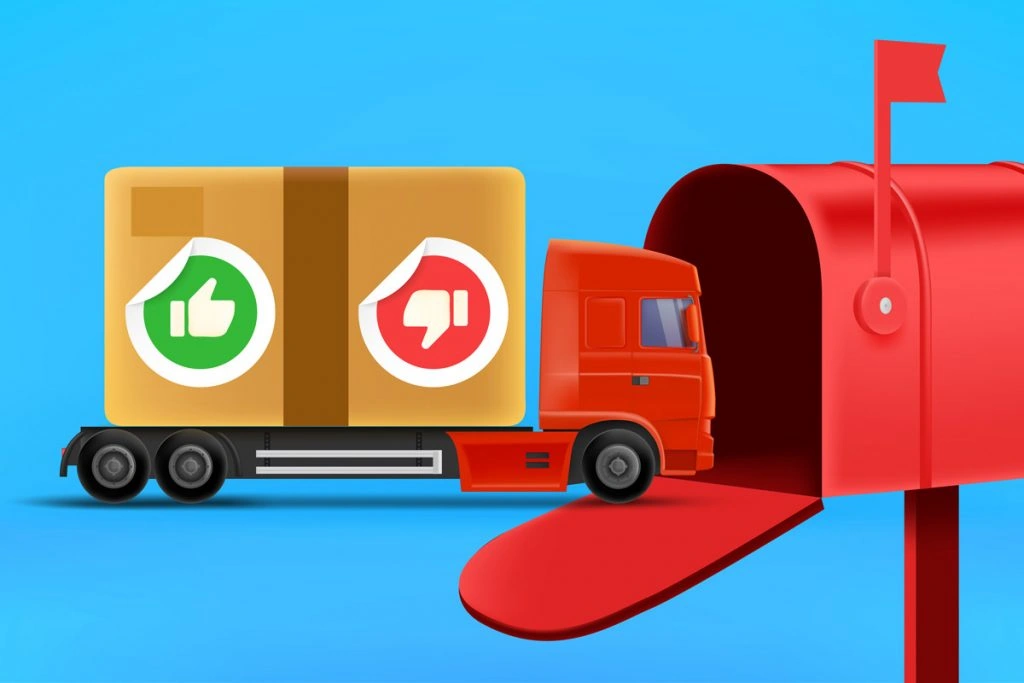
The charm of a subscription box is easy to understand: a small treat delivered to your doorstep every month. Even better, the contents are often a surprise — a bit like getting a present on the regular.
But, like any marketing trend, monthly subscription boxes come with advantages and drawbacks. Beauty boxes such as Birchbox aim to keep customers engaged, so their monthly plans drop in price from $15 to $13 depending on how long you commit.
That discount is appealing, but introductory pricing sometimes only has one direction afterward: up.
We want to help remove the impulse to sign up for the wrong subscription by equipping you with the right questions to ask before you click yes.
Certain subscription boxes are worth the recurring charge — it’s a personal calculation. With these green and red flags in mind, you’ll be better prepared the next time a subscription box email lands in your inbox.
5 Green Flags About Subscription Boxes
Look for these positive signs when deciding whether to subscribe to a monthly box. Reviews are plentiful online and company websites usually outline what you’ll receive. Know your budget and preferences so you can make an informed choice.
- Good reviews
- Full-size products
- Good value for you
- Customizable
- Unique offerings
1. The Reviews Are Positive
When shopping online, it’s wise to read customer feedback. Yes, there’s often an unhappy reviewer who skews perception, but seeing how real buyers interact with the product and customer service can reveal how issues are handled if they arise.
The easiest way to find feedback on a subscription service is an online search — type the box name and you’ll typically find independent reviews from actual users.
Reviewed publishes in-depth breakdowns listing full products and clarifying the perks that come with a monthly box. For instance, some boxes like FabFitFun grant access to a shop of discounted items, so your subscription might include benefits beyond that month’s featured pieces.
2. The Products Are Full-Size
This is a major consideration in the subscription model. Companies might advertise five or six items per month, but you should check whether those are sample-sized or full-sized. Small samples are common with makeup and other beauty offerings — you might be fine with that, but it’s important to know in advance.
One way to identify which monthly boxes deliver the most value is by consulting sites like Hello Subscription. Their round-up of beauty boxes that include full-size products makes it clear. Popular beauty services such as Ipsy Glam Bag Plus and Boxwalla Beauty can include items like a full-size eyeshadow palette or a body serum in a monthly delivery.
3. The Value Is Right for You
Understand what you’re paying for before committing to a subscription. Is the box meeting a real need, or just serving as entertainment? Consider other recurring purchases — pet supplies, snacks, razors, makeup — and whether a subscription makes financial sense.
Rachel Cruze highlights a useful perspective: if you’re happy paying $3 a month for a pack of 10 razors, there may be no need to join a shaving service. Shave subscriptions for men and women are popular, but their value varies by individual.
The decision hinges on your personal value equation. If you’re paying over $8 a month for razors, a subscription like Athena Club, which costs about $9 monthly, or Harry’s, with pricing that changes by frequency, could be worthwhile for you.
4. The Contents Are Customizable
The term “customizable” is a definite green flag for subscription services.
It’s important to understand what customization actually entails — it’s not that you can pick every item, but that you can tailor selections to your preferences. Clothing boxes such as Stitch Fix, for example, ask customers to complete a detailed style quiz so personal tastes and needs are recorded.
5. The Products Are Unique
Another important phrase to watch for is “unique.” Many subscription boxes simply provide items you could buy elsewhere — baby food or razors — and what you’re paying for is convenience. If you want a curated experience, however, you’re paying for curation and expertise.
If that’s your goal, specialty boxes like Loot Crate, which delivers pop-culture surprises, or Toy Box Monthly, a monthly gift box for young children, might be the better fit.

4 Red Flags About Subscription Boxes
Watch for these warning signs when deciding whether to enroll in a monthly subscription. Be wary of services that make cancellations hard, complicate exchanges, or raise rates over time. Always read the fine print.
- Difficult to cancel
- Hard to exchange products
- Escalating fees
- Poor fit for you
1. Cancelling Is a Struggle
Imagine you start a three-month plan. Your first box arrives and while it’s fine, it’s not something you want to continue. If cancelling feels impossible or overly convoluted, that’s a major red flag.
You can learn this from reviews, but if you don’t want to comb through long posts, check the company’s own site.
Look for clear language that lets you cancel anytime and explains the process plainly. FAQ pages — like this one for men’s fashion box Menlo House — should spell out how and when cancellations are allowed.
2. Exchanges and Returns Are Complicated
Clothing boxes are often the trickiest when it comes to returns. Many operate by sending several items and letting you return the pieces you don’t want, which is helpful: you only pay for what you keep.
Some services, such as Dia & Co and Italic Bold, provide free returns. Always verify a subscription’s return policy before signing up.
3. Intro Prices Rise Quickly
Many subscription services lure customers with attractive introductory deals that can feel irresistible. Promotions like getting a large discount on meal kits are everywhere.
But those offers often don’t reflect the ongoing cost of the service. When a discount ends or you forget that $15 a month equals $180 a year, what felt like a tiny indulgence can become a noticeable expense.
Companies need revenue, of course, but you should know what your payments will look like after the introductory period.
4. The Subscription Isn’t Right for You
This is the most common red flag: the box simply isn’t a fit. Tianna Ouellette reviewed FabFitFun and explained why she cancelled — a useful perspective for anyone considering a subscription.
“I honestly found that the items were not the best,” Ouellette said. “Quality-wise, they were a real hit or miss. Some boxes I was basically thinking, ‘I guess I’ll choose this, because there’s nothing else I really want in here.’ It started to get very repetitive.”
That disappointment can come from signing up for the thrill of surprises rather than a consistent, useful product stream.
If a subscription’s novelty doesn’t translate into ongoing satisfaction, it may not be worth the recurring charge. Before spending another dollar on curated snacks, dog treats, or scented lotions, reflect on whether the box meets a genuine need or simply fills a temporary craving.
Contributor Mara Ellis frequently writes about online selling and personal finance for Savinly. Her work has appeared in Teen Vogue, Smithsonian Magazine and the Tampa Bay Times.
For more ideas on recurring purchases that can still save you time and money, check out our roundup of best subscription boxes.