With so many eating plans floating around, the choices can start to feel like alphabet soup. (… Is alphabet soup even permitted on your plan?)
You might’ve caught conversations about one plan in particular that sounds quick and efficient. The DASH diet is a nutritious approach frequently recommended for people managing high blood pressure or for anyone aiming to stay well and fit.
If you’re hoping to sprint toward better health, keep reading.
What Is the DASH Diet?
DASH stands for Dietary Approach to Stop Hypertension. It’s a meal framework abundant in wholesome carbohydrates like whole grains, fresh fruit and vegetables, while being low in saturated and added fats and sugars. It also features lean proteins, legumes and low-fat dairy options.
Basically, it’s what most people picture when they imagine someone “eating right.”
Clinical trials have shown the DASH plan can significantly lower blood pressure when followed consistently, and, true to its name, improvements can appear fairly quickly.
“By adopting the DASH plan, you may see your blood pressure drop a couple of points within two weeks. Over time, your systolic pressure could fall by eight to 14 points, which substantially reduces health risks,” reports the Mayo Clinic.
And the DASH approach isn’t reserved solely for those with hypertension. Its recommendations align with dietary guidance intended to lower the risk of conditions like osteoporosis, cancer, heart disease, stroke and diabetes.
Indeed, the DASH eating plan is regarded as so healthful that it’s included in the 2010 USDA dietary guidelines as an exemplary pattern; it also topped U.S. News & World Report’s 2016 ranking of “Best Diets Overall.”
But if you’re here, you’ve probably already grasped the DASH diet’s advantages.
So now that you’re beginning a healthier routine… how will you afford it?
How to Cut Costs While Following the DASH Diet
You’ll want to keep both your body and your finances in good shape.
And as you’ve likely noticed, the fresh, minimally processed items central to the DASH way aren’t always the cheapest picks on the shelves.
Fortunately, there are many strategies to make the DASH diet budget-friendly. If you adopt these practices, you may even discover that eating well costs less than depending on processed meals, convenience foods or dining out.
Below are several effective tactics to trim expenses on the DASH diet.
1. Map out your meals.
When you follow any structured eating plan, it helps to design your meals as far in advance as you can. (Many people plan by the week, or even by the month.)
Being organized does double duty: It helps you resist temptation and adhere to your plan, and it also simplifies grocery budgeting, because you’ll know exactly what you need.
A DASH meal plan centers on fresh produce, legumes, whole grains, lean proteins and dairy. In short, there’s a lot more listed for what youcaneat than what you shouldn’t.
So you can get imaginative with your menus… or save time and use a pre-made plan crafted by experts. There are plenty of sample menus and helpful resources available online!
2. Make your shopping trips smarter.
Grocery stores aren’t all the same. You can save a lot by choosing where — and how — you shop.
Start by identifying which staples you’ll use most. For the DASH plan, that could include lean cuts like chicken breast, and low-fat dairy such as yogurt and milk.
With your list ready, compare prices at a few local stores.
You can decide on one store as your primary source… or, if you have the time, split trips between two stores. (It may seem inconvenient, but the savings can be substantial. One dad saves $150 monthly by adding a quick extra stop each week!)
3. Buy bulk when possible.
The DASH emphasis on whole grains and beans plays right into your budget-friendly shopping.
Staples like dried beans and brown rice are perfect for bulk purchases — which can deliver major savings over time.
If you’re not a member of a warehouse club such as Sam’s or Costco, consider whether a membership makes sense for you and your household. A $50 yearly fee can be a bargain when you factor in the discounts.
Even without a membership, you can still buy bigger packages at a standard grocery. For example, choose the family-size bag of frozen broccoli or a larger bag of quinoa — it’s almost always cheaper per unit.
And if you prep meals in advance and use your freezer, you can buy meat and other perishables in larger quantities or stock up when they’re discounted.
4. Use coupons and rebate apps (yes, really)
You might assume coupons are only for boxed, branded products that don’t fit your new regimen.
That’s not true.
If you haven’t tried it, download Ibotta — a rebate app that returns cash for everyday buys from groceries to travel. While many offers are for packaged things, you can also find rebates on fresh produce, eggs or milk.
Simply verify purchases by taking a photo of your receipt. Once you reach $20 in rewards, you can transfer the money to PayPal or Venmo, or redeem a gift card.
Not bad, right?
8 Budget-Friendly DASH Recipes You’ll Love
Now that you know how to save while sticking to the plan, it’s time for the tasty part: eating it!
Here are some favorite DASH-style recipes, whatever meal you’re craving. Even better, none of these comes in at over $5 per serving!
(Note: Prices are estimates based on the writer’s neighborhood Walmart and grocery; your actual cost may differ.)
1. Breakfast: Pumpkin Breakfast Cookies
Cookies for breakfast? We’re into it.
DASH Diet Oregon shares this pumpkin cookie recipe that’s perfect for prepping ahead — it yields 48 servings!
- One can pumpkin puree: $1.88
- 1 1/2 cups brown sugar: $0.74
- Two eggs: $0.26
- 1/2 cup vegetable oil: $0.16
- 1 1/2 cups unbleached white flour: $0.30
- 1 1/4 cups whole wheat flour: $0.51
- One tablespoon baking powder: $0.09
- 1 1/2 teaspoons pumpkin pie spice: $0.20
- 1/2 teaspoon salt: $0.01
- One cup raisins: $1.12
- One cup walnuts or hazelnuts: $3.36 for walnuts; hazelnuts generally cost more ($1 per ounce)
Total Cost: $8.63 for the batch, or $0.18 per cookie
2. Smoothie: Banana-Berry Oat
Smoothies are a fast, portable way to start your day, and they’re easy to adapt to what you have on hand.
This recipe uses a frozen banana to make the blend creamier and naturally sweeter.
- 1/2 cup ice: $0.03
- One banana: $0.19
- One cup frozen mixed berries: $1.68
- 1/2 cup plain low-fat yogurt: $0.45
- 1/2 cup rolled oats: $0.20
- One cup low-fat milk: $0.14
- Optional sweetener: $0.04
Total Cost: $2.73
3. Salad: Orange-Sesame Shrimp Salad
Salads don’t have to be boring. Done well, they’re exciting and tasty.
Here’s a DASH-friendly option from EatingWell, featuring a quick homemade dressing you’ll want to use on everything.
- Two cups romaine lettuce: $0.80
- 1 1/2 cups red cabbage: $0.38
- Three ounces shrimp: $1.47
- 1/2 avocado: $0.75
- 1/4 cup orange juice: $0.24
- 1/4 cup cider vinegar: $0.09
- Two tablespoons sugar: $0.05
- Two tablespoons reduced-sodium soy sauce: $0.12
- One teaspoon toasted sesame oil: $0.12
Total Cost: $4.02
4. Soup: Chicken and Wild Rice
What’s more comforting than a pot of chicken soup? Not much.
This rendition from the Dash Diet Collection is flavorful, healthy and very simple to prepare. Though it doesn’t list exact servings, with 12 cups of broth and 1.5 pounds of chicken, you’ll easily get several meals out of it.
- Two cups onions: $1.24
- Two cups carrots: $0.68
- Two cups celery: $0.62
- Four cloves garlic: $0.21
- One cup green beans: $0.49
- One cup wild rice: $3.84
- Two bay leaves: $0.13
- 1/4 teaspoon ground black pepper: $0.01
- 12 cups organic chicken broth: $5.94
- 1 1/2 pounds boneless chicken breast: $5.14
- One cup fresh parsley leaves: $0.98
Total Cost: $19.28, or $4.82 per serving — though you could reduce this by choosing conventional broth or substituting wild rice with a cheaper grain or pasta.
5. Dinner: Barbecued Pork Chops with Roasted Potatoes and Kale

Pork often gets overlooked: it’s more filling than chicken but leaner than many beef choices, and it’s versatile.
This complete meal from Katie Webster is cooked in a foil packet to keep the meat moist without extra fats — and cleanup is easy.
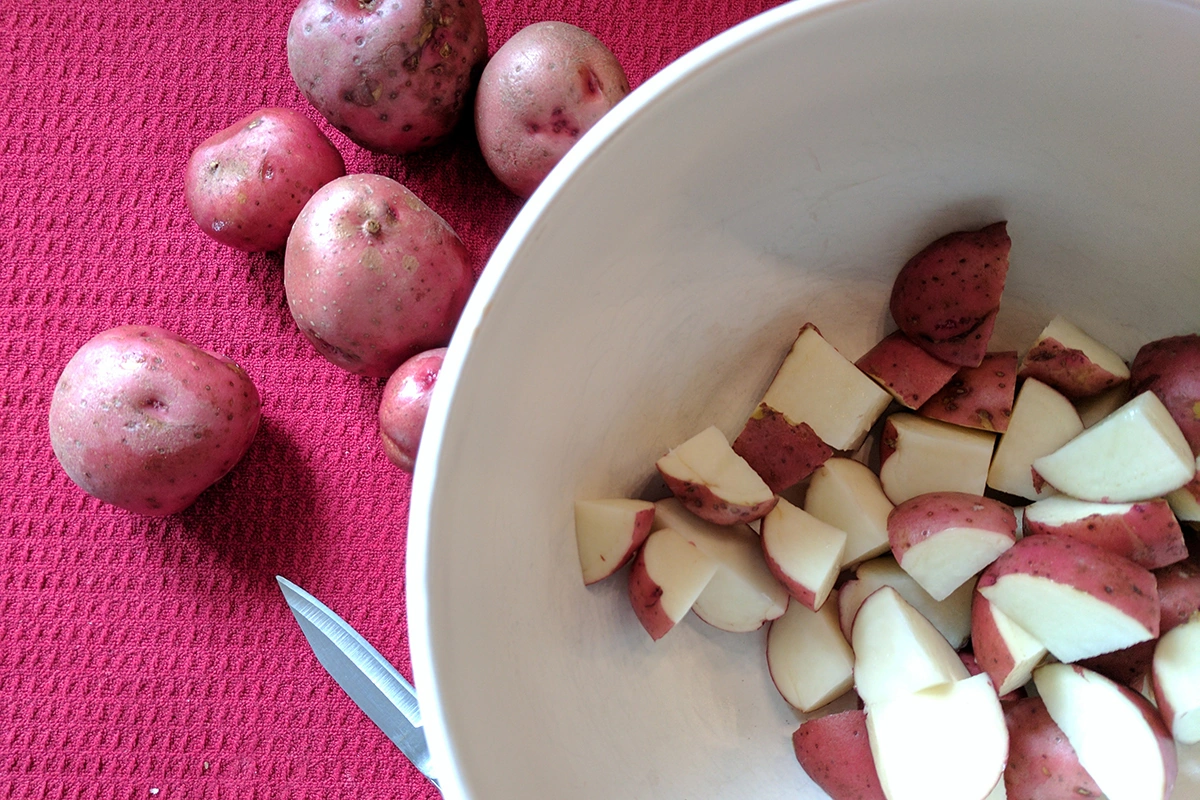
- 1 1/2 pounds red or yellow potatoes: $1.24
- Four cups kale: $1.18
- Two tablespoons canola oil: $0.10
- One teaspoon chili powder: $0.12
- One teaspoon paprika: $0.12
- 1/2 teaspoon salt: $0.01
- 1/4 teaspoon garlic powder: $0.02
- 20 ounces boneless pork: $4.48
- Four tablespoons barbecue sauce: $0.14
- Two tablespoons water: $0.01
Total Cost: $7.42, or $1.85 per serving (!!)
6. Bread: Honey Whole Wheat
Yes — bread can be part of a healthful diet.
This loaf includes nutritious additions like flaxseed and is sweetened with honey and applesauce, making it an excellent base for sandwiches.
- One cup rolled oats: $0.40
- Three cups water: $0.03
- Three cups whole wheat flour: $1.02
- 3/4 cup soy flour: $1.36
- 3/4 cup ground flaxseed or flaxmeal: $0.96
- Three tablespoons whole flaxseed: $0.31
- Three tablespoons sesame seeds: $0.58
- Three tablespoons poppy seeds: $0.29
- 4 1/4 tablespoons yeast: $2.20
- One tablespoon sea salt: $0.01
- One cup unsweetened applesauce: $0.48
- 1/2 cup honey: $0.78
- 1/4 cup olive oil: $0.45
- Five cups unbleached white flour: $1.00
Total Cost: $9.87, or about $0.49 per slice. (It might seem pricey, but it’s far healthier than many prepackaged loaves.)
7. Side: Roasted Brussels Sprouts with Maple
If brussels sprouts turned you off as a kid, give them another chance.
Two teaspoons of sweetener — in this recipe, pure maple syrup — help transform this nutritious veggie into something craveable. You may even go back for seconds.
- Two cups brussels sprouts: $3.12
- One tablespoon olive oil: $0.21
- Two teaspoons maple syrup: $0.18
- Salt and pepper, to taste: $0.03
Total Cost: $3.54, or $0.88 per half-cup serving
8. Dessert: Grilled Peaches with Honey and Yogurt
Think healthy eating means giving up sweets? Not true.
This summer-inspired dessert uses heat to concentrate the peaches’ natural sugars. Feel free to swap in whatever fruit is ripe in your area!
- Two large ripe peaches: $1.59
- 1/4 cup fat-free vanilla Greek yogurt: $0.23
- 1/8 teaspoon cinnamon: $0.02
- 2 tablespoons honey: $0.19
Total Cost: $2.03, or about $0.51 per serving
Enjoy, Savinly Readers!
Disclosure: A tip of the hat to savings! We included affiliate links in this article.