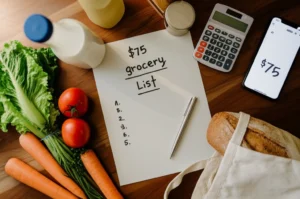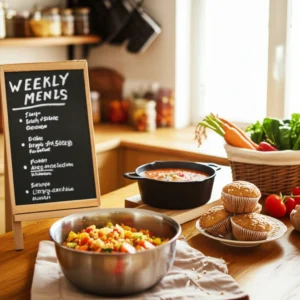
Walking out of the supermarket feeling drained because of the total at the register has become common. Food prices have climbed, and households are feeling the pinch — both in their wallets and kitchen cupboards.
It might appear that choosing nutritious meals means skimping or cutting corners to keep costs down, but that’s not necessarily true. Many wholesome items available at regular stores can also be very budget-friendly.
We spoke with Wendy Wesley, a registered dietitian and licensed nutritionist based in Florida, to learn which nutrient-packed foods are economical and how to stock up on ingredients for healthy meals without overspending.
Why Does Healthy Eating Seem So Costly?
If buying wholesome items feels expensive, it may be more about perception than reality.
Healthy choices — fresh produce, whole grains and similar items — can seem pricey, but these nutrient-rich foods are satisfying and form the backbone of a balanced diet.
Wesley explains that the idea a nutritious diet is pricier often comes down to convenience. Preparing a tasty, healthy meal typically requires more time.
“For some people, time equals money,” Wesley says. “And that can be a barrier to eating better.”
Finally, having a pantry and fridge stocked with basics like chicken breast, olive oil or garlic powder is essential to keeping meals healthy and affordable.
“If someone doesn’t have a stocked pantry, and they’re looking at a recipe with 11 ingredients, it can seem like a lot,” Wesley adds.
Where to Find Affordable, Nutritious Food?
You may want to whip up a healthful, antioxidant-rich breakfast, but the familiar box of cereal still looks cheaper.
The key to getting nutrient-dense foods on a budget is accepting that you won’t find the best deals in a single spot.
Wesley believes home cooking generally costs less overall, though locating inexpensive produce can be tricky. She suggests exploring farmer’s markets and local alternatives.
“If I go down to the produce stand at the corner, I can get a lot out of $20. Probably three times as much as what I get at Publix for the same cost,” she says.
It’s also smart to skip aisles filled with snacks or pre-made meals. Wesley often advises clients to avoid sections labeled “nutrition.”
“People think they need expensive protein powders and supplements, and most of the time, they really don’t,” she notes.
Dietitians typically don’t recommend those kinds of supplements unless a person has a specific medical need or is severely underweight.
Top 10 Budget-Friendly Foods That Are Also Healthy
- Canned tomatoes
- Oats
- Peanut butter
- Sweet potatoes
- Beans and lentils
- Canned tuna
- Frozen vegetables
- Frozen berries
- Whole grains
- Yogurt
1. Canned Tomatoes
Canned tomatoes are a bargain among pantry staples. They’re rich in vitamin C, and consuming tomatoes has been connected with lower blood pressure.
Beyond the health perks, canned tomatoes store for a long time and are useful in many healthy dinner recipes, from soups and stews to baked dishes.
Worried about BPA in cans? Most U.S. brands phased out BPA (Bisphenol A) in cans years ago due to concerns about its potential effects on brain health.
2. Oats
Skip the flavored instant packets that are loaded with sugar and opt for plain, old-fashioned oats — they’re naturally gluten-free and very affordable.
Oats are adaptable, inexpensive, provide B vitamins, and supply healthy carbohydrates and fiber. Research even suggests oats as part of a balanced diet could help reduce heart disease risk.
3. Peanut Butter
There’s a notion that peanuts — and peanut butter — are less wholesome than pricier nut spreads.
Actually, peanuts are among the nuts highest in protein and offer a heart-healthy profile comparable to more expensive nuts like almonds. Just watch portion sizes, and you’ll be fine.
4. Sweet Potatoes
Potatoes often get labeled as carb-heavy, but a plain baked potato can be a filling, relatively low-calorie source of magnesium.
To get more nutrition per dollar, choose sweet potatoes, which are richer in potassium and fiber than white potatoes.
5. Beans and Lentils
“Pound for pound, the most inexpensive protein is canned beans,” Wesley says.
Beans can cost as little as $1 per can, and varieties like black beans or red lentils are excellent for soups, tacos and grain bowls.
If you’re aiming to stretch your food budget even further, buy dried beans and allow more prep time — they’re cheaper per serving once cooked.
6. Canned Tuna
Fresh seafood can be pricey, but canned tuna offers similar nutrition, particularly for things like Vitamin D and eye health.
Worried about mercury? While pregnant people should limit some fish, you’d need to consume roughly three cans a day for six months for mercury levels to become a major concern.
7. Frozen Vegetables
It’s worth repeating: inexpensive frozen veggies like green beans are often preserved at peak freshness, locking in nutrients and value.
Canned fruits can be a close alternative, though watch out for added sugars. Choose “no added sugar” when possible.
Canned or frozen, these options are great for tossing into stir-fries or bowls to reduce meal prep time.
8. Frozen Berries
Berries, which are high in disease-fighting nutrients that support the immune system, can be expensive fresh, especially off-season.
Frozen berries are ideal for smoothies and oatmeal, last for months in the freezer, and typically cost just a few dollars per bag.
9. Whole Grains
Whether it’s whole-grain pasta or brown rice, Wesley advises stocking up on grains — even opting for more convenient versions if that helps you cook more.
“I always try to find that line between convenience and price,” Wesley says. “If it means you’ll cook more at home, buy the instant brown rice.”
Since many healthy meals are built on a grain base, make a large batch of rice or quinoa on the weekend and use portions throughout the week.
10. Yogurt
Yogurt often contains higher levels of calcium and potassium than cottage cheese, two nutrients important for reducing bone loss.
Greek yogurt is popular for its thickness and extra protein, making it a versatile swap for sour cream and other higher-fat dairy products.

Four Steps to Cooking Affordable, Healthy Meals at Home
Buying healthy foods is only part of the equation — you need to actually use them. Here are Wesley’s top strategies to reduce waste and prepare low-cost, nutritious meals.
Step 1: Start With a Clear Goal
Before you begin, identify your motivation and set a realistic target.
Wesley tells people trying to cut back on takeout and cook more that having a tangible goal helps keep them on track.
For example, one client wanted to save for a trip to Paris.
“When we looked at what they were spending in DoorDash and Uber Eats, the money was right there,” she says.
Step 2: Buy Larger Quantities
One common mistake Wesley sees is purchasing expensive cuts of meat just for a single meal.
“If I see a sale on a big package of pork chops, and they’re basically giving them away, I’m going for it,” she says.
She suggests dividing bulk purchases into meal-sized portions and freezing them in separate bags for easy thawing later.
Step 3: Keep Produce Fresh Longer
Wesley recommends storing fruits and vegetables in clear, humidity-controlled containers inside the fridge.
“People go to the store with wonderful intentions. And then, at the end of the week, they end up throwing out food. Why? They’ve used those drawers every fridge comes with. I call them the ‘drawers of death,’” she says.
When produce is stored in visible containers, it’s easier to remember and use before it spoils.
Step 4: Keep Meals Simple
Wesley suggests simplifying meal prep by building bowls, cooking a big batch of grains, or chopping vegetables on the weekend to save time during the week.
“If a recipe has more than six ingredients, throw it away,” she advises.
Also consider community resources when you need extra help stocking your pantry — for example, food banks cash can be an avenue for assistance in some areas.
Kaz Weida is a senior staff writer at Savinly covering saving strategies and budgeting. Over the past decade, Kaz has reported on a wide range of topics including personal finance, health, politics, education and technology.