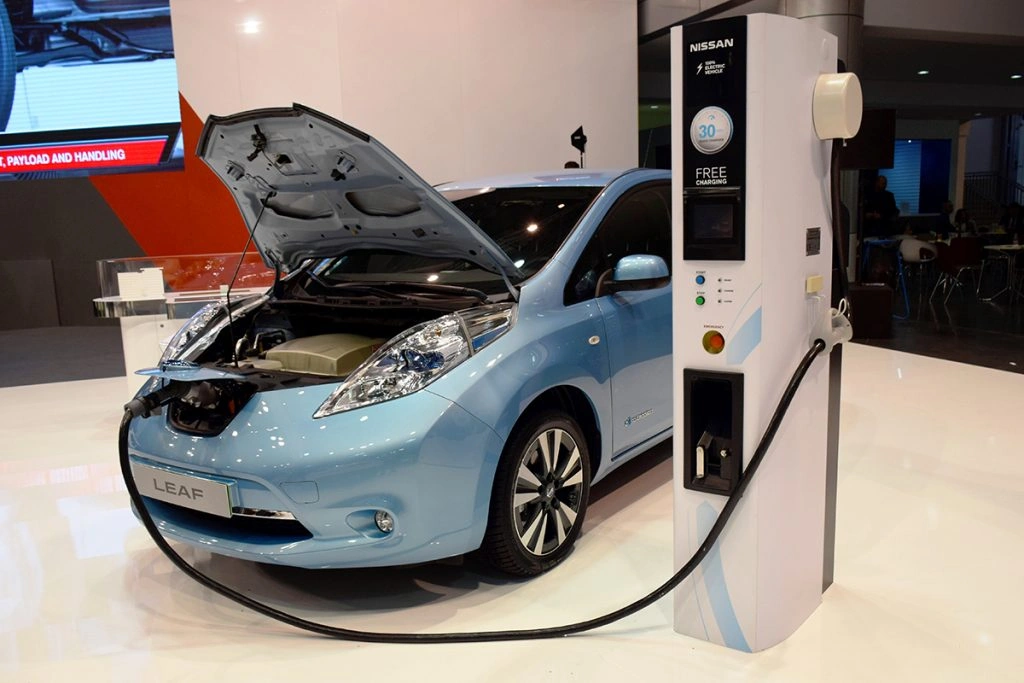
Two years ago I took a Nissan Leaf for a spin at the Chicago Auto Show and was instantly smitten. The ride was smooth and hushed, and I began imagining how great it would be to own one.
In my situation practicality prevailed and I ended up buying a 2016 Subaru Outback to meet my family’s needs. Back then, electric options offering the cargo capacity I required were scarce. Today, with more automakers moving toward clean energy, it’s likely my next car will be electric.
If you’re aiming to be more environmentally mindful like I am, you’ve likely thought about swapping your gas vehicle for an electric model. The downside is that buying electric often carries a higher sticker price, which can be discouraging. Over the long haul, though, do electric cars actually cost you less than gasoline vehicles?
Up-front Costs
Electric vehicles come in a wide price range, from budget-friendly to eye-popping. A common benefit is eligibility for federal tax incentives, which can lower the effective cost significantly.
“The Tesla Model 3 with roughly 220 miles of range will be about $35,000 after tax incentives,” Chris Burdick, founder of Automoblog.net, told me. “The Nissan Leaf begins near $30,000, and the Chevrolet Bolt starts around $37,400.”
That still seems like a lot for a new car, but tax incentives can really change the math.
“Federal tax incentives vary from about $2,500 up to $7,500 based on the vehicle’s size, weight and battery capacity,” Burdick explained. “Those credits put cash back in your pocket.”
You may also qualify for state-level credits or rebates. It’s worth checking local programs — you might find the initial expense of your electric vehicle reduced even further.
Also weigh whether to lease or purchase. Choices that make sense for conventional cars aren’t always the best strategy for EVs.
“Most electric vehicles these days are leased rather than bought because their residual values are among the weakest in the industry,” said Mark Cann of Cryo Energy Tech. “There’s a strong chance many used EVs come from lease returns, since over 80% of new battery-powered cars are leased for two to three years.”
If you want a brand-new EV, consider leasing — it can be a more economical route. If you’re comfortable with a pre-owned model, that could be the cheaper choice. Compare offers at nearby dealerships to find what fits your finances.
Fuel Costs

EV drivers don’t have to concern themselves with pumping gas, but charging isn’t completely without cost.
“Fuel expenses depend on when you charge,” Cann said. “Charging overnight typically yields a lower cost per mile than gasoline, but charging during peak hours could end up costing more per mile than gas.”
So it’s smart to steer clear of charging during peak demand. Instead, plug in overnight or while at work if you have access to workplace charging.
Owning an electric vehicle usually means installing a home charger to make recharging more convenient.
“A home charging unit runs anywhere from $450 up to $750,” Burdick said. “Some utilities offer discounts and rebates for purchasing and installing a home charger — often around $500 depending on where you live.”
Overall, charging an EV tends to be cheaper than fueling a gas car. Over time, that can offset higher initial costs.
“According to the U.S. Department of Energy, charging an electric car costs roughly half as much as filling a conventional vehicle with gas,” Burdick said. “If gasoline is $2.50 per gallon, it will cost about $1.10 on average to charge an EV.”
Maintenance Costs
Whether you pick an electric or a gasoline vehicle, regular upkeep expenses are part of ownership. It can be annoying to pay for service, but following the manufacturer’s maintenance schedule helps prolong a car’s life.
I talked with John Gower of RepairPal about how maintenance for EVs stacks up against traditional cars. RepairPal, which certifies repair shops and publishes vehicle reviews, recently refreshed its reliability scores based on millions of repair records.
“Estimated annual repair and maintenance costs for these vehicles range between $371 and $636 depending on the model, averaging $519,” he said. “That places them at or below the average annual repair cost for all vehicles, which is around $631.”
There’s a clear reason EVs are typically cheaper to maintain: they have fewer moving components.
“That reduces the risk of mechanical failure,” Burdick said. “An electric motor has essentially one moving part, compared with a conventional internal combustion engine that contains hundreds of parts — the numbers add up.”
And it’s not just the motor that needs less care.
Electric vehicles do not require oil changes, air filters, fan belts, timing belts, spark plugs, engine sensors, or cylinder heads, Burdick said. “They also use regenerative braking, which lets the electric motor help slow the car without heavy brake usage. The result is less wear on pads and rotors, cutting brake-related upkeep costs.”
Depending on how much you can allocate to a monthly payment, an EV may or may not be practical. Because they’re still relatively new, finding an affordable used electric car can be a challenge. But if you can afford the upfront cost, you’ll gain savings in other areas over time — from fueling to routine maintenance.
Alex Morgan is an automotive contributor living in Dayton, Ohio. If asked to pick an ideal electric car, they’d choose either a Tesla Model S or a Chevrolet Bolt.