As a Savinlier, you likely know the energy-saving steps environmental advocates recommend can also trim a substantial portion off your monthly bills.
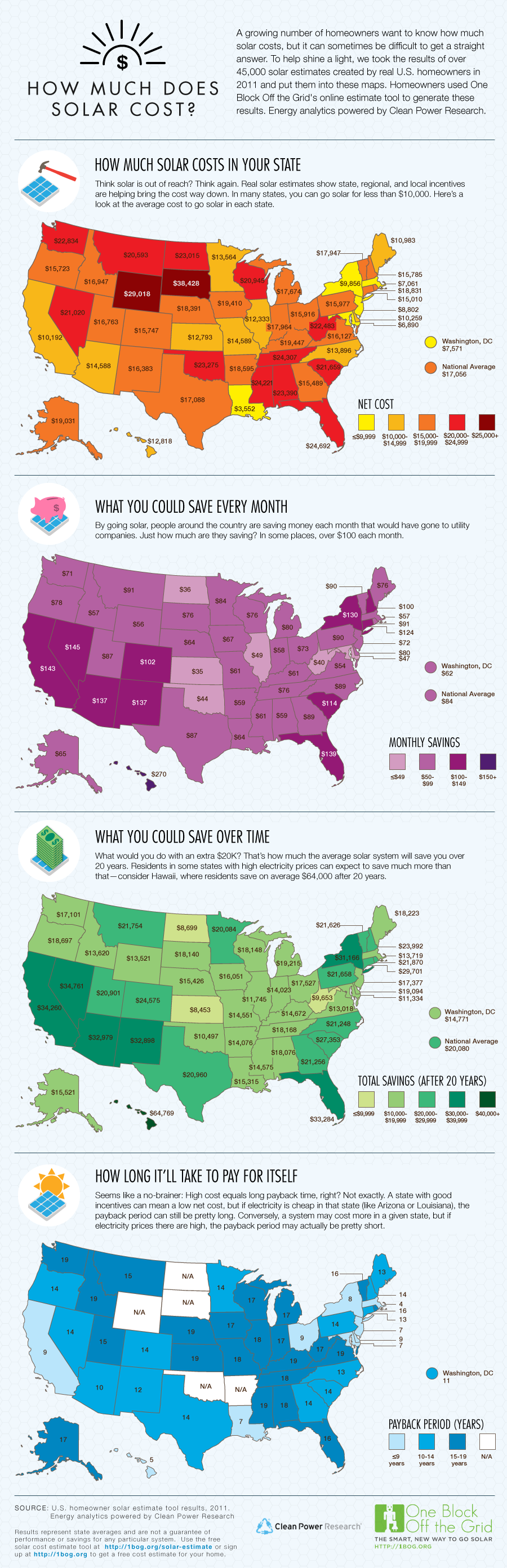
It’s straightforward: Fossil-fuel electricity costs money. Use less of it, and you’ll spend less. On average, households switching to solar power save more than $83 a month.
There’s one hitch: Residential solar photovoltaic (PV) systems are about $23,000 to install on average.
Yes, they’ll cut your electric bills significantly over their lifespan. But where does the initial cash outlay come from?
26 States Where You Can Get Free Solar Panels
It turns out many states across the U.S. offer programs to promote solar adoption.
Some even make it possible to have solar panels installed at no cost to you.
In fact, 26 U.S. states permit third-party companies to install solar systems without any upfront payment.
Curious if your state qualifies? Typeyour address into this toolto see the rebates and tax credits available where you live.
Beyond zero-down options, Massachusetts, New Jersey and New York score among the nation’s best solar policy environments, according to rankings by solarpowerrocks.com.
In those states, not only can incentives offset installation costs, but you can alsogenerate income — even after your array has paid for itself.
Here’s the projected earnings from a typical 25-year solar system in those leading states:
- Massachusetts: $50,286 (30.7% internal rate of return)
- New Jersey: $38,250 (18.3% IRR)
- New York: $35,305 (19.8% IRR)
Once you recover your investment, you can continue to benefit for the lifetime of the panels through net metering and by selling Solar Renewable Energy Credits (SRECs).
Net metering lets you send surplus electricity back to the grid when your system produces more than you consume. The excess generates bill credits you can apply against future months.
You can also sell SRECs to utilities that fall short of their state-required solar targets, which in some cases can equate to nearly $1,000 annually depending on your system’s output.
With rebates, tax breaks, energy savings and SREC income combined, you can recoup the cost of a solar installation in Massachusetts in roughly four years.
In New York or New Jersey, the payback period is closer to seven years.
Are Solar Panels Truly Free?
There are two common ways to get solar installed with no initial payment:
- Solar Lease: A solar company retains ownership of the panels, installs them at no cost to you and charges a monthly lease fee.
- Power Purchase Agreement (PPA): A solar firm owns the array and installs it for free; you purchase the electricity the panels produce each month (similar to your normal electricity bill but typically cheaper).
These 26 states allow either solar leases or PPAs: Arizona, California, Colorado, Connecticut, Delaware, Hawaii, Georgia, Illinois, Louisiana, Maryland, Massachusetts, Michigan, Minnesota, Missouri, Nevada, New Hampshire, New Jersey, New Mexico, New York, Ohio, Oregon, Pennsylvania, Rhode Island, South Carolina, Texas and Utah.
What Kind of Rebate Can You Expect?
Four states — Florida, North Carolina, Oklahoma and Tennessee — have statutes preventing third-party ownership arrangements.
The other 20 states neither allow leases nor have explicitly banned them, meaning options could change over time.
In those states, homeowners must fund systems up front, either from savings or with a loan.
If you live in one of the 24 non-third-party-friendly states, you can still reduce costs through tax credits or rebates.
Enter your address here to discover which incentives and rebates your state offers.
Your Turn: Does your state or municipality provide solar rebates, tax breaks or lease/PPA programs?
Disclosure: You might be surprised how much coffee the Savinly team consumes. This article contains affiliate links to help keep the beans stocked!
Maya Thompson is a staff writer at Savinly. She has contributed to HuffPost, Entrepreneur and Writer’s Digest, injecting humor wherever possible.