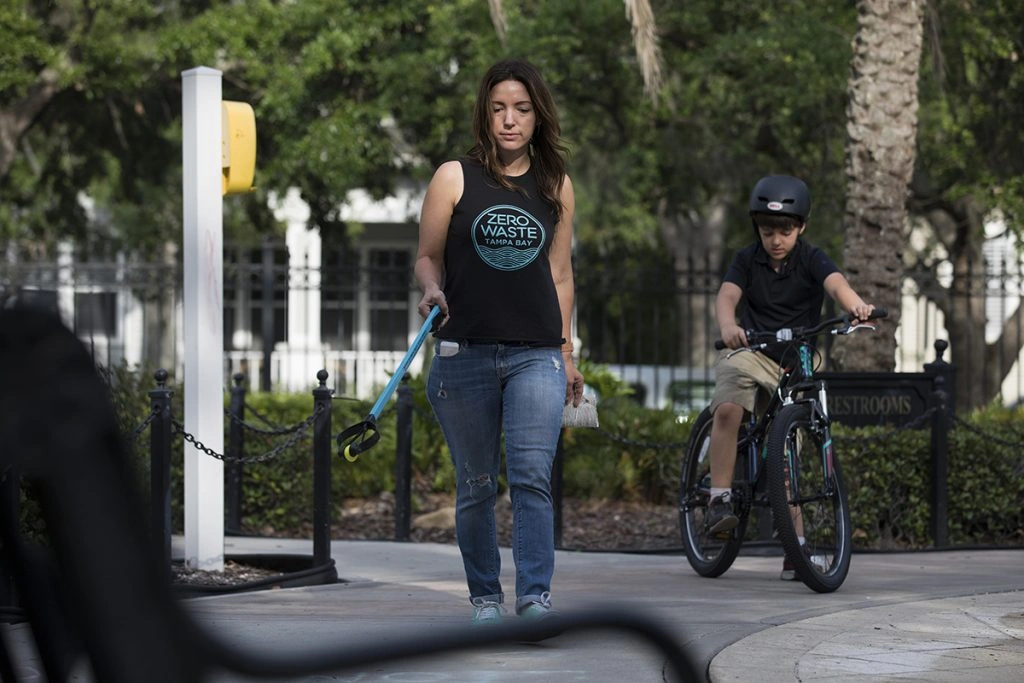
For many people, that notion sounds unattainable. For Graciela Vidal of Tampa, Florida, it’s an empowering reality.
Vidal, 36, chose to embrace a zero-waste way of life about two years ago to help protect the planet.
She’d previously thought she was doing her part by recycling and bringing reusable bags to the supermarket instead of using plastic ones. But Vidal says that watching environmental films like “Plastic Paradise” on Netflix really changed her perspective.
“I didn’t understand that just because something is labeled recyclable doesn’t guarantee it will be processed. It could still end up in our waters, damaging ecosystems and wildlife.”
She resolved to consume less and reuse more, rather than relying solely on recycling.
Shifting Into a Zero-Waste Routine

Although determined to reduce waste, Vidal discovered that changing habits overnight wasn’t realistic.
“It was actually a gradual change, mainly because many reusable items are somewhat pricey,” she explains. “I couldn’t simply go out and purchase everything I needed at once.”
One of the earliest habits she dropped was using plastic straws. She didn’t usually buy them for home use, but she began requesting no straw when dining out.
Vidal bought a few stainless steel reusable straws for her son, now 7, to use when they were at restaurants, since he sometimes has trouble drinking from a glass. She says reusable straws ran about $1.50 to $2 each.
She also replaced disposable resealable snack bags with fabric reusable ones. She purchased several from a woman in Clearwater, Florida, who runs the Etsy shop Bag It Conscious and sells eco items at the Saturday Morning Market in St. Petersburg, Florida.
“That ended up being one of my larger purchases,” Vidal says, noting the reusable snack bags cost roughly $5 to $7 each.
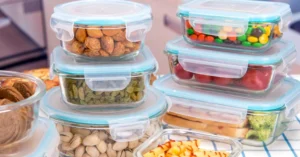
Beyond the reusable bags, Vidal sometimes repurposes old, cleaned containers for snacks.
“Honestly, any container will work just fine,” she says. “And sometimes they protect your snacks better, so it’s actually an improvement.”
She also stopped using disposable coffee cups. Instead she asks for a mug at the cafés she visits. Or, if she needs a takeaway, she brings a reusable travel cup — which cost about $25 — and asks the barista to use it.
Vidal even brings her own Mason jars to smoothie counters to avoid plastic cups.
“You just need to ask,” she says. “It can feel awkward because people stare, but if you explain, ‘I care about the environment and try to avoid single-use plastics,’ they usually understand and are happy to put it in your container.”
Shopping with Zero Waste in Mind
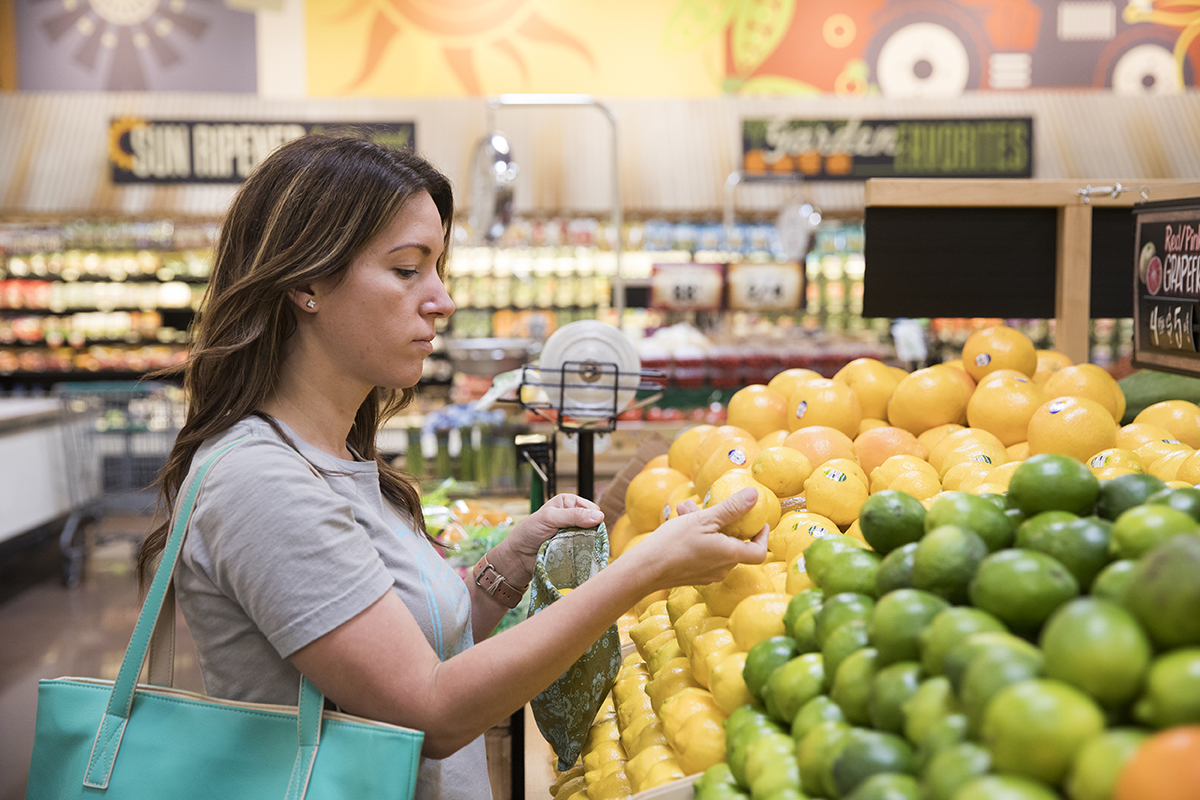
To lower her household’s waste, Vidal shops at stores with bulk sections.
“One easy thing for shoppers here in Tampa is we’re lucky to have a Whole Foods, Sprouts and Rollin’ Oats,” she says. These retailers let customers buy items in bulk that would otherwise be prepackaged elsewhere.
“They’re very accommodating,” she adds. “You can use your own bags and containers to fill up bulk items at those stores.”
For folks who don’t have access to bulk retailers, Vidal advises reducing packaging by selecting the largest package available. For instance, buying a 20-pound sack of rice produces far less plastic waste than purchasing twenty one-pound bags over time.
Purchasing food in bulk is often cheaper on a per-unit basis.
Vidal acknowledges she isn’t flawless in her zero-waste pursuit. She also transitioned to a vegan diet two years ago and sometimes encounters conflicts between vegan choices and zero-waste goals.
“Many cheese and meat substitutes come wrapped in plastic,” she says.

That packaging accounts for the bulk of her plastic trash, though she attempts to minimize those buys. She’ll occasionally allow prepackaged treats for her son, like a bag of chips for a beach day.
“He knows that’s a once-in-a-while treat, maybe once a month,” she says.
Vidal has learned to resist convenience temptations. She focuses on feeding her family whole foods, which also saves money. She squeezes her own lemonade and orange juice, and food scraps go to compost.
Her zero-waste efforts stretch beyond food and beverages. Instead of purchasing store-bought cleaners, she crafts her own using vinegar and citrus peels. Coconut oil and baking soda form the basis of the deodorant and toothpaste she prepares.
For handwashing, Vidal opts for bar soap that isn’t wrapped in plastic. The laundry soap she uses is also a bar from an Etsy shop, Tangie, based in Eustis, Florida.
“You just dilute it in water and pour it into your own container,” Vidal says. “You can even reuse your old laundry detergent bottle.”
She hasn’t yet found a perfect zero-waste replacement for dishwashing liquid, though.
“So I purchase the biggest concentrated biodegradable soap I can locate,” she says. “It lasts me at least six months.”
Broadening Her Influence

Vidal could have kept her eco-conscious habits to herself and her household, but she felt an urge to share what she’d learned.
About a year ago she launched Zero Waste Tampa Bay, an organization that promotes the benefits of a zero-waste lifestyle. She’s in the process of turning it into a nonprofit.
As president of Zero Waste Tampa Bay, Vidal organizes Meetups to connect others with similar values. She also visits neighborhood restaurants and shops to talk with owners and managers about ways they can shrink their environmental footprint.
“I just try to spread my message and help enlighten people because I was in the same place a couple of years ago,” Vidal says. “I didn’t understand how every small choice I made affected the environment.”
She encourages people not to feel overwhelmed by the idea of zero waste or as if they must be entirely waste-free.
“You can’t cut everything out overnight,” Vidal says. “It’s not realistic.”
It’s about introducing small changes gradually, she explains.
Vidal believes that if she can inspire one person to make a modest change and that person influences another, the cumulative effect can create a meaningful positive impact.
Nicole Ramirez is a staff writer at Savinly.