Preparing for and running long-distance events isn’t only tiring — it can also be pricey.
Beyond entry fees and shoes, you’ve got to factor in the cost of fueling. Stocking up on gels, chews and electrolyte mixes from specialty running shops can seriously dent your budget.
To get a sense of what I was spending on commercial fuel while training for my most recent marathon, I crunched the numbers — something I usually avoid — and the totals surprised me.
My go-to commercial fuel was Huma Chia Energy Gel. Buying directly from the maker runs about $56 for a 24-pack, which comes to roughly $2.33 per gel.
I also added Tailwind Caffeinated Endurance Fuel to my hydration. A bag of Tailwind retails for $38.99 on the brand’s site and yields about 50 servings, so that’s about $0.78 per portion.
On a typical 20-mile training run I’d consume roughly three servings of Tailwind and three of the Huma Chia gels. That worked out to about $9.33 to power a 20-mile session.
After seeing how much I was dropping on ready-made fuel, I started experimenting with homemade alternatives to bring on runs. The recipes below kept me going on outings longer than 10 miles while costing a small fraction of store-bought options.
Date Energy Balls

There are countless date energy ball recipes out there. Whether you prefer coconut, chocolate chips or a smear of peanut butter, you’ll likely find a version you enjoy. I’ve sampled several, but for running I favor simplicity.
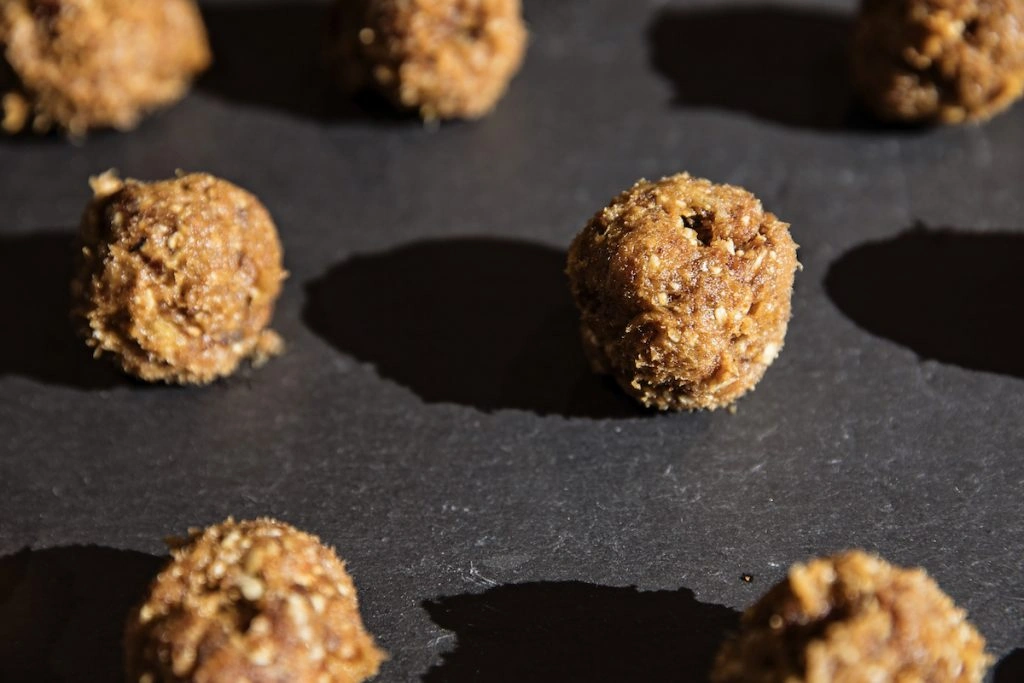
For my date balls I toss about 15 medjool dates and ¾ cup of sunflower seeds into a food processor and pulse until the mixture becomes sticky and cohesive.
I form the paste into small spheres, set them on a parchment-lined tray, and freeze them. Once set, I transfer them to a resealable bag and keep them in the freezer.
I often eat these before an early-morning weekday run or carry a few on longer outings to maintain energy. You can consume them frozen, or let them sit out for roughly 10 minutes if you prefer them a bit softer.

Chia Energy Gel

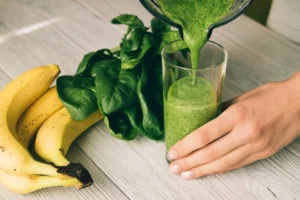
Whipping up your own chia gel is simpler than it sounds. Soak chia seeds in water until they swell, then drain and combine with blended fruit.
I like strawberry and banana, though you could incorporate sweet potato or canned pumpkin to slip in some extra veggies. The fruit is sweet enough for me, but you can drizzle in honey or maple syrup if you want it sweeter.
If you need added electrolytes, No Meat Athlete suggests stirring ¼ teaspoon of salt substitute and ⅛ teaspoon of baking soda into your gel to help replace minerals lost through sweat. He also posts a fuller recipe for a thicker gel that resembles commercial gels, though I prefer the straightforward blend of pureed fruit and chia seeds.
Mix your gel the night before a long run and chill it in the refrigerator. In the morning, squeeze it into a tough zip-top or a baby-food style pouch and head out. Aim for roughly 1½ ounces every 30 to 45 minutes of activity — I use these 5-ounce pouches, and one typically gets me through a 12–15 mile run.
Store-Bought Alternatives
If you don’t have time or interest in making your own gels or balls, grocery stores stock plenty of fueling choices.
Dried fruit like raisins makes a great mid-run snack, according to Greatist. If you crave something sweeter with less fiber, gummy bears or marshmallows can serve as quick energy during a run.
And for ultra-distance training, bringing a peanut butter and jelly sandwich can help settle your stomach and provide sustained calories.
Smart Fueling Practices

No matter which fuel you pick for long runs, make sure you start early and take calories regularly. Runner’s World advisesbeginning to fuel 30 minutes into a long outing and continuing every 30 to 60 minutes.
Depending on personal preference, you might opt for smaller bites every 15–20 minutes or larger intakes every 60–75 minutes.
How much you need depends largely on your body. This is something to practice repeatedly during training so you nail it on race day.
The last thing you want on race day is gastrointestinal distress (imagine the port-a-potties along the route), so stick with the nutrition strategy you used while training because that’s what your body knows.
Training and racing long distances can be grueling and costly — but if you train smart and fuel properly, the payoff will make the effort worthwhile.
Ashley Martinez is a half-marathon addict whose favorite memory is running 13.1 miles pushing her toddler in a stroller. She hopes to tackle a 50K someday when she’s feeling less worn out.