When you’re in the market for a new vehicle, is resale value something you should weigh?
It’s a useful question as you compare makes and models, because chances are you’ll eventually sell or trade that car down the line.
First, let’s define resale value.
Resale value is simply how much a vehicle will fetch when you sell it or trade it in. That figure is influenced by a long list of elements, many of which are beyond your control.
Smart Choices for Strong Resale
Resale value is worth thinking about while you shop — it can provide reassurance that you’ll recoup more money when it’s time to move on. It can also serve as a deciding factor if you’re torn between two options.
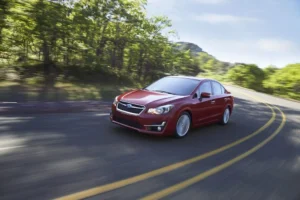
Generally, premium marques and those with solid reputations tend to hold value better. The same often applies to pickup trucks and SUVs. For instance, when fuel costs decline, demand for trucks and SUVs often rises. As more buyers choose them new, their trade-in and used values tend to climb. Resale values do shift with consumer preferences, so prices on used cars fluctuate over time. If gas prices surge or trucks and SUVs fall out of favor for any reason, their resale value can drop.
Ways to Preserve or Boost Resale Value
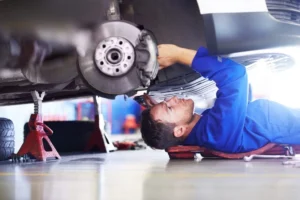
Keeping resale value in mind might change how you care for your vehicle. A well-cared-for car can command a higher price when you sell or trade it. Knowing there’s value to preserve could motivate you to stay on top of maintenance.
Of course, routine upkeep is important regardless — especially if you plan to keep a car for many years — but this gives you an added incentive to keep up with oil changes and other scheduled services and to address issues promptly.
You can also potentially increase or decrease value through modifications.
Installing an aftermarket component that improves durability or reliability compared with the original part might enhance future resale. But be careful: some highly customized upgrades, like extreme aftermarket wheels or body kits, can hurt resale appeal.
Certain options may help preserve value, such as air conditioning, automatic transmissions, a sunroof and leather seats. If you’re shopping for a sports car, a manual gearbox could actually increase its resale value, since many sports-car buyers prefer a stick shift.
If you plan to replace your car every two to three years, keeping an eye on resale is smart. That approach helps make sure your vehicle will be more valuable when it’s time to turn it in or sell it. Also consider researching car trade in value to better gauge expectations.
Reasons You May Not Worry About Resale

Resale value is only one of many aspects to consider when buying a car. Other priorities — like how much fun it is to drive, practicality, looks, fuel efficiency, dependability, warranty coverage, or the dealership’s customer service — may be more important to you.
For example, if owning a car you love is your primary goal, a lower resale down the road might not be a major concern.
Likewise, if you expect to keep a vehicle until it’s nearly worn out, resale value won’t be a significant factor. Unless it’s in unusually good condition after many years, you probably won’t get much back for it.
It’s also useful to note that depreciation doesn’t proceed at a steady pace. A vehicle’s rate of decline eases over time, making ownership relatively cheaper the longer you keep it — at least until repair costs rise substantially.
If you’re a classic-car enthusiast, resale value may be of little concern. Besides true collectibles, older cars typically don’t achieve high resale prices — though there are exceptions depending on make and model.
If you’re watching your budget closely or focused on monthly payments, that might matter more than resale value a few years from now.
Things You Can’t Control
The hard truth is that aside from keeping your car clean, maintained and accident-free, there’s limited influence you can exert over its resale value.
For example, if you buy a sedan but consumer tastes shift toward trucks and SUVs before you sell, your car’s resale value could decline. The same holds if you own a vehicle with poor fuel economy and gas prices jump.
A brand’s reliability and customer-support reputation also affect resale, as does how popular the model was when new. Maintenance and repair costs are additional contributors.
Small, regional factors matter too — like how useful a vehicle is where you live. A sports car might command less resale value in snowy regions than in sunny climates.
Resale value should be one of several considerations when selecting a new vehicle. Depending on your priorities, you might find yourself pleasantly surprised by extra cash when you sell or trade in your car down the road.