Autumn has arrived.
Now’s the season for cozy sweaters, tall boots and pumpkin-flavored goodies.
October marks National Energy Action Month, making it an ideal moment to think about ways to conserve energy at home and lower your utility costs as the climate cools and you start turning up the thermostat.
Chris Granger, president of Sears Home Services, offers the following advice on how to do exactly that.
Ensure Your HVAC System Is Operating Efficiently
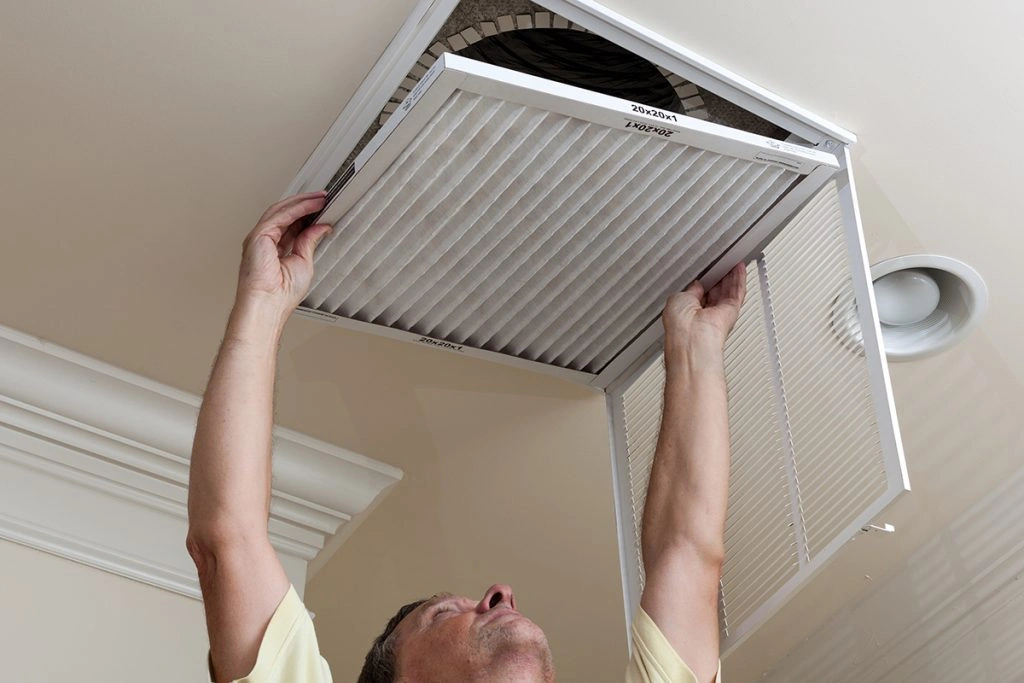
As you switch your heating, ventilation and air conditioning — HVAC — system from cooling to heating mode, it’s a convenient time to replace the system’s air filters.
Granger noted that Sears Home Services suggests replacing air filters at least every three months. During periods of heavy use, if they appear dirty, filters should be checked and cleaned monthly.
“Air filters on a furnace gather debris quickly, which forces the blower to exert more effort than necessary and consume extra energy,” Granger explained. “By routinely swapping out your air filters, you lower the amount of energy your HVAC requires to run effectively.”
You can purchase air filters at home improvement retailers, department store home centers or online.
Keep Cold Air From Sneaking In

It’s excellent to have a well-maintained HVAC system, but if cold drafts are entering your home, the system will need to run longer to keep rooms warm. That extra work can translate into a higher utility bill.
“The exterior of your home plays a key role in keeping indoor spaces warm through the chillier months, helping you stay comfortable while cutting energy and saving money on monthly bills,” Granger said.
Ensuring your attic and roof are well insulated is one of the most cost-efficient strategies for conserving energy, he added.
“Proper insulation reduces heat transfer between the outside and inside of your home,” Granger said. “You might also think about installing a radiant barrier beneath the roof deck (between it and the insulation) to further limit heat movement.”
If you’re putting in new siding, he recommends asking about the insulation value built into the siding options.
Regarding exterior doors, Granger advises checking that they latch snugly with a solid seal and that weather stripping is installed around the frame. Windows should likewise close firmly and seal correctly.
If you rent, you can request that your landlord or property manager consider energy-saving upgrades if they haven’t already implemented them.
Keeping Appliances Maintained Also Cuts Energy Use
Some energy drains aren’t immediately obvious.
Routine upkeep of household appliances can also reduce energy consumption.
You probably remember to clear your dryer’s lint trap after each use, but when did you last clean the condenser coils on your refrigerator?
“Condenser coils allow the refrigerator to shed heat from the compressor,” Granger explained. “When coils are dirty, the fridge must work harder to cool, which can lead to costly repairs to the cooling system.”
He recommends cleaning refrigerator condenser coils at least twice a year using a vacuum and a coil brush.
“On older refrigerators, the coils may be painted black and located on the back,” he said. “Newer models often position the condenser coils underneath.”
Granger provided further pointers for maintaining common household appliances:
- Dryers: Beyond emptying the lint trap after each cycle, periodically use a lint brush and vacuum to remove stray fibers the screen didn’t catch. Wash the lint screen about every six months to eliminate buildup. Additionally, clean your dryer vent pipe every six months.
- Refrigerators: Along with cleaning condenser coils, make sure the door gasket forms a tight seal. Store leftovers in airtight containers to prevent moisture from entering the fridge air and causing the compressor to run more often.
- Ovens: Avoid lining the oven with foil, as it restricts airflow and diminishes oven efficiency.
For more guidance and tips, check out Sears Home Services’ helpful infographic that highlights which appliances consume the most energy.
While tweaks to your energy habits may not yield dramatic reductions in your bill overnight, small savings accumulate over time.
Also consider practical steps you can take right away to slash your electric bill and learn more about how to save on energy bill to keep costs down this season.
Sophia Hart is a staff writer at Savinly.