Whether you’re living in the countryside or tucked into a city apartment, plenty of plants will thrive indoors and help you cultivate a green thumb. Below are practical pointers to help guarantee success.
Scout for the Best Indoor Garden Lighting
Your indoor gardening results depend largely on one thing: available light. Plants require light for photosynthesis and will struggle — or even die — if it’s insufficient.
Because indoor light is weaker than direct sunlight, evaluate your home to locate the best spots. Monitor temperatures to ensure areas aren’t too warm or too chilly, and steer clear of drafty locations.
The window’s orientation dictates light intensity: south-facing usually provides the most, east and west are moderate, and north-facing windows receive the least.
Depending on your setup and the varieties you want to raise, you might need supplemental lighting. Opt for LED grow lights since they last longer and produce little heat. Look for deals on Freecycle, Facebook yard-sale groups, ReStore and Amazon to score inexpensive grow lights.
Find Discount Plants for Your Indoor Garden
Once you’ve determined your lighting situation, pick plants suited to those conditions. Know each plant’s light and watering needs as well as other care particulars so they flourish indoors.
Get a Cutting from a Friend
Many houseplants can be propagated from cuttings or other asexual methods. Examples include spider plants, snake plants, African violets and jade.
Invite friends with houseplants to a cutting swap. Use rooting hormone (a powder that encourages root growth) and exchange cuttings. Keep cuttings moist, place the stem in a plastic bag to maintain humidity, and within a few weeks roots should appear. Once rooted, transplant into potting mix.
Recycle Your Produce Scraps
You can also regrow parts of many fruits, herbs and spices into houseplants. Simple options are pineapple tops, avocado pits and ginger. Books like Don’t Throw It, Grow It! and Growing Tasty Tropical Plants in Any Home, Anywhere offer detailed tips for turning kitchen scraps into living plants.
Scout the Clearance Racks
Big-box garden centers and independent nurseries often have clearance sections with plants that have been neglected. Many are simply victims of improper watering and can be nursed back to health with some TLC. I’ve seen discounts as steep as 80% off.
Watch for School Plant Sales
Colleges and universities (and sometimes high schools) with horticulture programs often run greenhouses. Many of them host plant sales at least annually, offering the specimens students grew during their coursework.

The Best Containers for Indoor Gardening
Surprise: nearly anything that can hold soil can double as a container for your indoor plants.
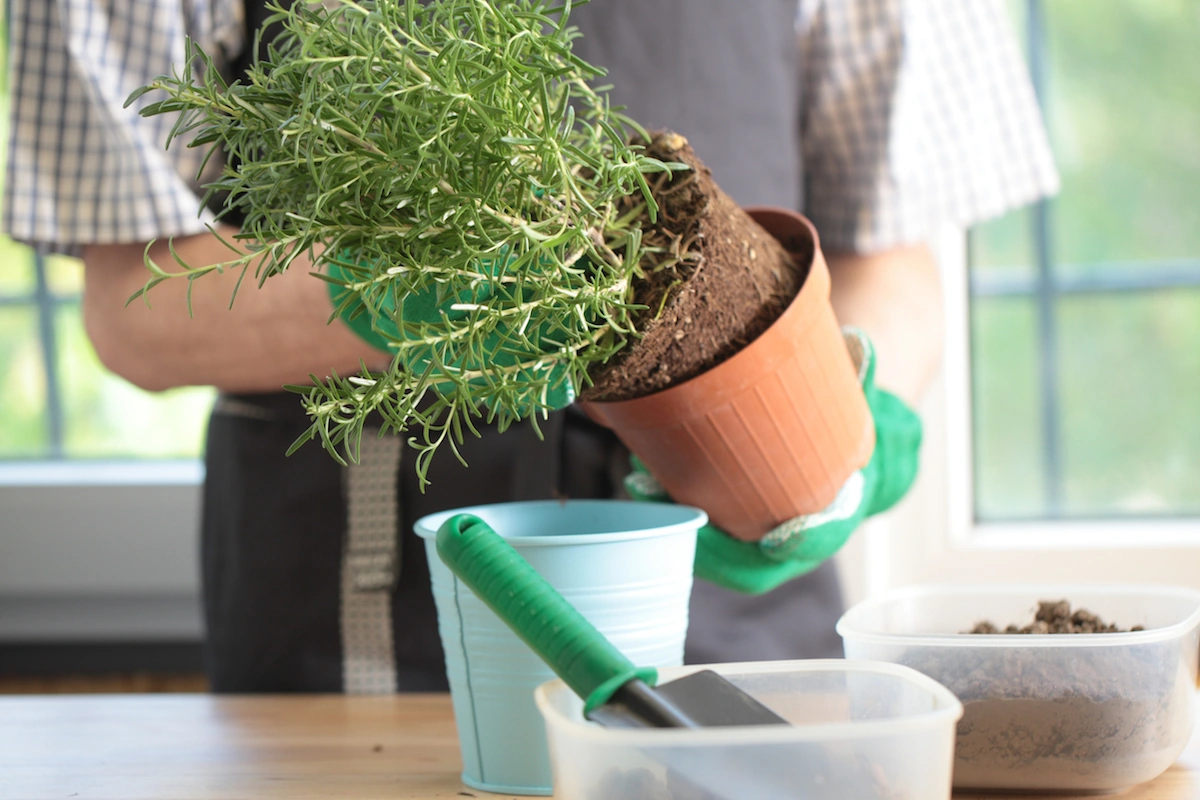
The crucial issue is drainage; if your chosen vessel lacks holes, drill some into the bottom. Pick a pot that gives the plant room to grow, but avoid an excessively large container, since it can allow water to pool.
Check local restaurants for used buckets they discard after buying supplies in bulk — these can be repurposed as planters. Production nurseries may also have extra pots on hand because plants are repotted multiple times as they develop.
Watering Basics
To prevent root rot, ensure soil doesn’t remain waterlogged. Excess moisture can deprive roots of oxygen and threaten the plant’s survival.
You’ll typically water far less frequently than you might expect, particularly in winter. Water when the top layer of soil has dried. Water even less for cacti and succulents — they only need small amounts on a weekly or less frequent schedule.
Watch for Insects and Diseases
Common indoor garden pests include aphids, scale, mealybugs and powdery mildew. Before bringing any new plants into your home, inspect them for signs like wilting, yellowing, black spots or visible insects, and isolate them if you spot problems. Clemson University has images and information about pests you might encounter on houseplants.
Fortunately, catching problems early often means a good rinse in the shower will resolve the issue. If pests persist, consider making one of these budget-friendly bug sprays.
Turning your living space into a verdant retreat is easier than you think. Even those who believe they have the blackest thumbs can learn to grow plants by choosing species that suit their environment and practicing basic care. Gather some plants or cuttings, source a few containers and start planting!
Disclosure: This article contains affiliate links. These links help keep the lights on at Savinly HQ and support our work bringing helpful content to Savinly Readers.
Alice Rowan is a horticulturist who writes about her urban homestead at Upping the Planty.
For related tips, consider exploring resources on backyard chickens, ideas to grow your own food, and ways to find cheap plants for your indoor garden.