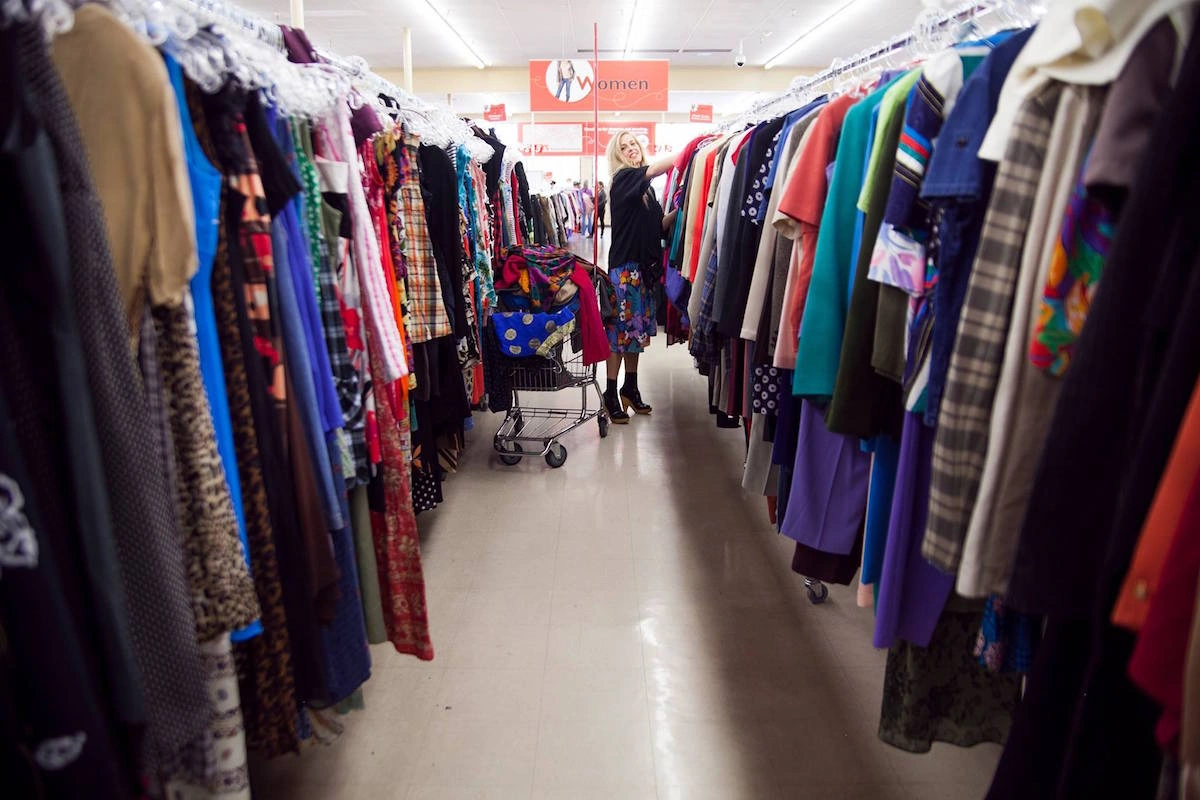
My spouse and I are obsessed with thrift stores. It’s uncommon for a week to pass without a stop at our preferred secondhand shop, Value Village.
We’re constantly scouting for hidden gems and everyday necessities that spare us a department store run, and over the last few years we’ve noticed there’s money to be made from our bargain-hunting habit.
In the past year alone, we’ve earned more than $1,000 on the side from donations and purchases at Value Village, and this year already looks even more promising.
How We Earn Discounts by Donating
Value Village, which operates under the Savers name in some regions, is a for-profit resale chain that’s been operating for over five decades.
Unlike nonprofit thrift organizations such as Goodwill and The Salvation Army, Value Village provides a rewards program that can convert your donations into savings on purchases.
They accept donations from stores and individuals like us and collaborate with more than 120 nonprofits across the U.S., Canada and Australia. Each location compensates its nonprofit partner for donations collected via the nonprofit or at a store’s Community Donation Center – regardless of whether the items sell. Over the last decade, Savers/Value Village has paid its nonprofit partners over $1.5 billion to support their causes.
Since 2015, Value Village has run a punch-card reward program to incentivize donations. When you drop off a bag of items, they give you a coupon in the form of a stamped card.
It takes six punches to complete the card, and once it’s full, the card becomes a 30% off coupon to use when shopping for yourself.
Depending on how generous the donation team is, earning those punches could require one or several bags of clothing, or a few visits. If the friendly donation staff asks whether you want a coupon, always say, “Yes, please” — you might even score an extra punch for politeness.
Know What’s Acceptable to Donate
We keep a donation bag by our door for clothing, household goods, odd kitchen tools and anything we no longer use that might benefit someone else.
We prefer a clutter-free home, so the bag fills up quickly. That typically leads to a donation at Value Village — and another 30% off coupon — every couple of weeks.
Most things we give away would only fetch a few dollars at a yard sale, so the coupon we receive is often more valuable than attempting to sell them ourselves. They benefit from our donations, and we benefit by skipping garage sales.
When deciding what to donate, it helps to know what they accept.
- Clothing should be clean and in reasonably good condition
- All electronics need to be functional
- Avoid items that businesses aren’t allowed to resell, such as used mattresses and secondhand car seats
The donation crew will sort and later test your electronics to ensure they at least power on, so they accept items on good faith.
Basically, if you wouldn’t bother selling it at a garage sale, they likely won’t want it either. When unsure, consult the Value Village site for guidelines.
Maximizing the 30% Discount
Thirty percent might not sound huge, but it adds up on bigger purchases, so we make it count.
Value Village runs tag sale days, seasonal clearances and weekly promos that you can learn about by subscribing to their marketing emails. So far, they’ve emailed me about once a week with upcoming deals — frequent enough to plan without being annoying.
They also hand out additional punch cards for frequent purchases. My favorite find this month? An old LaserDisc player — yes, those large-format movie discs from before DVDs were mainstream.
I found it at my local Value Village for just $10 (and used my 30% off coupon), then sold the player to a nostalgic buyer for $75.
You never know what will turn up on any given day, so having a method helps make your lucky days profitable ones.
Our basic approach is to shop for ourselves and for resale simultaneously, broken into three phases.
1. Combine Errands With Treasure Hunting
Your time — and therefore your profit — stretches further when a routine shopping trip doubles as a hunt for resale items.
Does your partner need new gym shorts? Find a great pair on the rack for $5, and be sure to grab those two nearly-new digital humidifiers priced at $15 each that retail for about $240 new on Amazon.
Before leaving, plug in the food processor and the air unit at the electronics testing station to verify they’re functioning.
If they don’t work, you can return them within a week for store credit, but it’s wise to avoid extra trips.
With the coupon, those shorts only cost $3.50, and you picked up a couple of desirable appliances for $21 total.
2. Ready Your Finds for Sale
Enjoy your partner in new gym shorts, then prepare the appliances for resale.
Clean, polish and test the humidifiers thoroughly so they look and work like new, then take clear photos.
Craigslist remains a dependable platform because it’s the largest local network. You can move bulky items quickly without shipping hassles.
To widen your audience, also post on OfferUp and Facebook Marketplace.
We’ve tried other peer-to-peer apps, but often the buyer quality is lower. We’re looking at you Letgo — dozens of inquiries but no actual sales.
If you land a high-value item that’s not too bulky, consider shipping it by listing it on eBay. For designer clothing, try Tradesy.
3. Sell for Solid Profit
Find a buyer who wants relief from dry air without paying retail, and offer a tested portable humidifier for $120 — netting you a $99 gain.
Plan on spending 15–30 minutes posting each item and handling messages from potential buyers.
Some items sell quickly; others take a few repostings, but if you respond promptly to inquiries, you’ll see how small efforts yield notable returns.
In our example, we made $99 after about an hour of thrift shopping we would have done anyway, with just a few discarded sweaters, a bulky hair dryer and that set of mixing bowls that never got used.
Choose the Right Items to Flip
For this to work, you need an eye for value, but there are fast checks anyone can use to estimate worth.
I always have my phone handy, and a quick online search can reveal original price, origin, rarity and demand.
If comparable items are selling for more on sites like Amazon, eBay or Craigslist, and there aren’t many local listings, there’s potential to profit.
After years of doing this, I’ve developed a knack for spotting what’s worth buying, but I still verify finds before tossing them in the cart.
The best time to catch good donations is early in the morning, especially on Sundays and Mondays, since weekends are the busiest donation days.
Like many, we have plenty of possessions but not enough cash. Thanks to our thriftside hobby, we’ve reduced clutter, found worthwhile pieces, and socked away money toward buying our first home — hopefully not too far from a Value Village.
Emma Carter is a YouTube creator for RollingDiaries and a Savinly reader who’s always hunting for smarter ways to live within her means. She lives in Seattle with her partner and an imaginary dog named Dimes.