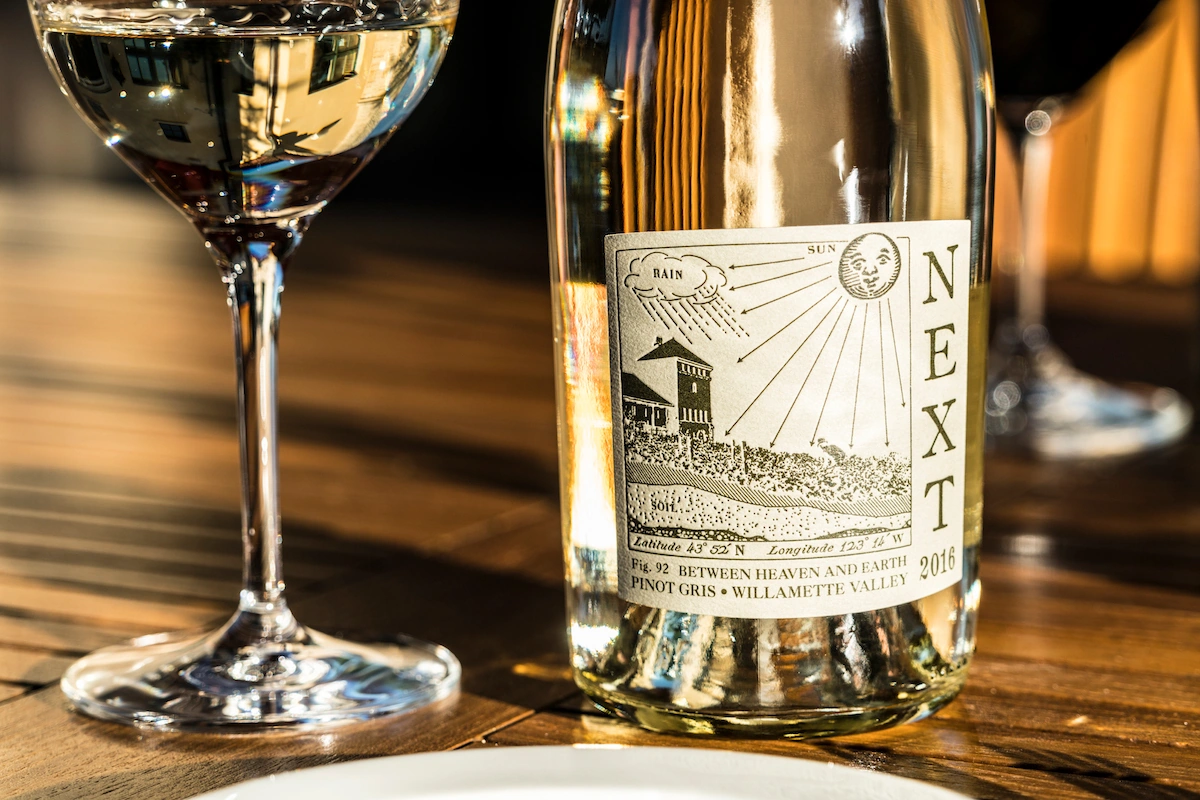
King Vintners of Eugene, Oregon revealed in a statement that one of its fresh labels, NEXT, is “the first wine ever developed from conception to release with Amazon Wine.”
NEXT will begin by selling a limited selection of three varieties on Amazon: pinot gris for $20, a red blend for $30 and pinot noir for $40.
I’m not sure about you, but I’d classify those bottles as “treat” territory. Delicious, but definitely a splurge.
Purchasing Wine on Amazon? It’s Kind of a Hassle
Buying wine through Amazon isn’t always straightforward.
Because each state enforces distinct regulations for online alcohol transactions, you can’t simply browse and click the bottle you want. You need to verify that the wine you choose is shippable to your state. And when your order arrives, an adult of legal age must be present to sign for it.
Occasionally, Amazon runs a 1-cent shipping deal on wine when you buy a certain quantity, such as six or more bottles from the same seller. Or cellar. Get it?!
Buying by the case or half-case is the smartest move on Amazon Wine, since you’re most likely to qualify for that extremely cheap shipping.
Amazon lists plenty of single bottles under $10, but shipping can add$9.99to a bottle. Want it in two days? Expect to tack on another $18.
Amazon has begun expanding its beer and wine catalog to Prime Now orders, offering one-hour delivery for $7.99. That’s similar to other delivery platforms, like Drizly ($5 per order) and Instacart (fees vary), which pick up items from nearby liquor stores or supermarkets to fulfill your cravings.
Amazon Wine, then, makes the most sense for shoppers stocking up for gatherings or for those who want to keep a preferred label or varietal on hand — without lugging cases home from the store.
Why the Pricier Bottles, Amazon? I Prefer Cheap Wine
There’s no shortage of options for budget-friendly wine.
Sam’s Club has recently improved its wine selection to challenge the nation’s biggest wine seller, Costco. Boxed wines these days are reliably solid. Trader Joe’s has built a devoted following around its Charles Shaw label, aka Two Buck Chuck. TJ’s even sells wine in a can, which is conveniently portable and costs about 99 cents per pop-top.
So why is Amazon deepening its investment in wine sales if it’s not trying to undercut prices?
Because Amazon isn’t focused on giving you the cheapest option. Amazon prioritizes convenience.
Amazon relies on algorithms to decide which seller — and which price — appears as the default for any given product at any time. Research from last year showed dynamic pricing, which can shift multiple times daily, can create significant swings in price. We’re not speaking about a few pennies. It can be a few dollars — or a few dozen dollars.
Amazon and its marketplace sellers can charge higher rates because of the vast assortment of items they can deliver to Prime members within two days.
If you’re opening Amazon instead of driving or walking to the closest store, you’re not hunting for something immediately available. You care more about having it dropped on your doorstep at Amazon’s earliest convenience.
So its wine selection? No, it isn’t bargain-basement. But that won’t stop Amazon from adding another product category — complete with its own label — to sell.
If you’re hunting for alternatives that won’t break the bank, check out our guide to best cheap red wine for wallet-friendly picks that still deliver on flavor.