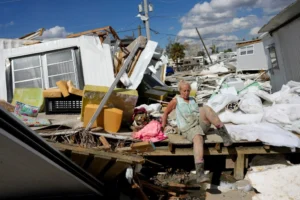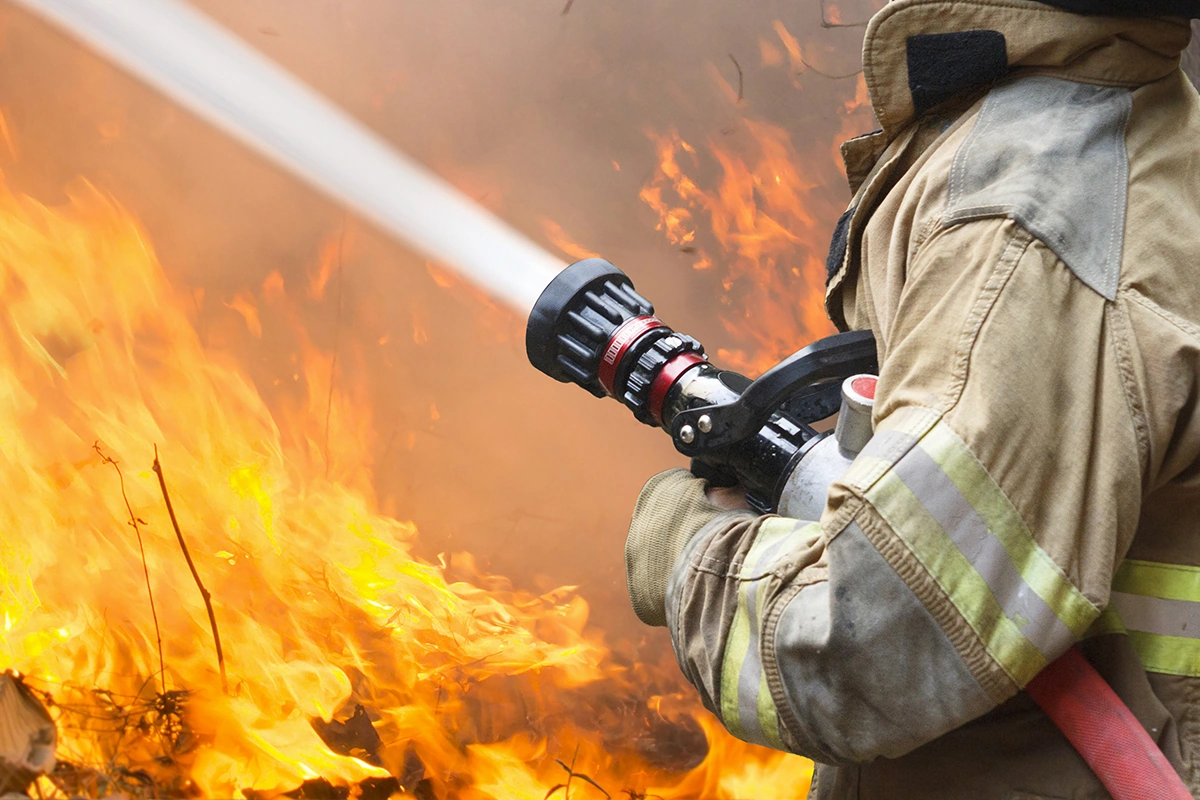
I recently had my world turned upside down during a move from Ohio to Tennessee. I loaded every possession I owned into a trailer, only to receive a call the next day informing me that the trailer had ignited during transit. I lost nearly everything.

If you haven’t experienced the loss of your home or belongings to a blaze and are simply reading to be prepared, good for you. Count your blessings. There are several actions you can take now to create “just in case” security that will help you remain financially stable if disaster strikes.
If you have recently been stripped of your possessions by a fire, don’t panic. Once you’ve begun to heal emotionally, you can start to think about how to recover financially from this catastrophe.
If It Hasn’t Happened to You
When it comes to protecting your family’s financial future, you can’t be too cautious. Take the following measures so you’ll be able to recover if you lose your residence and/or belongings in a fire.
Get Insurance, Immediately
I was lucky to be required to carry renters insurance, which will offset some of my losses. Others aren’t so fortunate.
That said, I wasn’t as ready as I ought to have been. I carried the minimum coverage my landlord mandated and didn’t consider how much protection I truly needed. My recommendation? Don’t accept the minimum policy.
Spend time assessing what your items are actually worth — and don’t overlook lesser-ticket belongings like linens and toiletries. Here are things I hadn’t even thought about until they were gone:
- Clothing — Account for how much you’ve spent on workwear, shoes, pajamas, workout clothes, and factor in towels, pillows and blankets while you’re at it.
- Entertainment goods — Think about your DVD or Blu-ray collection, video and board games, and that $35 copy of “Harry Potter and the Deathly Hallows.”
- Toiletries — List out costly lotions and shampoos, your electric shaver, prescriptions, contact lenses and retainers. You’ll be surprised how much value hides in your bathroom drawers.
- Decor — Remember any pricey (or inexpensive — money adds up) artwork, decorative pieces, wall hangings, clocks and lamps.
- Kitchenware — Tally the cost of plates and bowls, pots and pans, toaster and coffee maker, and estimate the typical grocery stock in your cupboards and fridge.
After you’ve added up what your belongings are worth (and, if you own a home, how much dwelling coverage you require), choose a policy that will compensate for that amount.
Another tip? Read the fine print before you sign. Make sure you understand what the policy actually covers. The mistake I made was not knowing the difference between replacement cost value (RCV) and actual cash value (ACV).
RCV means the insurer will pay what it costs to replace your appliance; ACV means they’ll only give you what your four-year-old appliance is worth now. Guess which one I had.

Begin an Emergency Fund, Today
In the current economy it can be tough to stash money away. With retirement accounts, college funds and regular savings, who has spare cash for an emergency account?
Don’t neglect building an emergency fund. You never know when it will be necessary.
How much should you save? That depends on your circumstances. Forbes breaks it down simply:
- If you’re single and rent, save three months of take-home pay.
- If you’re married, own a home and have children, aim for six months of take-home pay.
Your emergency savings don’t have to materialize instantly, but they are important to build. It might not be as exciting as saving for a vacation or a new car, but it can be the difference between stability and collapse after a fire or another calamity.
If It Has Happened to You
Sadly, a fire department responds to a house fire every 23 seconds, per the National Fire Protection Association. If you’ve recently suffered a fire, take the emotional recovery time you need, but remain organized so you can quickly start rebuilding your finances.
Contact Your Insurer, As Soon As Possible
If you carry renters or homeowners insurance, reach out to your agent right away. The Red Cross offers a solid checklist to help ensure you receive as much reimbursement as possible:
- Create a list of all lost items, including estimated value, where purchased and age.
- Retain all items until an insurance adjuster inspects the damage and photographs them.
- Take your own photos and videos for your records, and submit those to your insurer even if they aren’t requested.
- Keep receipts for all fire-related expenses, such as temporary housing, bulk-trash removal, repair costs, laundromat runs or full reconstruction.
Use Your Emergency Savings
If you’ve been steadily saving for emergencies, now is the time to access those funds. If everything goes smoothly, you’ll be able to replenish some of those savings when insurance payouts arrive. Be prepared for delays, though — reimbursements can take several months.
Put Pride Aside: Accept Assistance
I’m not typically comfortable asking for help or accepting money from friends and relatives, but a major crisis like a fire can change your outlook. I’m profoundly thankful to the friends, family, coworkers and strangers who contributed via GoFundMe or sent checks and gift cards, who organized bake sales and fundraisers, and who donated furniture or simply gave their time.
Whatever support is offered, don’t be embarrassed to accept it if you need it. Just remember to express gratitude — and be prepared to help someone else in the future once you’re back on solid ground.
A fire or other sudden disaster can be shattering, but it doesn’t have to destroy you financially. Start preparing for the worst now — and if the worst has already come to pass, move into action and start reconstructing your finances today.
Alex Carter is a full-time editor and dog dad who likes to spend spare time writing — whether he’s working on fiction or contributing online. He recently relocated to the Nashville region and looks forward to exploring the city with his partner. Go Preds!