And that list only covers retailers closing in 2017 so far.
If they’re not disappearing completely, these chains are shuttering significant portions of their physical outlets. Year-to-date retail bankruptcies have already outpaced 2016’s total. The sector hasn’t looked this bleak since the recession.
So that must mean massive clearance sales and markdowns, right? One chain’s failure should be your bargain bonanza, correct?
Maybe not.
The Retail Meltdown, or Why We Can’t Have Nice Things
Hold on a second, folks. Before we dive into the bargains, let’s take a beat to understand how we arrived here.
Shopping as we’ve known it is falling apart.
It isn’t solely because we’re swapping stuff for experiences. Sure, we’re allocating more money to travel and dining, but millennials — and virtually everyone else — still need clothes and new phones for those vacation selfies.
It’s not just that online shopping is rampant (although it certainly is very common). The abundance of online options makes it simpler than ever to compare prices, return policies and shipping fees with a few clicks. Consumers are now much better informed before they hit “buy.”
But you may be too well-trained. During the late-2000s recession, retailers were desperate to lure shoppers back and conditioned us to avoid paying full price. Years later, many of us now wait for a BOGO or a steep discount (15% isn’t enough — we want 40% off, please) or hold out until an item lands on the clearance rack weeks after it debuted before we purchase.
And when we do spend full price, it’s often on the Forever 21-style pieces that cost just $10 to begin with.
The stores taught us to shop this way, and now they’restruggling to stay afloat.
For every direct-to-consumer outfit selling razors, cosmetics or leggings shipped to your door, there’s a legacy retailer waving the white flag.
Bummer. But Where Are the Bargains?
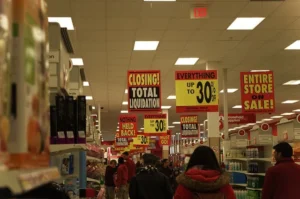
Many of you have probably rushed to a nearby shop with “Everything Must Go!” banners plastered across the windows.
But once inside, you often encounter a wasteland of bare metal hangers and jumbled piles of items. When you finally spot something you actually want, it’s usually only available in a child’s size.
Whether you’re hunting for apparel, shoes or household appliances, is it worth sifting through the liquidation chaos to find a deal?
If you’re game to try, read these pointers first.
Don’t Count on Deep Discounts for Big Name Items
Ecommerce entrepreneur Shannon Quinn suggests a quick assessment before planning a liquidation-shopping spree: Does the retailer stock many recognizable name brands, or mainly private-label goods?
If the chain carries popular brands, steep markdowns are less likely. Quinn explains
retailers can earn more by selling liquidation inventory to other businesses licensed to move those same brands.
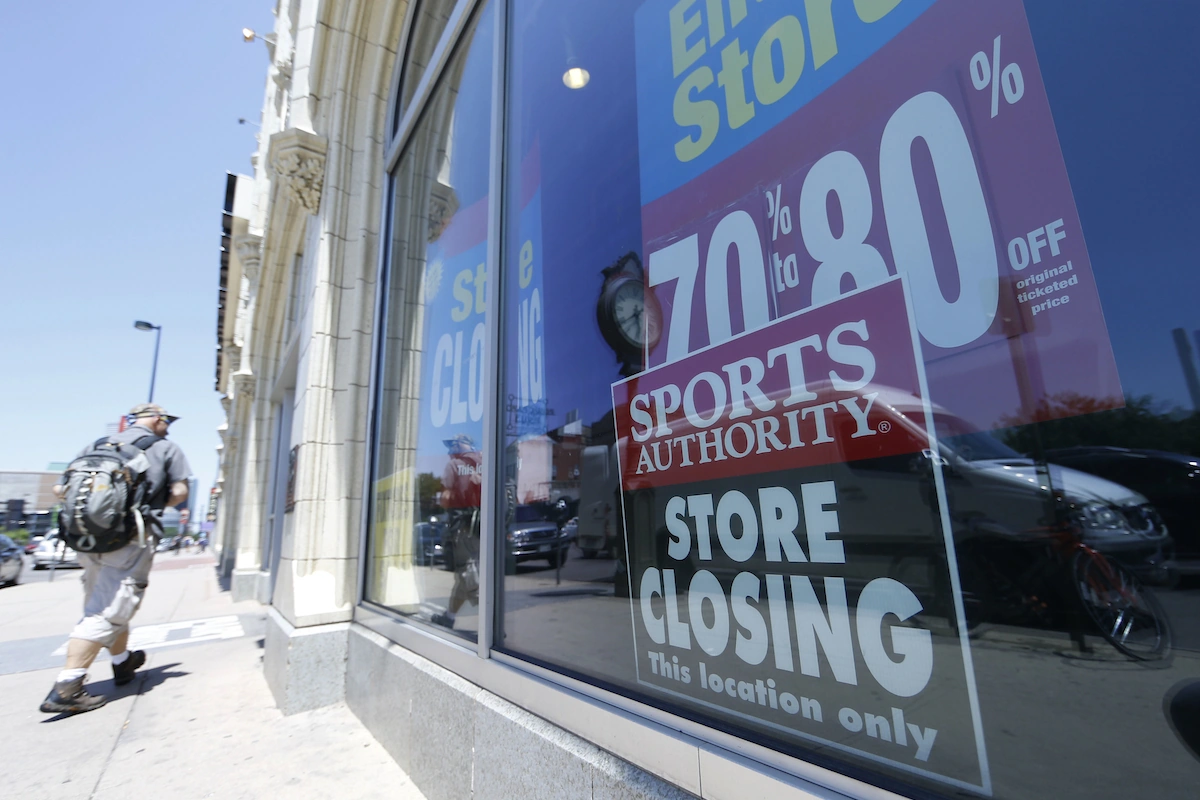
She shares an example from Sports Authority’s 2016 shutdown:
“I went to their closing sale and saw that Nike and Adidas items were only 30% off retail. The products marked 75% off or more were Sports Authority’s private-label lines. The sale wasn’t much different from their best coupon promotions. Their ‘incredible liquidation sale’ was actually fairly ordinary.”
If You’re Going to Shop, Don’t Delay Too Long
What about chains like Aeropostale, The Limited or Payless that primarily sell their own labels? During downsizing, these stores may shuffle inventory from location to location to fill racks, so big discounts might not appear immediately.
“Because they’re private label, you’ll typically see the deepest markdowns once the retailer truly shuts down and has nowhere else to move the stock,” Quinn cautions.
And when a retailer is failing, good luck finding the size, color or model you want. Waiting for rock-bottom prices could mean you miss out entirely.
Buy Only What You Actually Need
Paco Underhill, retail analyst and author of books including “Why We Buy: The Science of Shopping,” recommends asking two core questions to decide whether to purchase amid store-closure turmoil — the same queries he suggests during any shopping trip:
Do you genuinely need it? Does it truly fit?
“A central problem with shopping is buying things because the price is low rather than because you actually need or will use them — that’s wasted money,” Underhill says.
If the answer to either question is no, Underhill advises walking away.
Use Gift Cards Sooner Rather Than Later
If you hold a gift card for a store that’s closing, don’t hang onto it until the last minute. The Better Business Bureau told WCPO that there may be little time between a chain announcing bankruptcy or full closure and the doors being locked.
This is one rare case where we’d suggest buying something just to spend the card. If you can’t find something useful for yourself, consider picking up a few items to donate to a charity you support.
Window Shop Without Guilt
Underhill remembers walking past a nearly cleared-out American Apparel and going inside.
“I could tell that 85% of the merchandise was gone and what remained was 90% off. It was interesting to see what other shoppers aren’t picking,” he says.
Sometimes, that gawking is a form of consumer research. If a single style dominates the clearance rack, there’s probably a reason hundreds of shoppers left it. Enjoy the puzzle, then move on.
Try Everything On — Seriously
It’s tough to rely on a return policy when a store no longer exists. Returns usually won’t apply on liquidation purchases, so try items on, test them out or ask staff about warranty or repair options if something fails later.
Don’t Expect to Turn a Profit
Attempting to resell items bought at a going-out-of-business sale is often a false economy, Quinn notes. “Brands that have fallen so far they file for bankruptcy typically don’t resell well on eBay, and saving 30% on a strong brand doesn’t leave enough margin to make a profit.”
Yes, hearing that a huge retailer nearby is closing can spark the thrill of the hunt. But proceed cautiously and skeptically. The bargains may not be as rosy as they seem.