Almost everyone has used coupons at some point, but New York mother Kate Fenner transformed coupon clipping into a powerful savings method.
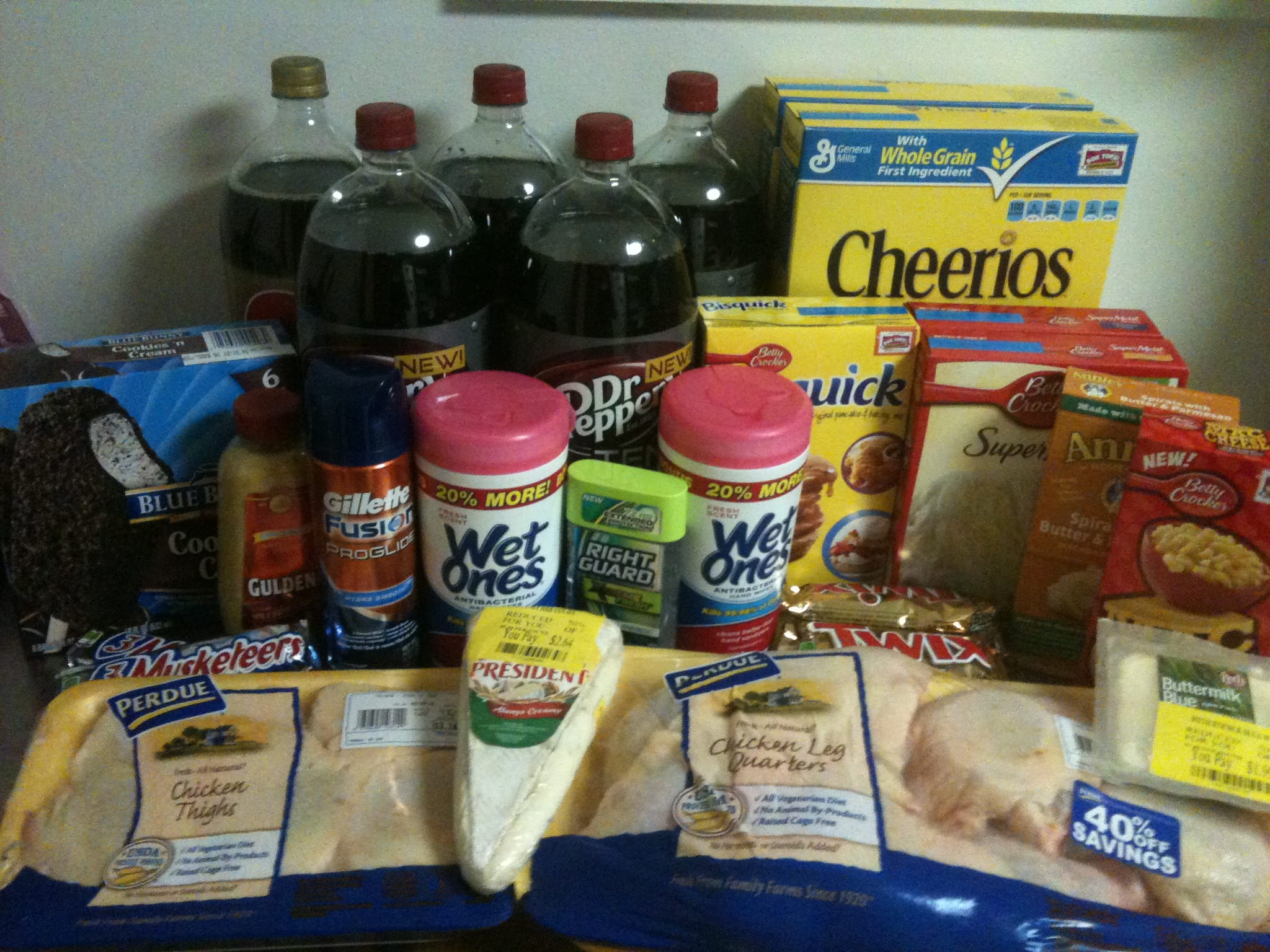
She often returns from grocery runs having spent less than $2 for an entire cart of groceries — and sometimes she has so many coupons that her shopping is free and she even receives cash back at the register!
How does Fenner pull this off, and how can you incorporatecouponing into your regular saving routine? We spoke with Fenner to gather her tips and recommendations.
How This Mom Began Couponing
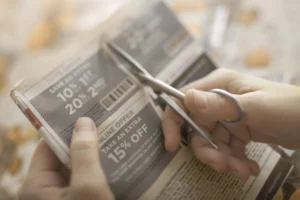
Fenner was raised in acoupon-friendly household. “My mom definitely clipped coupons when I was growing up, so I remember her cutting coupons from the paper as a kid.”
Still, even after seeing her mother coupon, Fenner didn’t heavily coupon as an adult. Then life shifted.
“A couple years after getting married, we were settling into a new state and our own life, and I needed to trim expenses. So I thought back to coupons and explored where that could take me.”

Using Local Blogs to Become a Coupon Pro
Fenner soon discovered couponing had evolvedfrom the simple scissors-and-paper days of her childhood.
“Now coupons are online, there are tons of apps, plus cash-back programs and store-specific coupons. All these tools can be combined to score great bargains.”
So she turned to online sources to sharpen her skills. She discovered coupon blogs focused on nearby stores, and studied them to improve her coupon strategy.
“Local blogs are really useful,” Fenner told us. “I follow one or two bloggers in the Capital District of New York who post ‘match-ups’ for our stores. They outline what’s in the sales circular, which items are worth buying, and they do the groundwork by pairing coupons with sales and pointing out which apps might offer extra savings.”
Fenner frequently checks A Super Savvy Saver Deal, a Capital region couponing blog that sometimes features her hauls, detailing the coupons she applied and the discounts she scored. On Kate’s ShopRite TRIPLES Trip, for instance, Fenner explained how she used three 50-cent coupons and added a 75-cent e-coupon to net 75 cents in profit on Larabars.
If you want to become adept at couponing, Fenner recommends finding local couponing blogs to follow. She suggests new couponers use these sites to decide what to buy based on curated lists of high-value coupons and coupon-plus-sale combinations.
She also recommends making couponing part of your daily routine. Fenner spends about 15 minutes each day checking coupons and blogs to spot the best deals and slot them into her shopping plan.

Plan to Maximize Savings
Fenner emphasizes the value of planning your grocery trips: “Planning matters. Decide what you’ll buy before you go.”
A key part of her planning is stocking up on pantry staples ahead of time, which allows her to shop opportunistically for the best prices. She knows that if she waits until she needs cereal, she’ll be at the mercy of the store’s current price.
“If you put yourself in that spot, you’ll be restricted by what’s on sale that day and what’s available,” she explains.
But when Fenner plans, she watches for the best coupons on cereal and other basics. She buys items when the cost is favorable, not when the shelf is bare.
This planning becomes even more crucial around what Fenner calls a major coupon event. “Our store, ShopRite, recently ran a triple coupon promotion, so instead of doubling coupons like many stores do, they triple most coupon values.”
When Fenner learns a big coupon event is coming,she maps outexactly what to purchase to maximize savings. It takes extra time to organize these trips, but that’s precisely how she achieves those incredible grocery hauls.
Use Coupons to Buy Nutritious Foods
Fenner doesn’t strictly meal plan, but she lets sales influence her meal decisions. This includes using coupon savings to offset items that rarely discount.
“You don’t usually see coupons for apples,” Fenner said, “but if you’re saving money elsewhere, you might be more willing to buy produce.”
Many people hesitate to start couponing because they don’t find coupons for the foods they prefer. What they often miss is they can apply coupon gains to fund the rest of their grocery basket. This holds true for small coupons as well as large ones; every bit of savings helps.
“Once you learn couponing, you’ll notice that a 50-cent coupon can become a dollar at your grocery store, potentially, and combined with sales you can even make a small profit, which helps cover produce or meat.”
We’ll leave you with Fenner’s final thought: “Couponing can be as simple or as involved as you want it to be. It doesn’t have to be intimidating, and it’s an excellent way to cut costs. You might end up saving more than you expect.”
So find your neighborhood coupon blogs, plan your shopping trips, explore smart grocery shopping strategies and see if you can return home with a cartload of free groceries.
Nicole Harris is a freelance writer who covers personal finance and everyday stories. Her work has appeared in The Billfold, The Toast, Yearbook Office, The Write Life and Boing Boing.